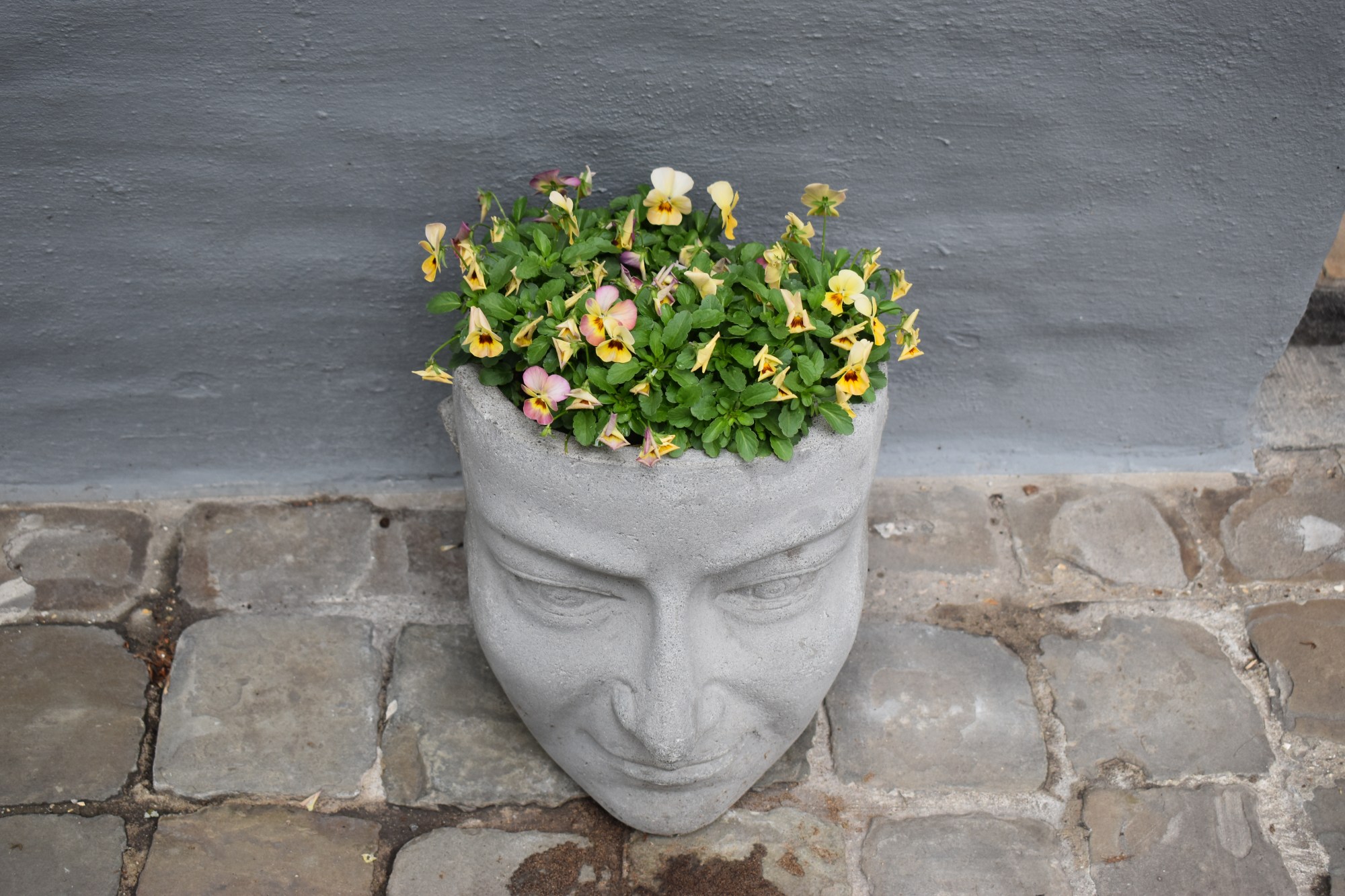
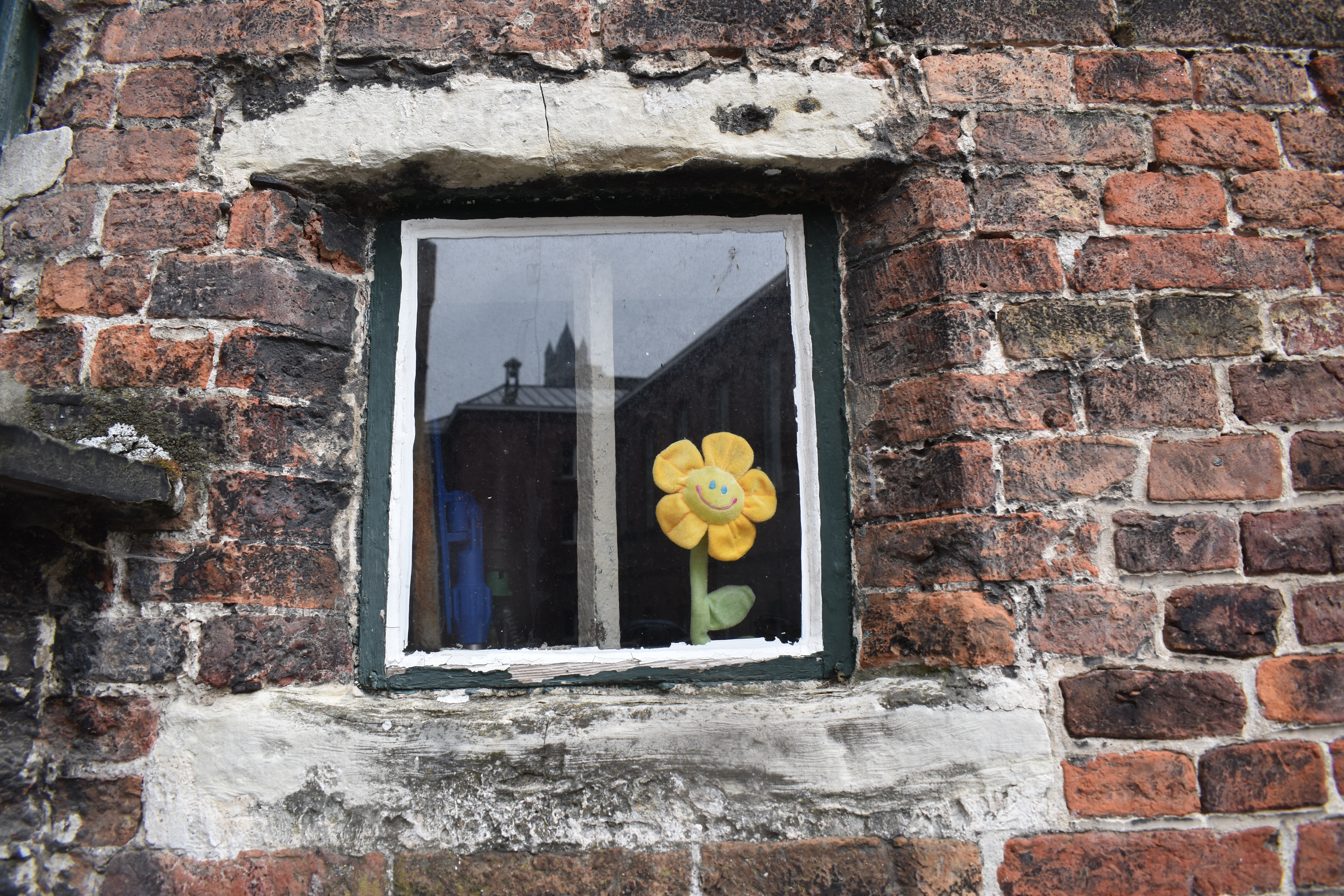
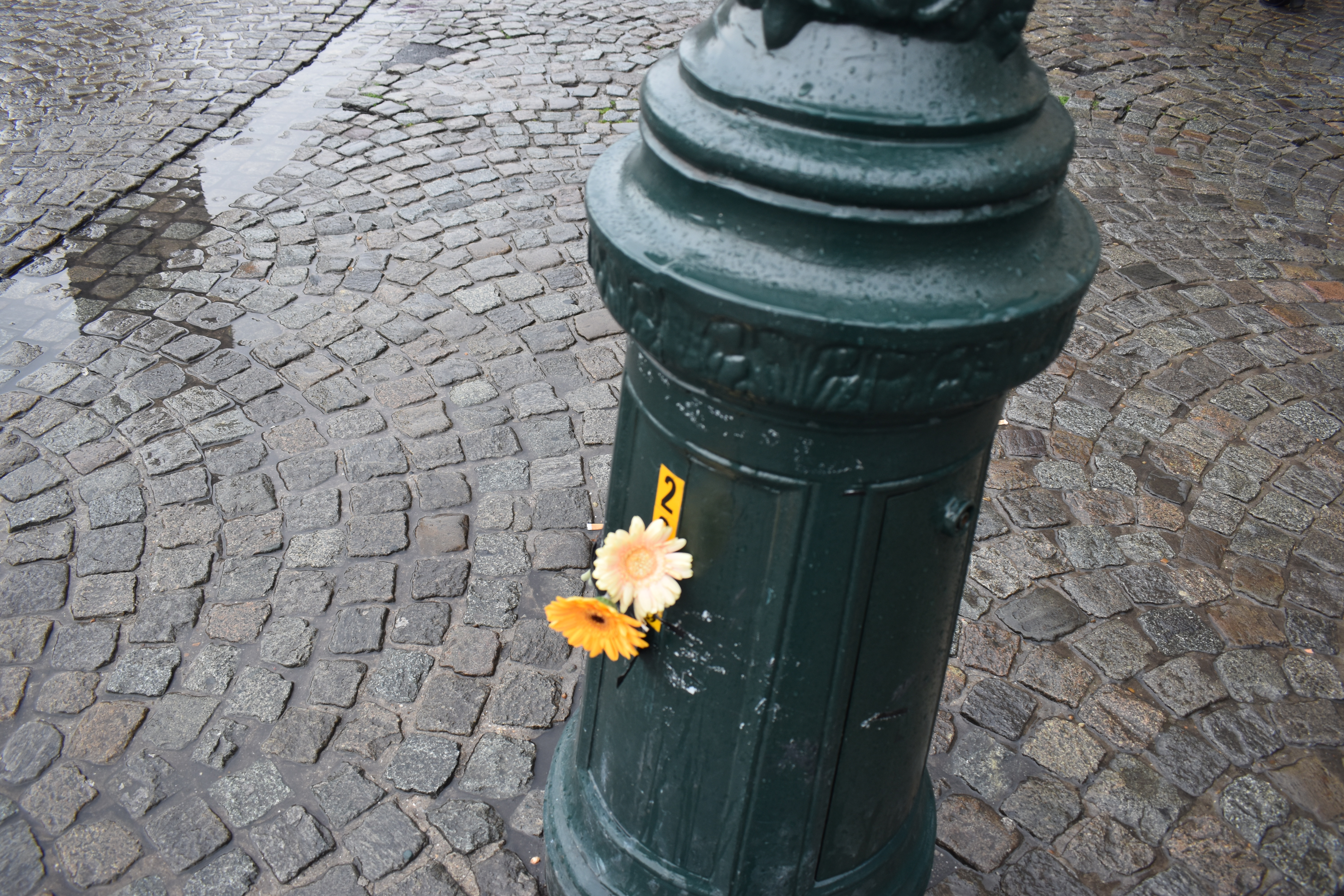
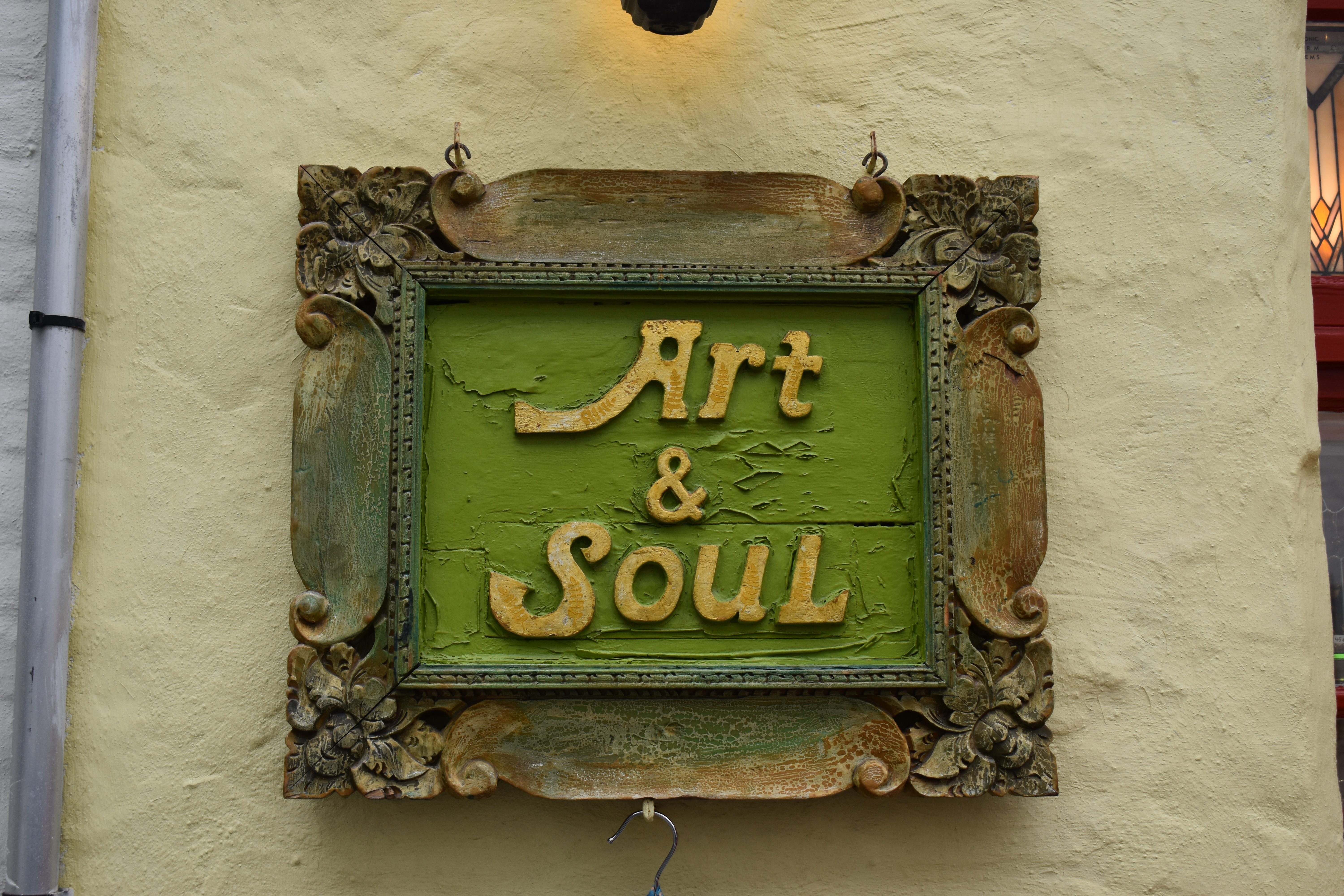
So, sightseeing is all very well, especially when there’s so much to see that the eyes can’t take it all in. It can get overwhelming and one runs out of gasps of awe and admiration. The ‘WHOAs’ and the ‘WOWs’ start to feel overused, the camera shutter seems to be clicking incessantly and yet there’s always something that simply HAS to be photographed. At times like these, it’s best to just take the eyes off the monuments and the scenery, to look for the smaller, more unexpected objects tucked away in corners, which also deserve appreciation or even a laugh.
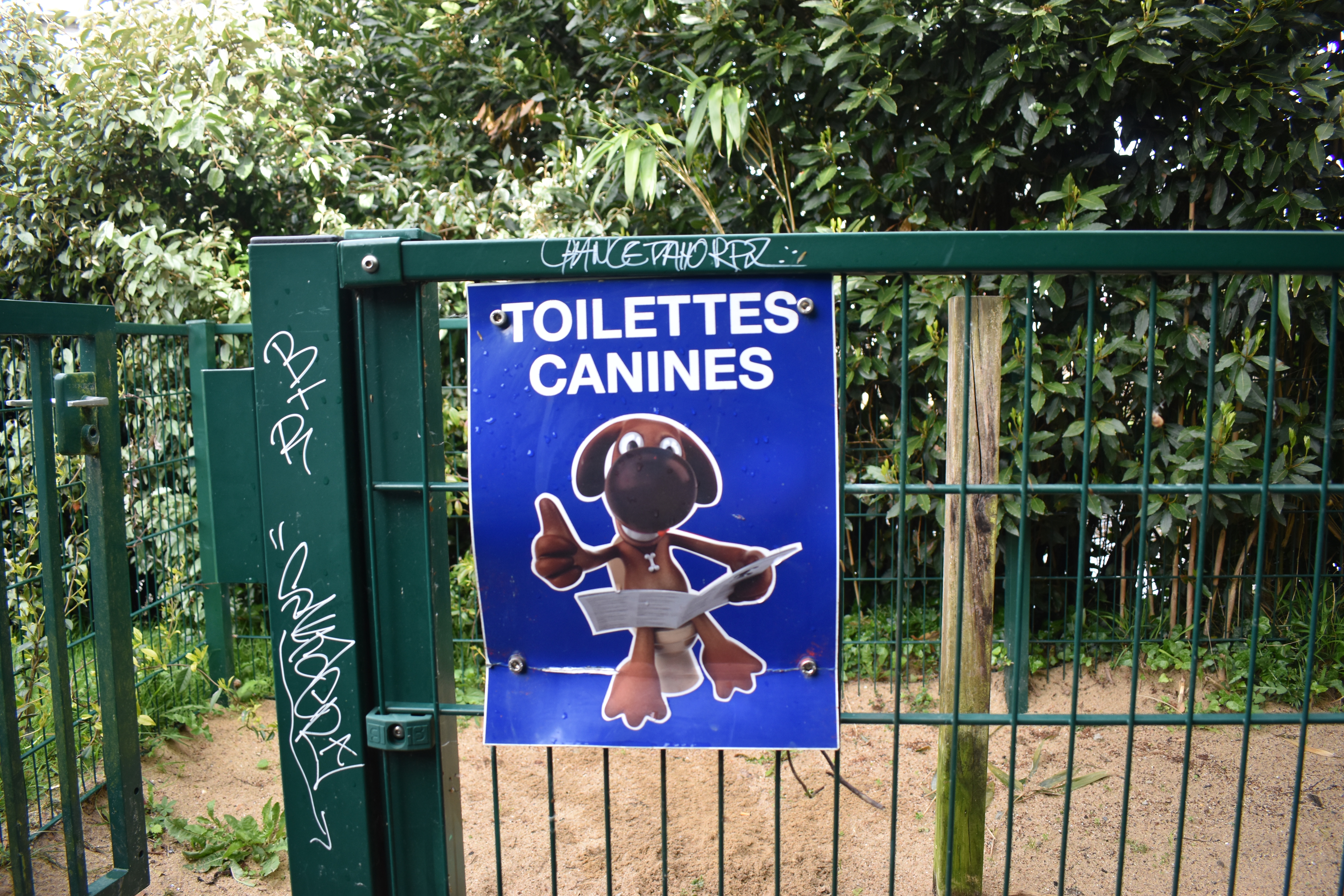
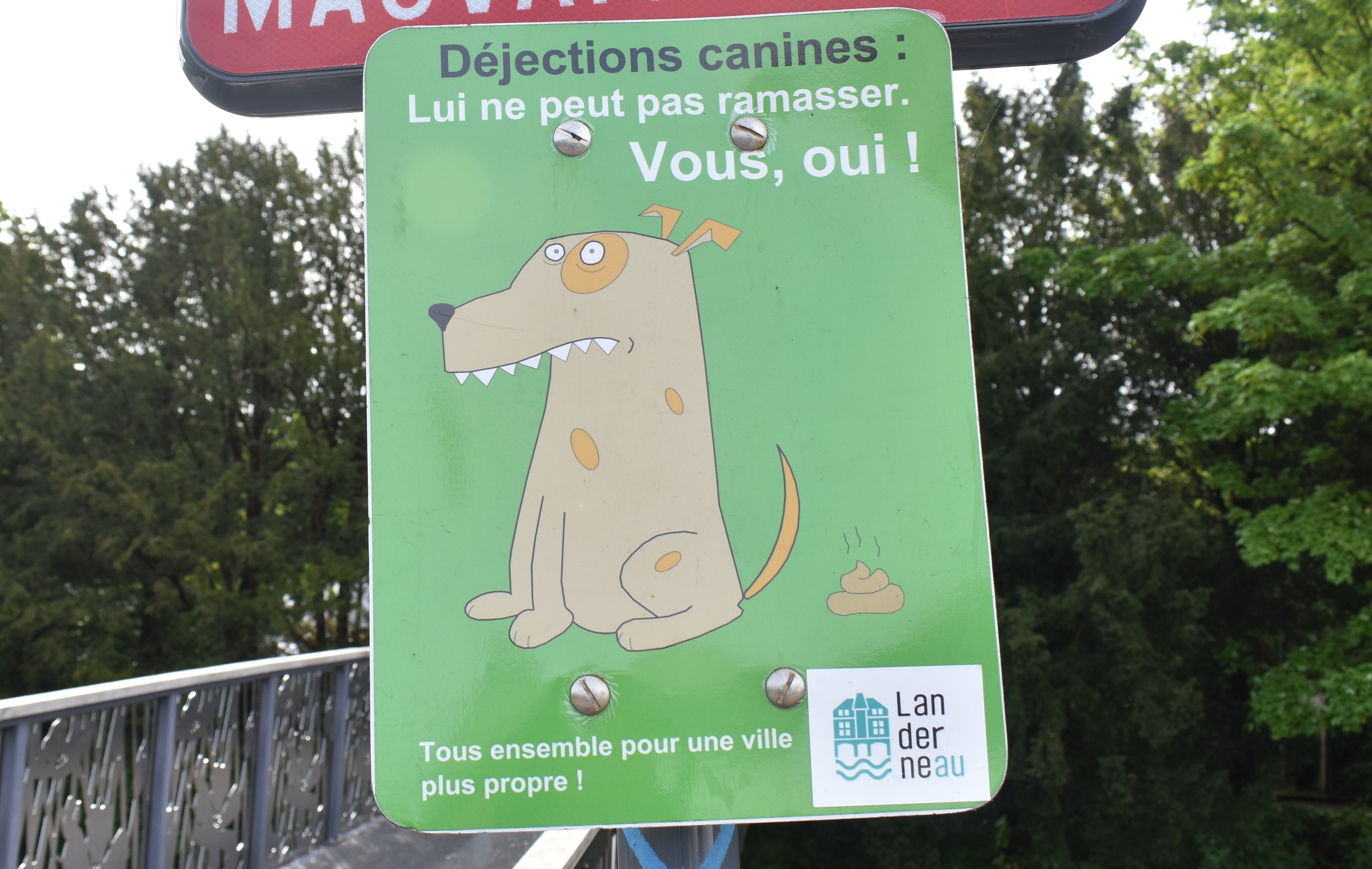
Pets are a very big deal in most cities. And since people like to take their pets out in public places, it is important that these places be made pet-friendly.
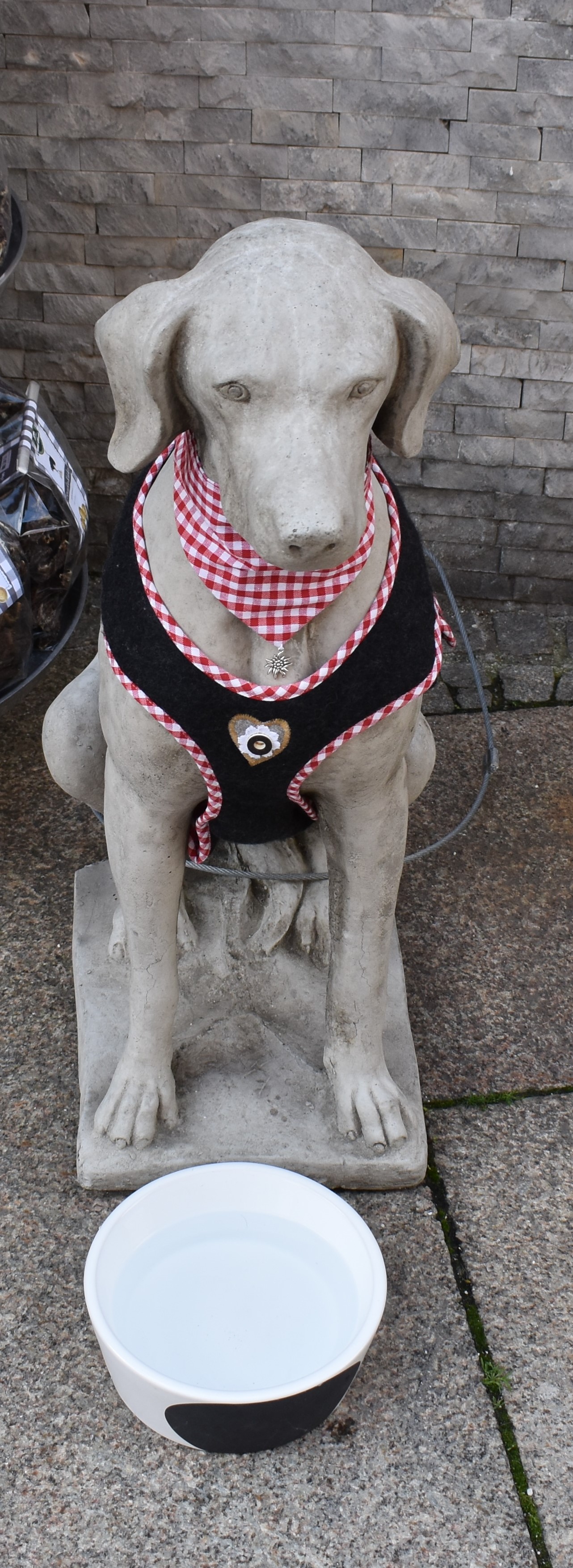
I remember passing a similar bowl of water on the side of another road somewhere else. Only, instead of a canine there was a handwritten poster that helpfully said ‘Pour les chiens qui peuvent lire’ or ‘For dogs that can read.’ Full marks for a whacky sense of humour!
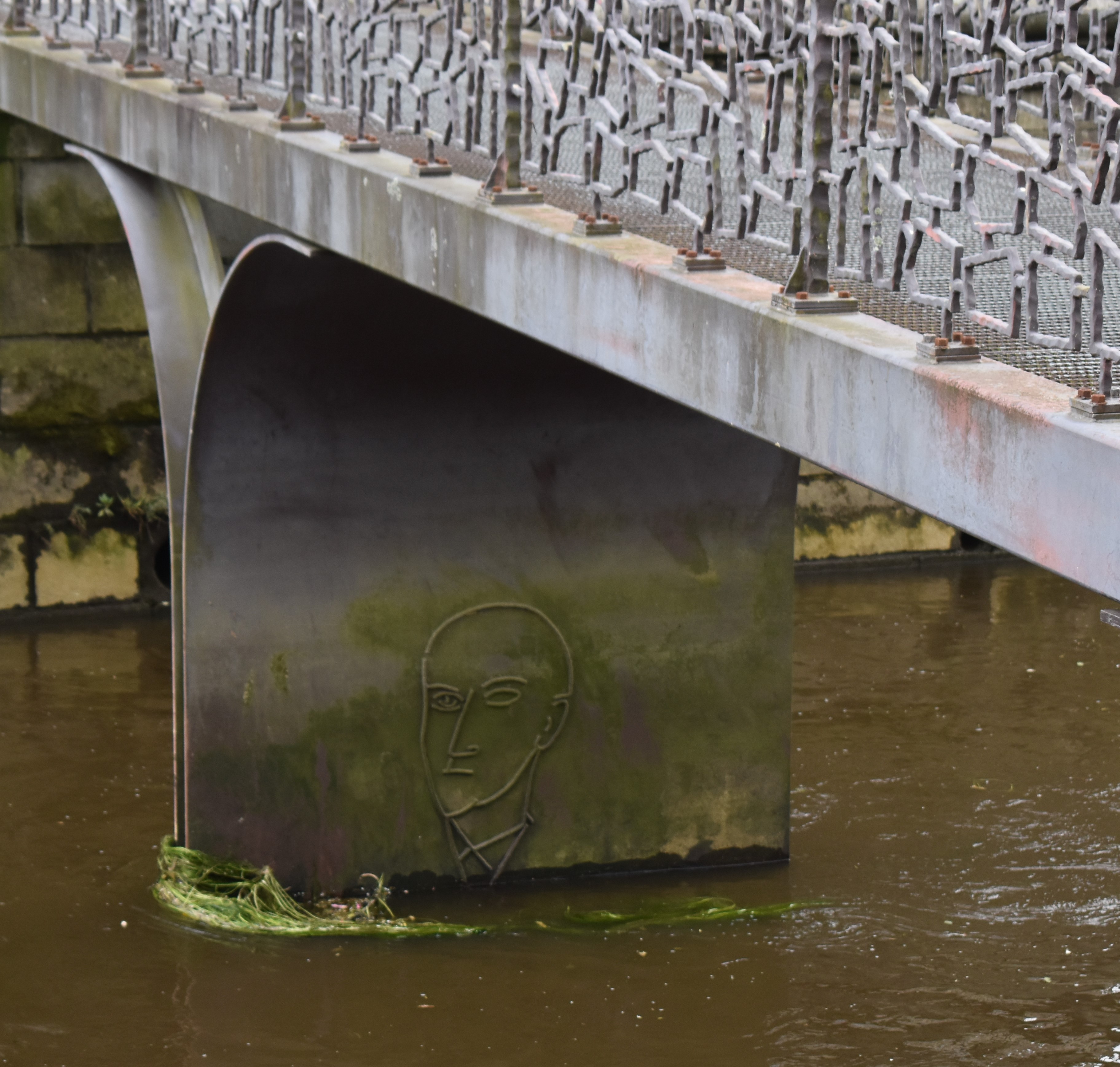
Take a look at this face embossed on one of the supports of a footbridge in Quimper, a small town in Brittany. Max Jacob was born in Quimper where he also grew up. However, his work was neither recognised nor appreciated in his hometown, during his lifetime. Jewish by birth, he was arrested by the Gestapo during the occupation of France and sent to an internment camp from where he would be taken to Auschwitz. But he died of pneumonia in the camp itself.
The river Odet flows through the city and is crossed by many bridges and foot over-bridges, all of which have flowers growing alongside. This is the only bridge without flowers, to symbolise his tragic death in the internment camp. On the ramps are extracts from his works. The Odet flows directly into the sea and its levels rise and fall with the tides. Max Jacob’s face can be seen only at low tide. On a less serious note, if one looks closely, one of his eyes is closed, as if to wink at the viewer who has caught sight of his face.
To all those who like to travel with a checklist in hand, or in their heads, ticking off every site they visit; I would like to say: slow down, step back and let your eyes wander. There are wondrous things to see and not all of them are mentioned in The Lonely Planet or on TripAdvisor. But they will delight you more than the magnificence of the monuments or the beauty of the countryside that you’re in.
And who knows, you may even see something that appeals to your very soul, the memory of which will stay with you and maybe lighten up a gloomy day.
 butterfliesonmymindblog