Bruges is not just about chocolates, confectionery and picturesque houses lining narrow, quaint looking streets. It is also home to one of Europe’s oldest surviving hospital buildings. The Old St. John’s Hospital or Oud Sint-Janshospitaal was founded in the 12th century and became a place where sick pilgrims and travelers were cared for. It later expanded into a monastery and a convent. The complex now houses a museum and an exhibition centre but it is a quiet evocative place just the same.
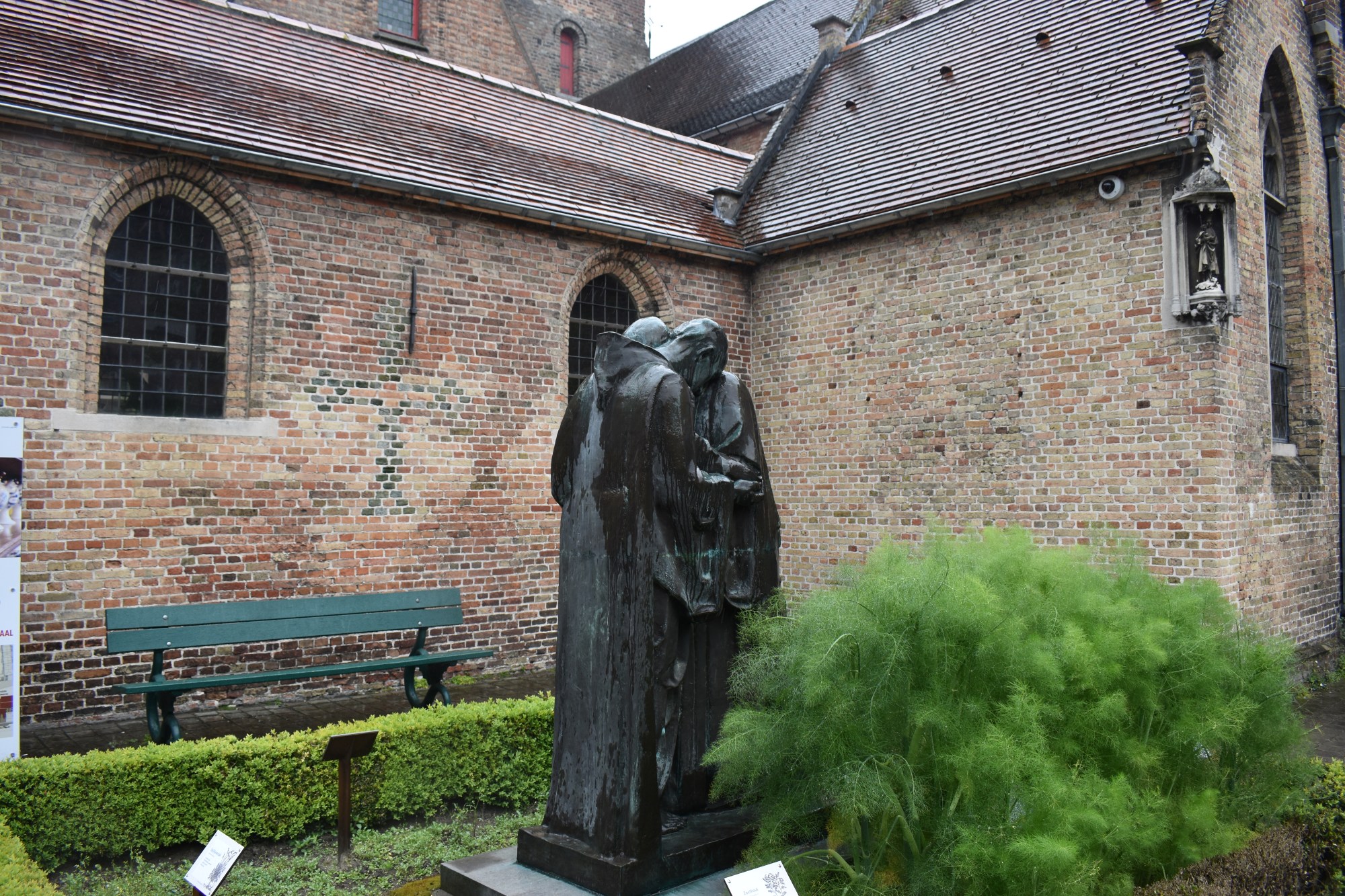
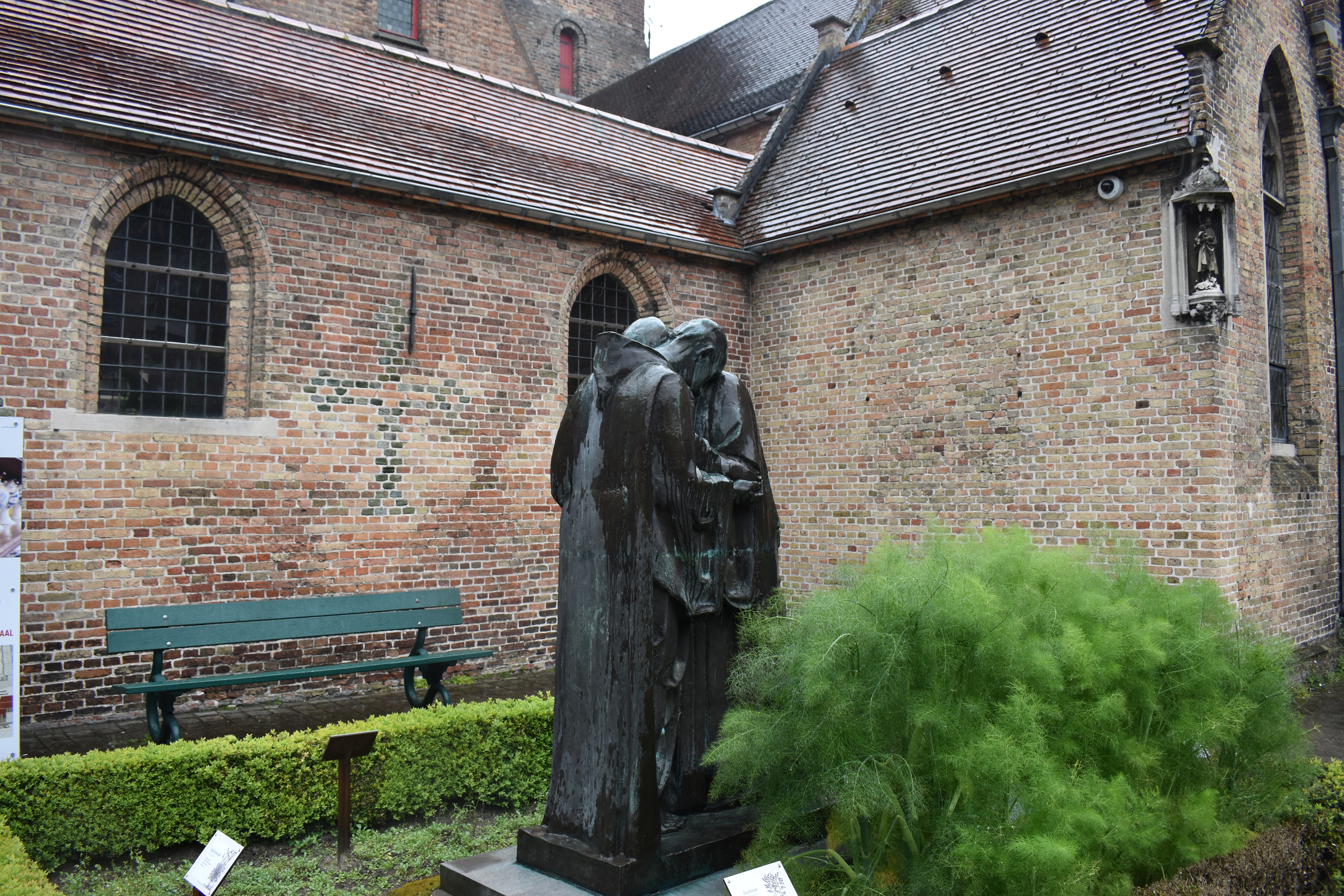
In the courtyard, close to the entrance is a statue of two monks; one young and the other old, greeting each other with the ‘Kiss of Peace’ It was erected in the courtyard after the end of the second World War, as a symbol of peace. And there it stands, two monks carved in stone, in what used the home of real monks for hundreds of years, to celebrate the end of a 20th century war!

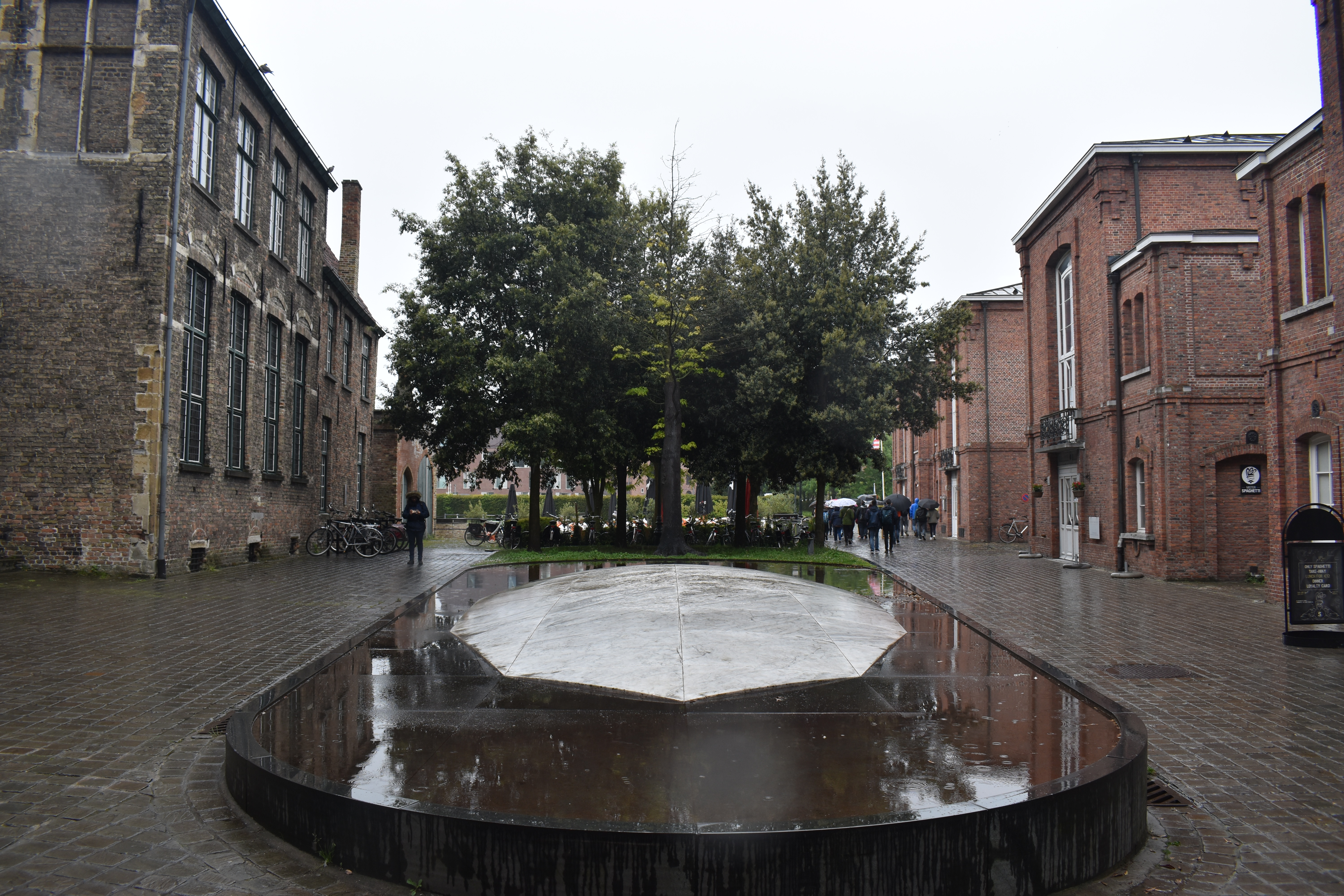
In the same complex is a large, gleaming plaque in stone, placed there to honour the sisters who had, centuries ago, dedicated their lives to caring for the sick and the dying.
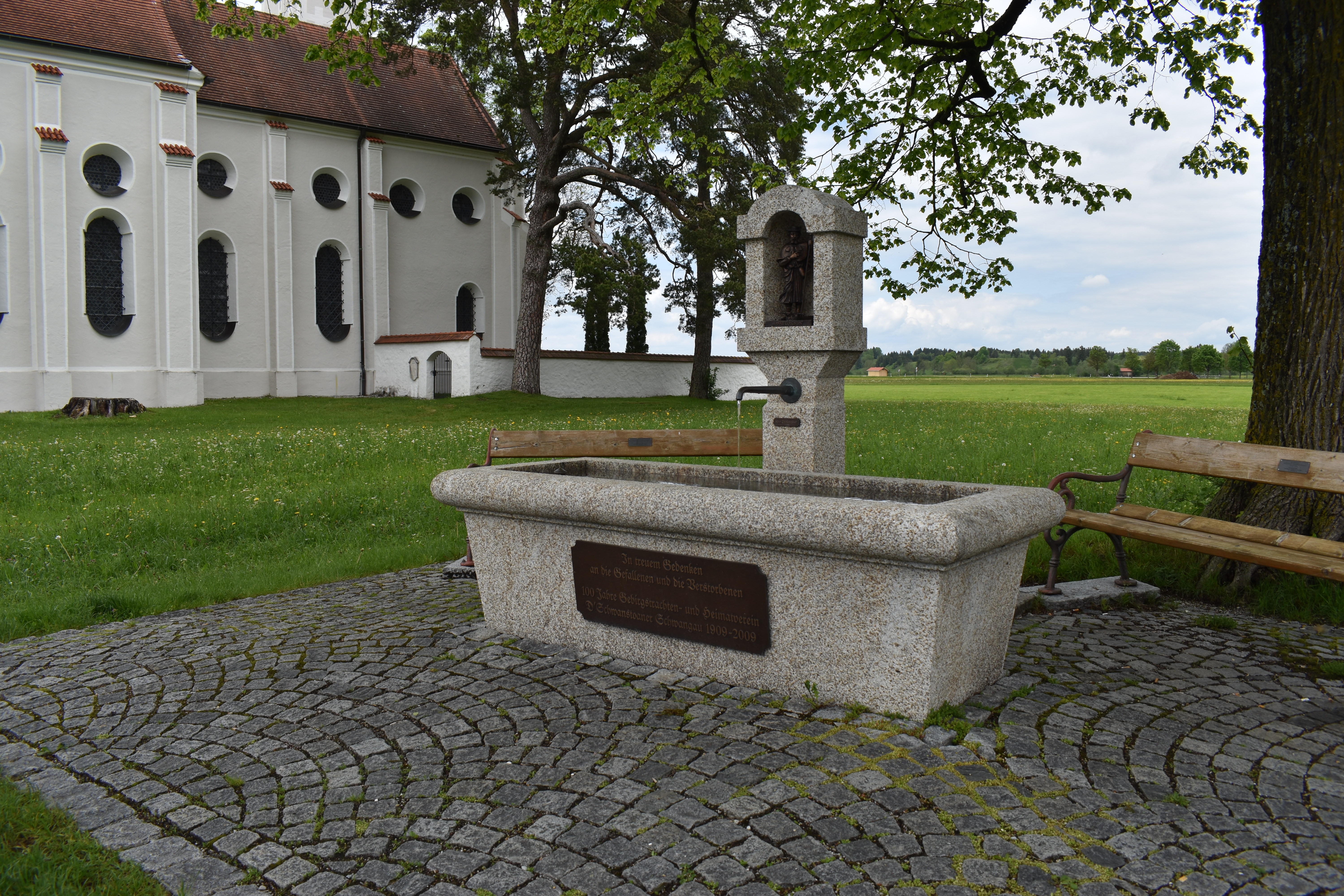
Another interesting sculpture was near the Pilgrimage Church of St. Coloman. It’s a little chapel set amidst green meadows at the foothills of the Alps and is named after an Irish pilgrim who stopped and rested here en route to the Holy Land. He certainly picked a picturesque spot to take a break. As is often the case, he was later mistaken as a spy, tortured and hanged somewhere in Vienna. But miracles were noticed at his grave, which made the locals realize that he was truly a holy man and they proclaimed him to be the patron saint of Austria.

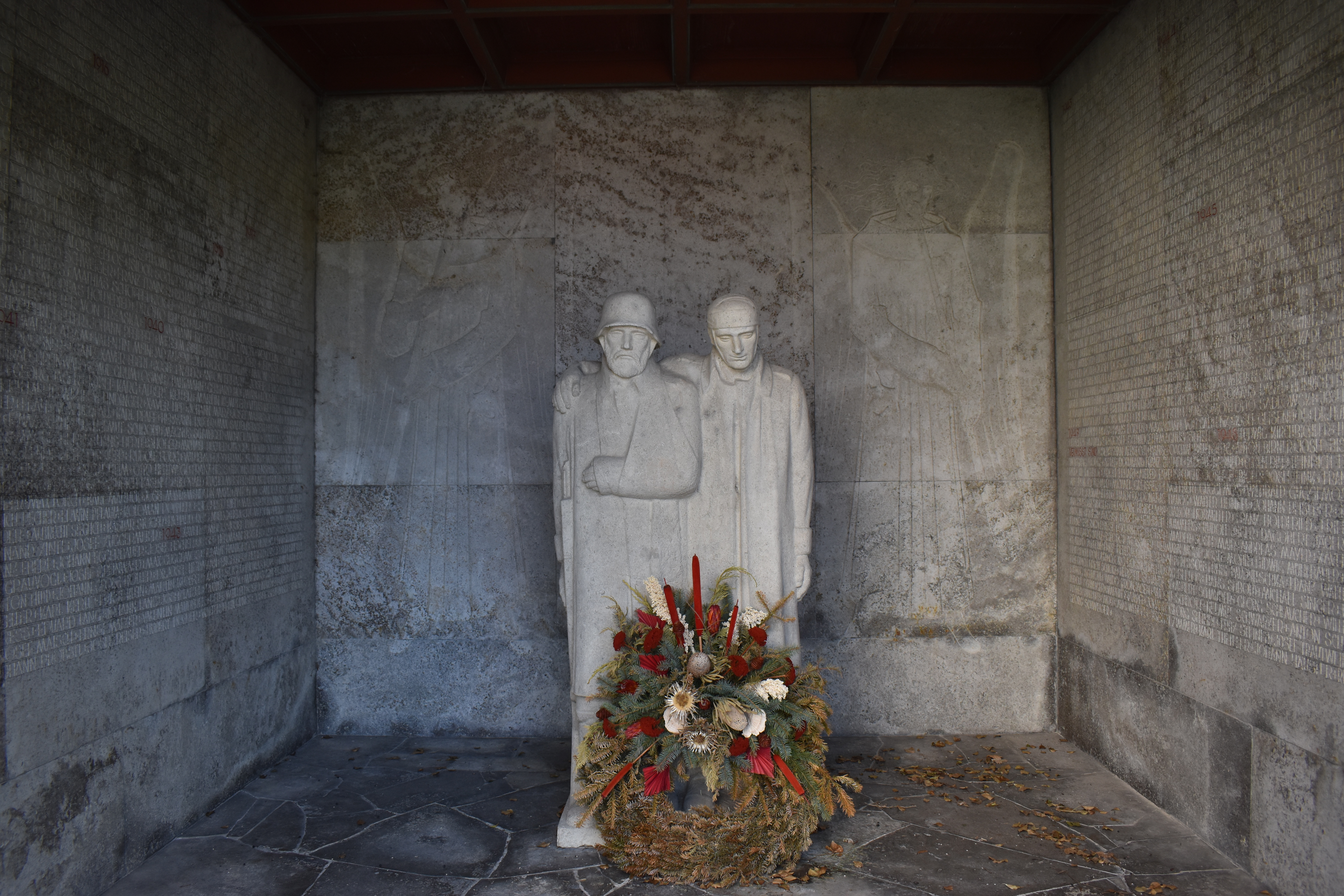
For us, the World Wars are mostly just an interesting chapter in history books or the subject of Hollywood based war movies. It’s only during visits to European countries ( Allied or Axis!) that one sees the impact left on them by these two wars. Like this statue seen next to another beautiful church in the Alps. The shrine had the names of all those from the town who had died in the war (and there were many) inscribed on the walls. It was a grim and tragic reminder of how war can ravage a country.
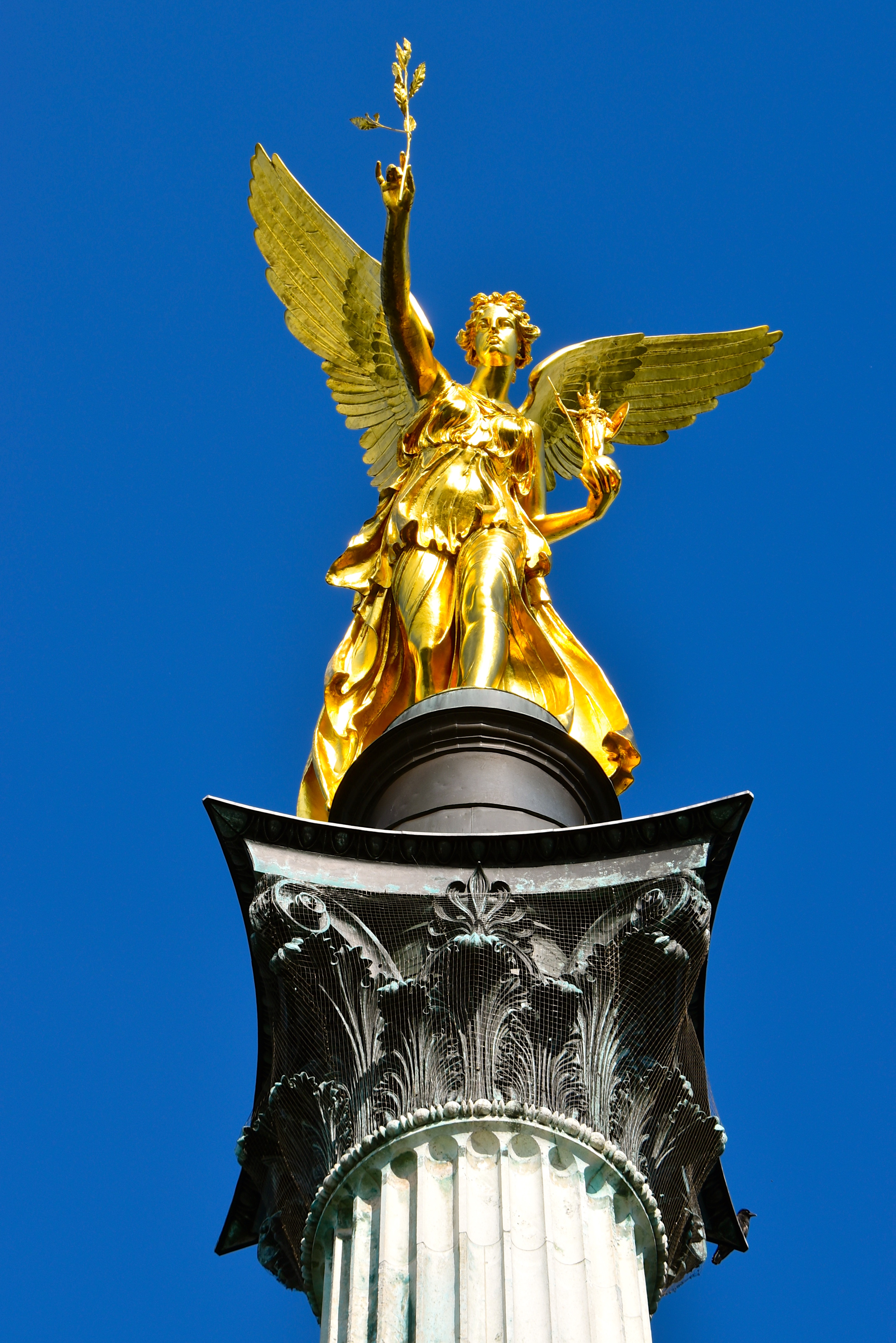
Another post-war monument, this one going a little further back in time is the Angel of Peace in Munich (how many wars took place in this continent?!) This gilded angel is set atop a column 38 metres high in the Maximillian Park. The Angel of Peace commemorates 25 years of no-wars, after the Franco-German wars of 1870- 71.

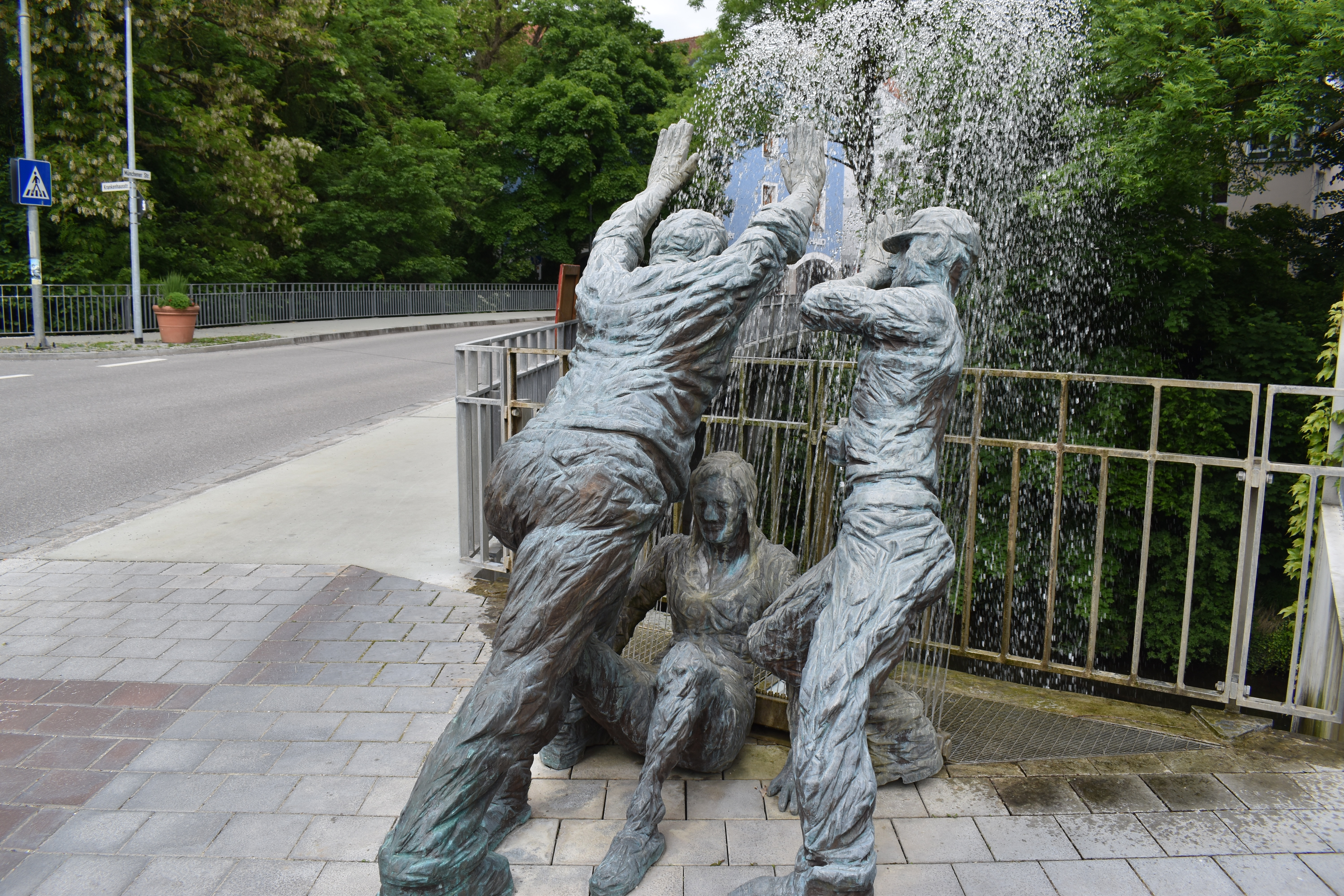
On a lighter note, there was this sculpture in a small town named Erding. I found it interesting, even more so because there was no information about it. One was free to interpret it any which way!

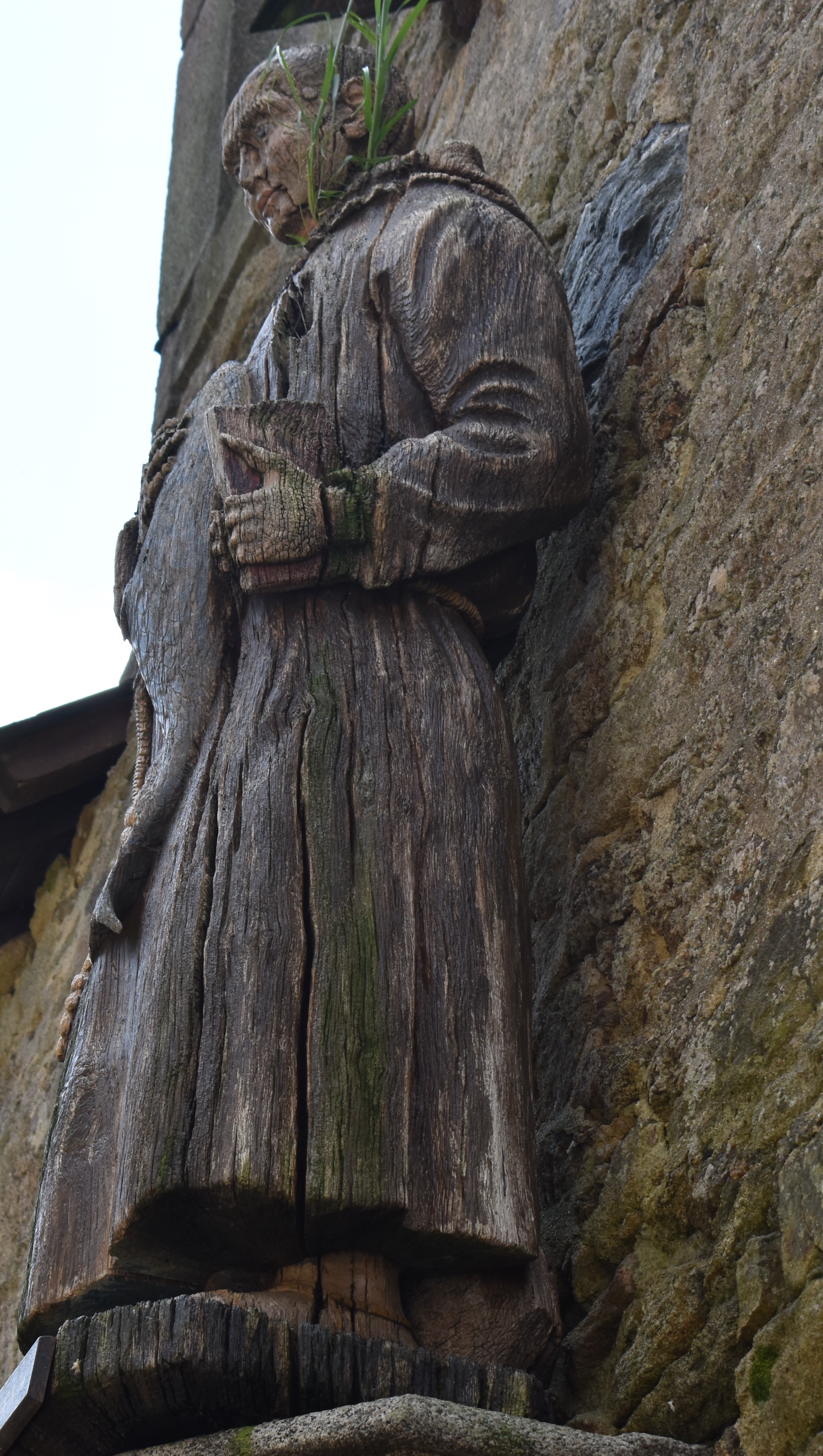
Let me just end with this simple wooden carving of a monk or priest that I saw at a lovely little port in Bretagne.
 butterfliesonmymindblog