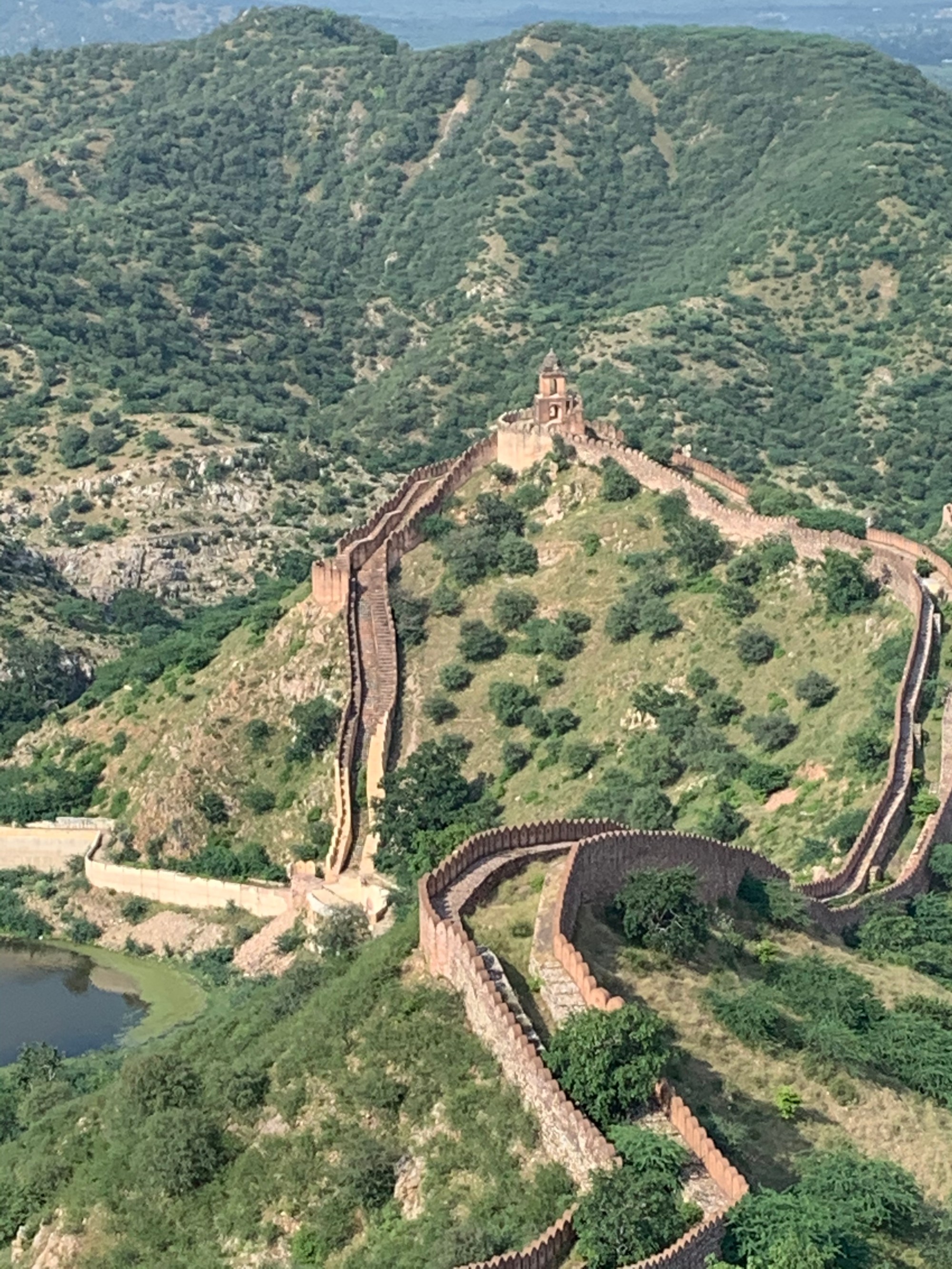

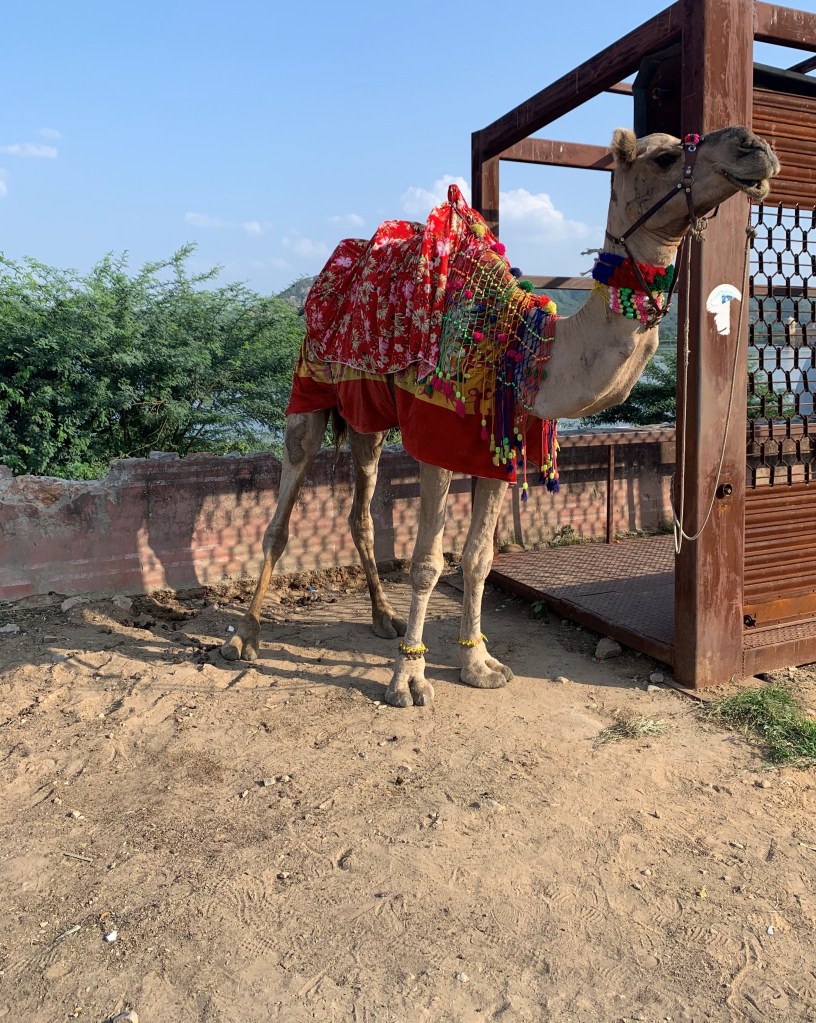
Think Rajasthan and the mind immediately conjures up images of sand dunes in the desert, camels, colourful dancers, men sporting turbans and bushy moustaches- the usual stereotypes. While stereotypes are based on the truth, it is also a fact that they deal largely in superficialities. Another damning stereotype of Rajasthan is the typical image of a BIMARU state – overpopulated, underdeveloped, regressive; why would anyone go there for a holiday?!
Well, Rajasthan is all of this, none of it and so much more besides. My visit was an eye-opener in that it busted many cliched ideas that I had been carrying around in my mind as well. Briefly, we visited the region of Mewar which is part of the Aravalli mountain range. So, mountains, rivers, forests…get it?! The desert is at the other end of Rajasthan- the Marwar region. That’s where the cliches come from.

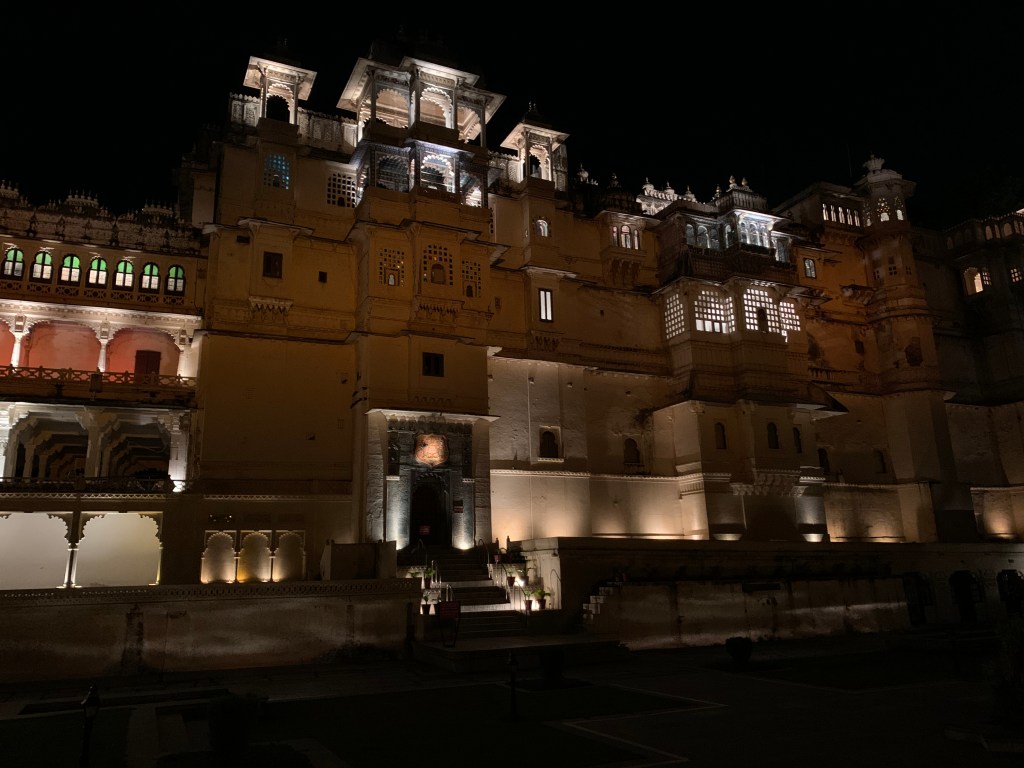
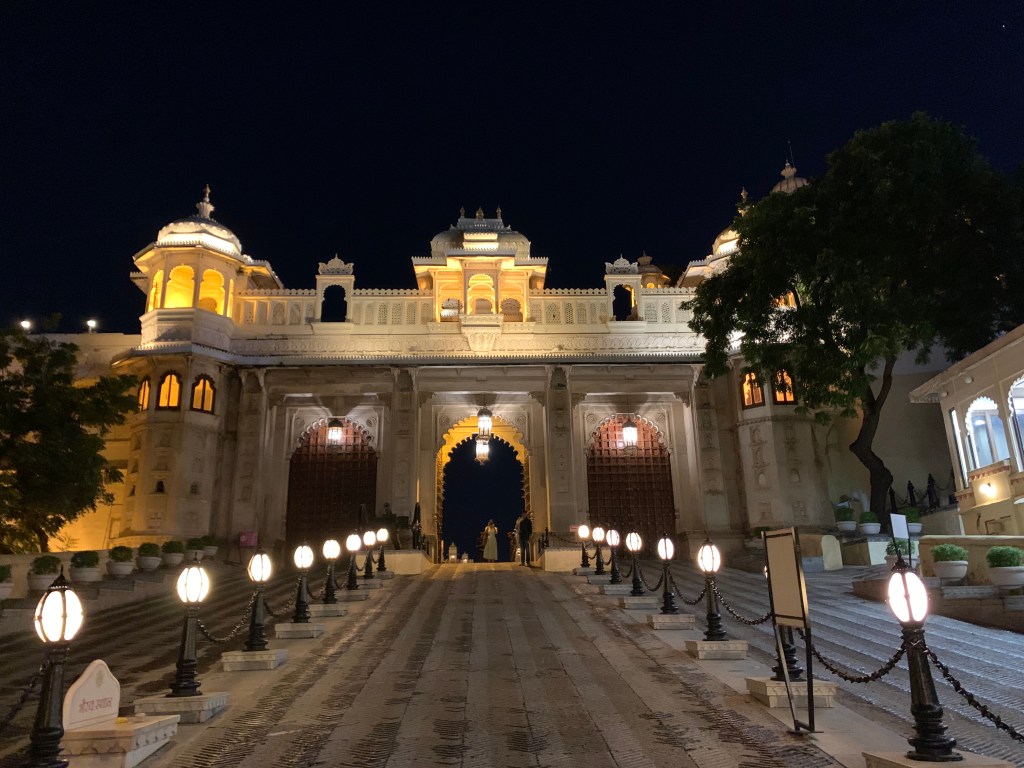
Right, so that’s one stereotype busted. Moving on… there’s no dearth of literature and media that extolls the rich, glorious history of the Rajputs, their valour and chivalry, the power they wielded. So much so that it had become impossible to know where to draw the line between fact and fiction. But when I saw the grandeur of the City Palace of Udaipur and listened to its history, I was awed. Not just by its beauty but also by the centuries of history to which it has been a witness.
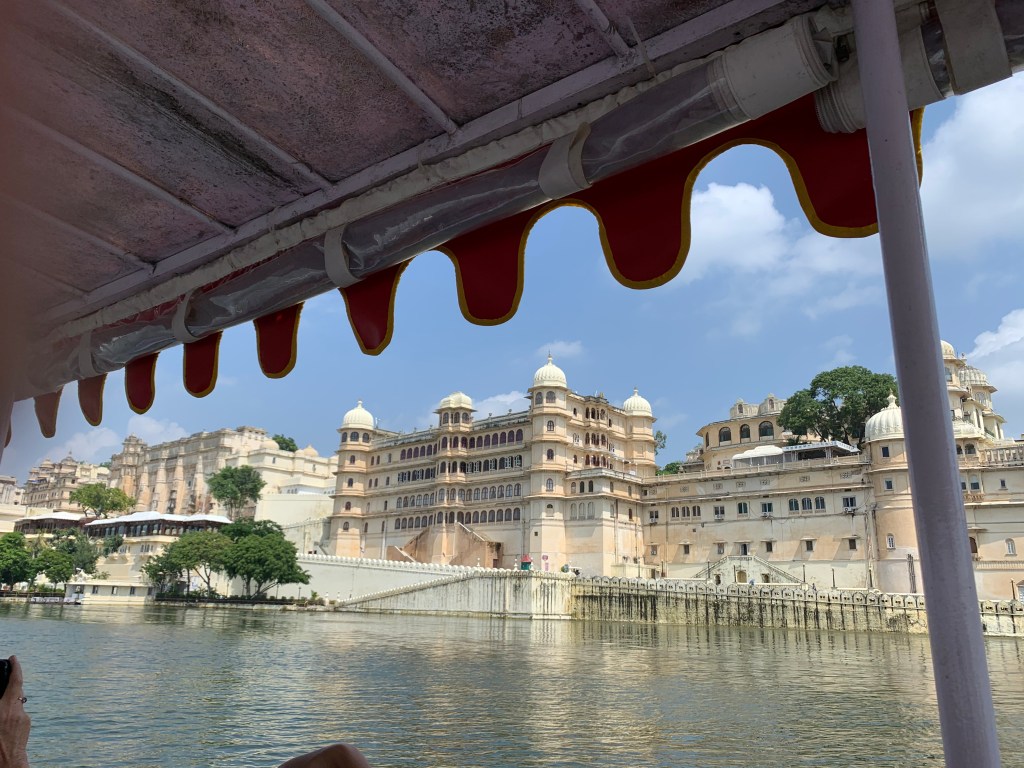
If the City Palace at Udaipur was all stately grandeur and elegance, Amer Fort at Jaipur was formidable in its size and its sweeping ramparts that extended over several kilometres of the hills which surrounded it.
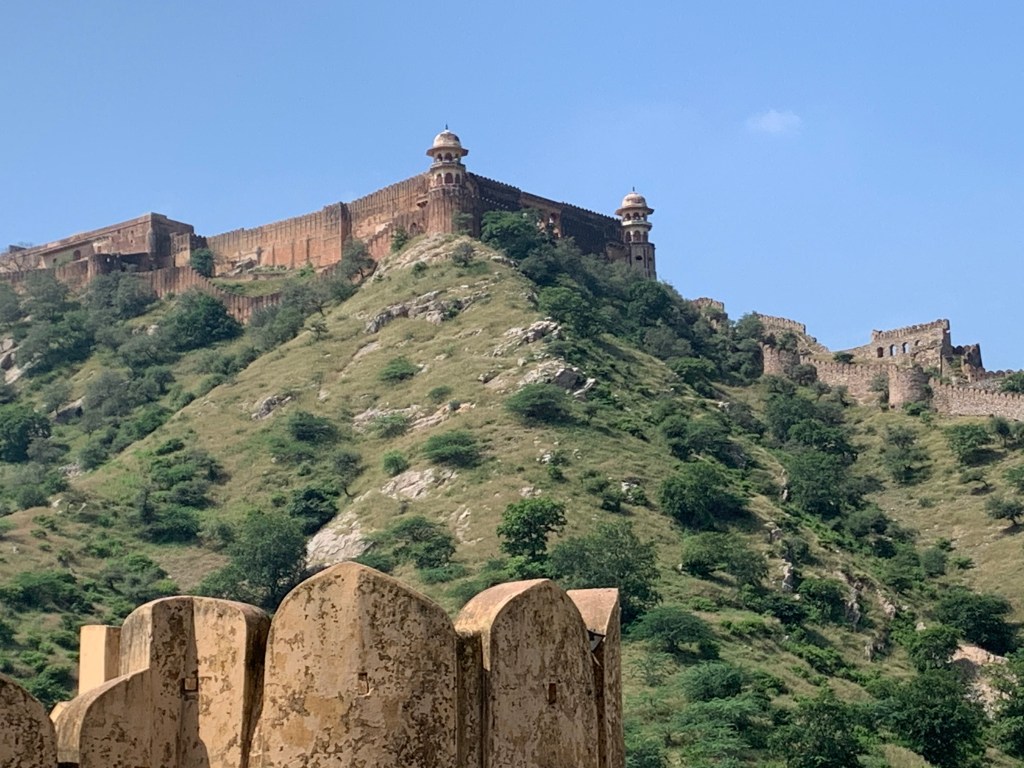

Each edifice is replete with tales of warriors, their queens, the battles they fought, the lives they led and the legends they created. Wandering through the alleys and gazing from the balconies made one want to believe every story, every glorious incident.
As one of the guides informed us- a Maharaja is a King, but a Maharana is a Warrior King, and thus ranks higher. The Rajput rulers were all bestowed with the title of Maharana. And the most famous of them all -Maharana Pratap is revered just as much as his legendary horse Chetak. The name of the horse has been taken as many times as that of his master and the Chetak Circle in Udaipur has a statue of just the horse, he is that highly thought of.
A visit to Rajasthan is like stepping into the pages of a beautifully illustrated history book with a gripping narrative, one that stirs up your imagination and reconnects you to the past in a way that most history text books could never succeed in doing.
 butterfliesonmymindblog