
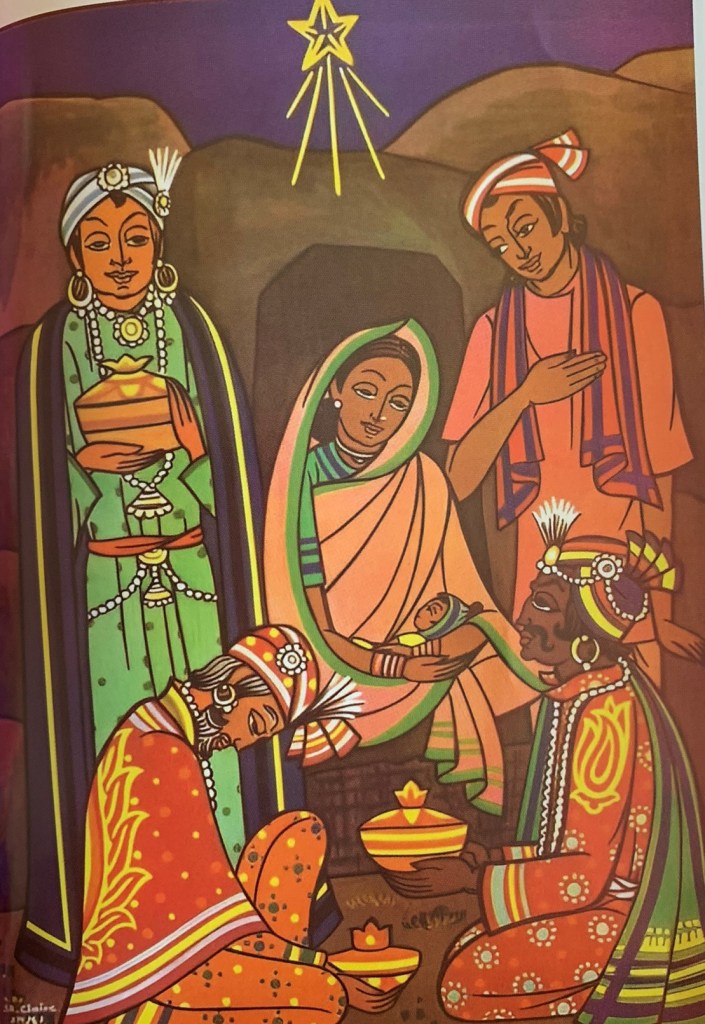
I have just begun to read a very interesting book titled ‘Indian Christmas’ which is a compilation of different accounts about how Christmas was and is celebrated across India. The foreword itself triggered off so many memories for me that after a point I couldn’t tell if I was reading what another person had written or just reliving several of my memories of Christmases past. I’m not even halfway through this lovely book but so many memories have welled up in my mind that I’ve decided to take a break from reading and to quickly write some of them down before they disappear into the misty past.
It is a truth universally acknowledged that a festival is mostly about food. And when one is young- a festival is Only about food. Christmas (going by the books we read as children) was all about roast turkey, gingerbread, puddings, mince pies and of course- the Plum Cake. These were things we could only imagine, just like the holly, mistletoe, snow and fireplaces. So, although we tried our best to recreate the snow by dotting the Christmas tree with clumps of cotton, the holly with green streamers and tinsel- when it came to foodstuffs; our favourites were always the traditional gujiya, namak pare and shakkar pare.
Some of my best memories of Christmases past are about how we (my parents and I) used to sit around for hours, preparing these goodies. Because, in those days, Christmas was also about having a whole lot of friends coming over and they had to be served all these home-made delicacies.
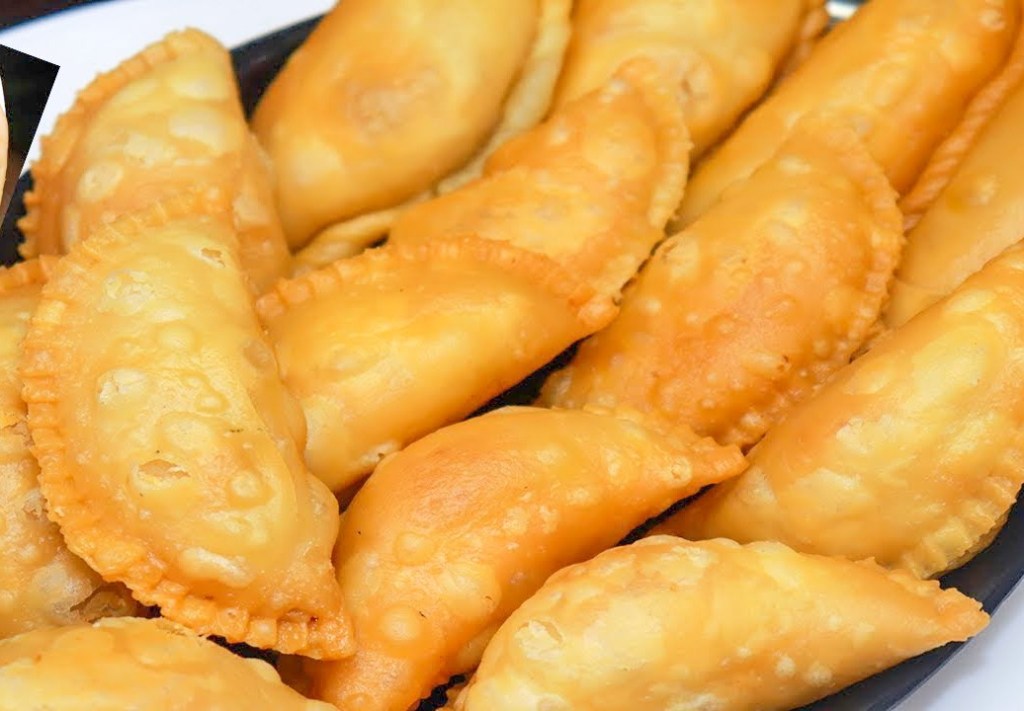
I’ll begin with my favourite- the mawa gujiya. And No, NO…the filling for a real gujiya has to be mawa, nuts and sugar. Not dry grated coconut or freshly grated coconut with nuts and sugar. Just…NO!! Because nothing looks, smells or tastes as good as mawa cooked with nuts, raisins and sugar till it resembles a gooey sludge; which is then spooned onto these little discs of maida which are in turn sealed and deep fried. As a child, my role in this entire exercise was to keep peering when the mawa was being cooked and then help in the spooning and sealing with the special jagged-edged ‘cutter’ so that they looked like plump crescents. Then I would lay them all out in neat rows, as they awaited their turn to be slid into hot oil; from which they would emerge all crisp and lightly browned. After which they would be kept aside to be cooled and later stored in large containers- for Christmas Day. I was allowed to taste a few and my favourite way to eat them was to first bite off the two outer ends where the filling was the least. And then nibble my way to the bulging, yummy centre.
The ‘namak pare’ and ‘shakkar pare’ came next on the list. One savoury and the other sweet- making them was a two if not three person job. The person kneading the dough needed strong arms and a hefty punch to make a smooth, firm mixture. Next was the turn of the person rolling out the dough into large, round and even discs. This person was also expected to cut the discs into long strips which were then sliced into diamond shaped, bite-sized portions. A steady hand and an eye for geometry and symmetry was needed here. These were then laid out on newspaper sheets to dry and harden a little (I usually handled this last bit) so that they would fry faster.
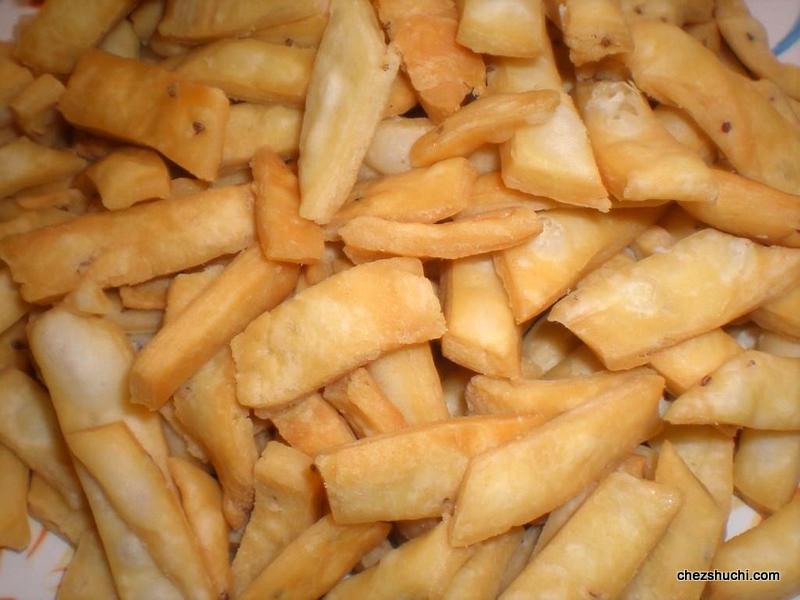
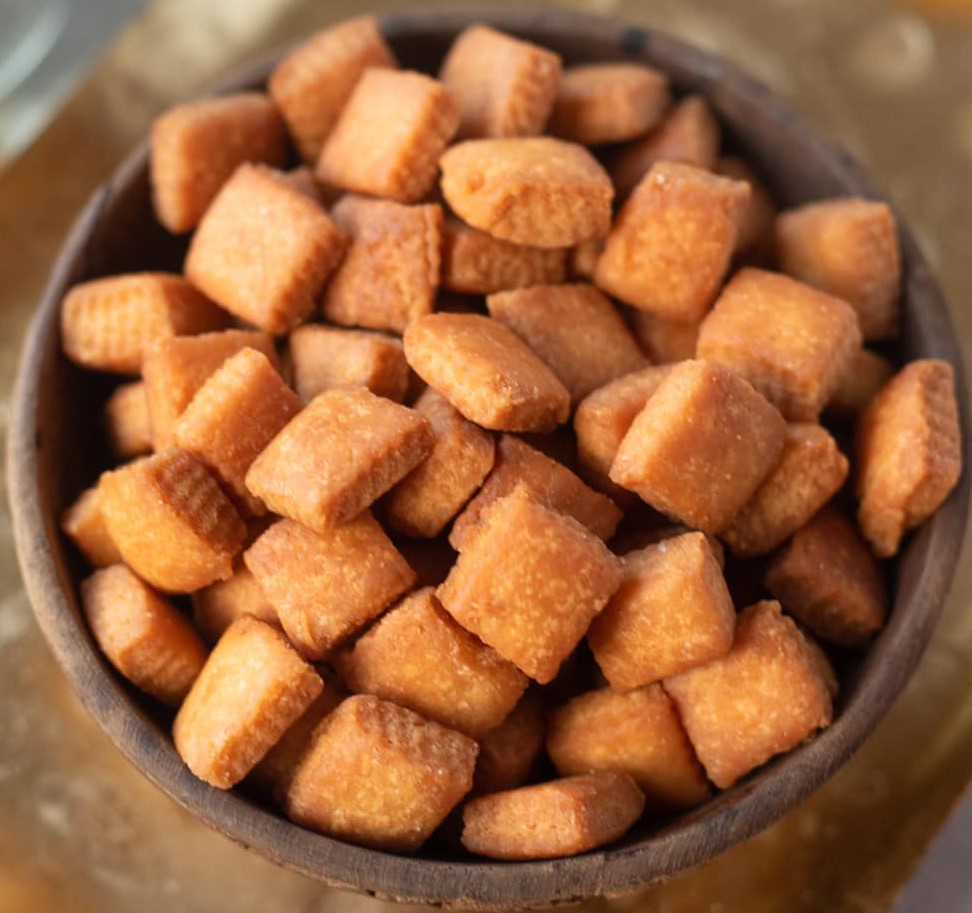
The kitchen would have that faint, lingering aroma that deep-frying ‘maida’ leaves behind and the sideboard would be lined with containers full of these delectable foods all waiting to be served on Christmas Day. I remember lifting the lids just to eye them longingly and maybe sneak in a nibble or two.
There was of course the Christmas staple- plum cake. And a few other cakes as well- with tutti-frutti, or cocoa or walnuts. My father would prepare his version of the Christmas roast- from a family recipe known only to him and his brothers. I used to watch in fascination every time he made it but never tried making it myself. And now he is no more and nor is the recipe.
The Christmases of yesteryear are now one big fuzzy memory. Those were simpler, kinder and gentler times. All festivals were celebrated together. I remember the stream of visitors who would come over on Christmas Day- the living room would be full of laughter and chatter. Those goodies would keep emerging from the kitchen and the tea-kettle would be forever on the boil. (Those who wanted to sample my father’s famous Christmas roast would discreetly come a little later!)
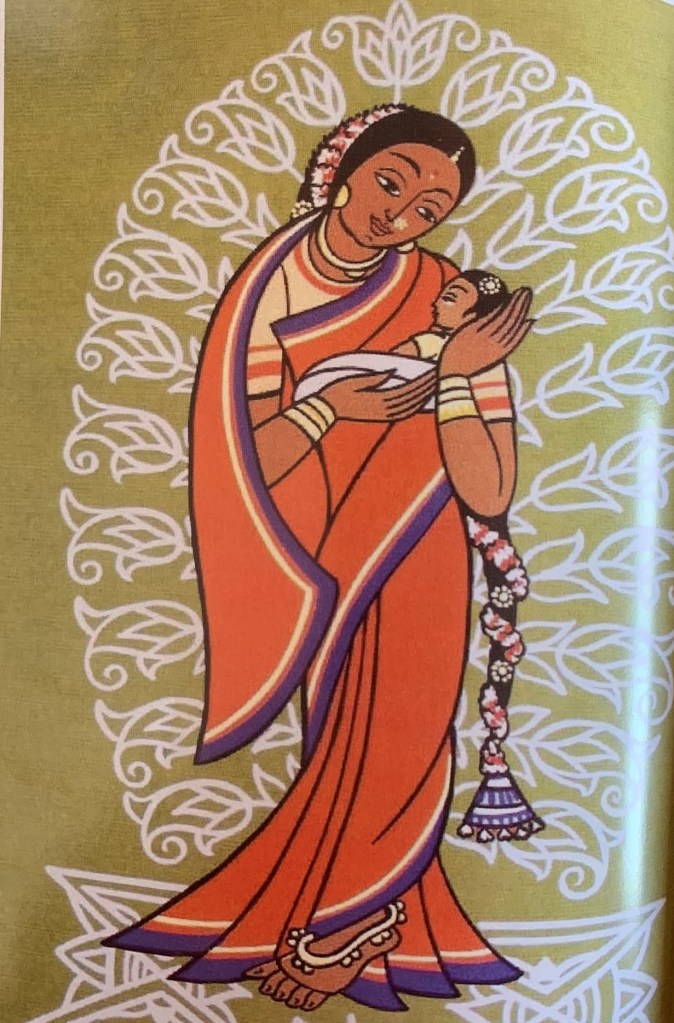
I’m sharing a few pages from the book on Indian Christmases because they remind me that no matter how much has changed- it’s up to us to keep the spirit of Christmas alive in our hearts. And the goodies on the table!
 butterfliesonmymindblog
The Plum cake and the Rum cake (as we grew older)..but I guess there has always been Rum, and we were told about it only when we got older. The taste remains the same.😄😄
LikeLiked by 1 person
Ha!Ha!!! The rum was always there. And only Old Monk will do. Nothing else!
LikeLike
Beautifully penned Deepti. Our Christmas preparations were so similar. Can almost taste the Gujiya and Parey! Gonna make some for old times sake.
LikeLiked by 1 person
Hope you’re enjoying the festive season!
LikeLike