
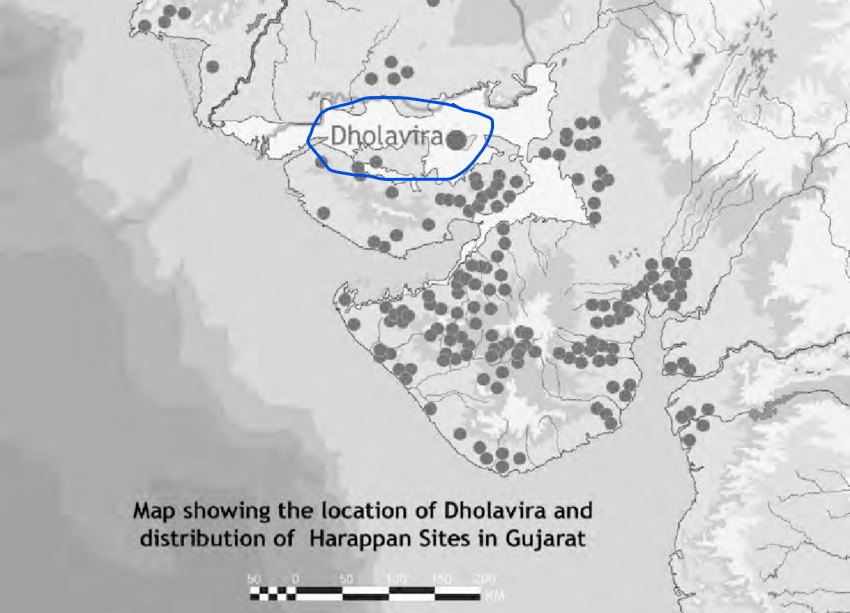
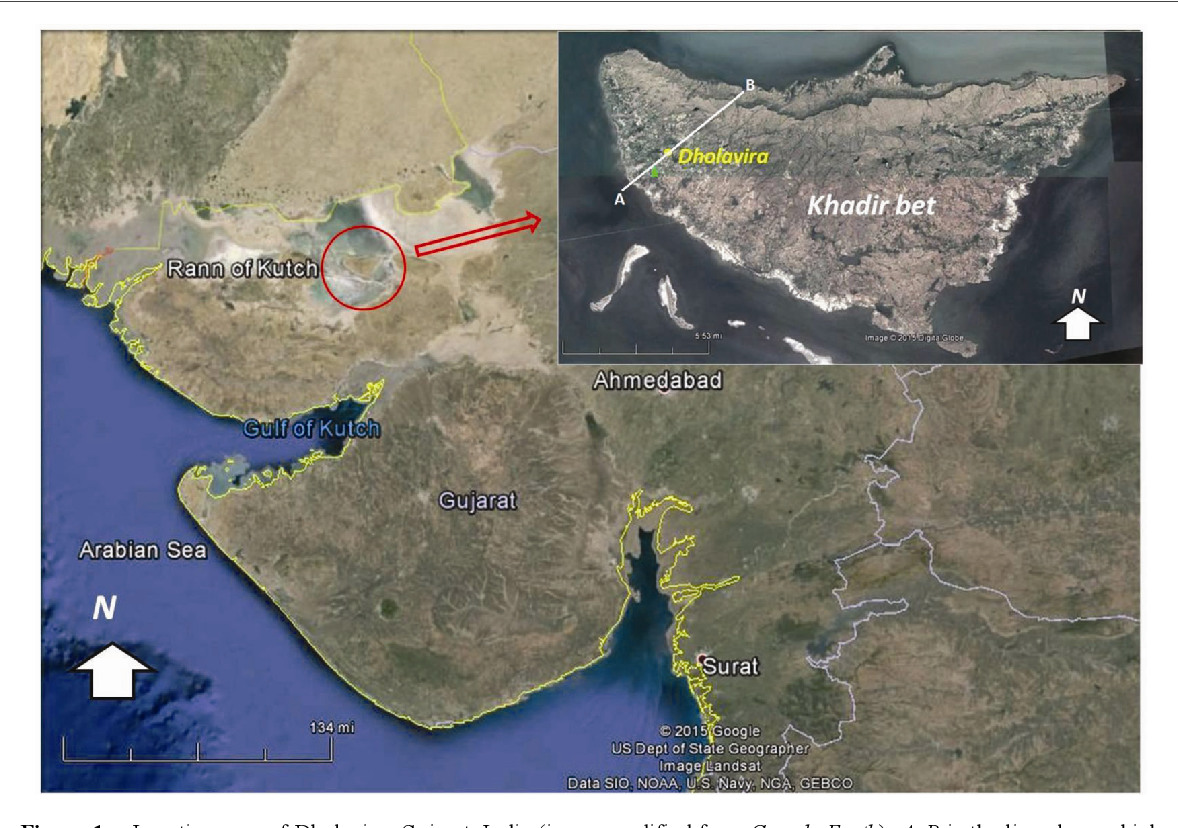
Dholavira is the site of a Harappan city which was part of the Indus Valley Civilisation- 5000 years ago. More than 1000 sites have been discovered till now and Dholavira ranks as the 6th largest among them. The other well-known ones are Harappa and Mohenjedaro (which we read about briefly in our history books, what also seems like 5000 years ago!) That is how little we know about the history of this land.
All great civilisations have come up on the banks of rivers, but Dholavira is unique because it existed for 1500 years in a region that was dry, arid and away from the rivers. It did not just exist, it thrived. This was possible because of its superior system of planning, water-conservation and management, rain-water harvesting, drainage and sewage. Hello! Local administrative bodies of the 21st century- does any of this sound familiar??
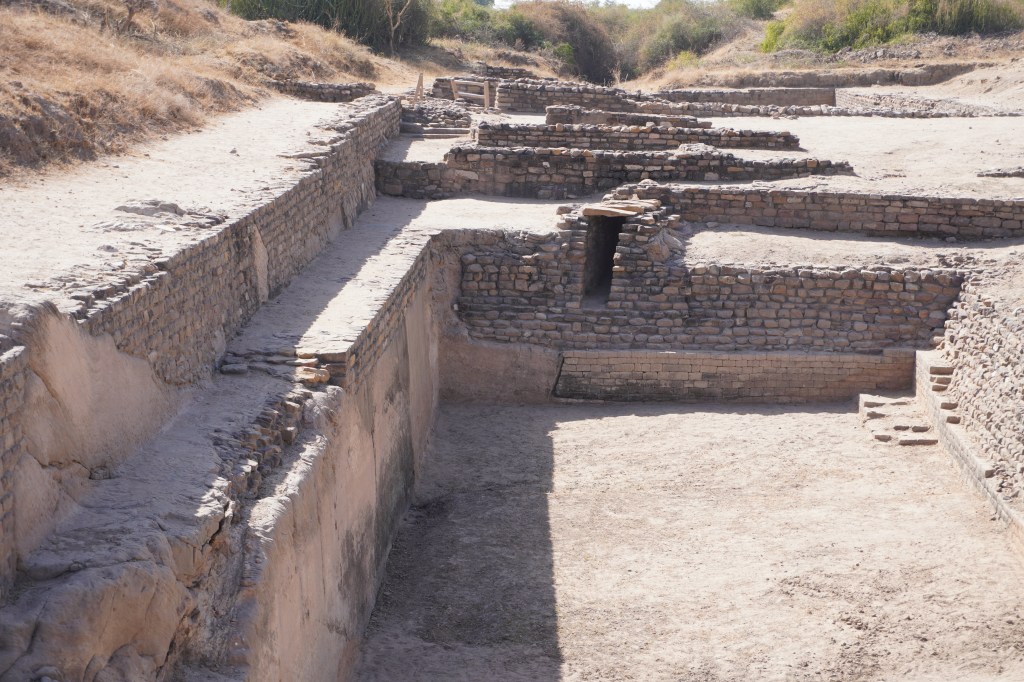
Although the site was discovered in 1968, major excavation began only in 1990 and carried on till 2005. What has been uncovered so far and is visible is only 30% of the city. The rest still remains safely buried and ensconced under layers of soil and sand. Safe, because there’s no telling how long it would survive the vagaries of climate and humans once it was exposed. According to our guide, some parts that were excavated were covered up again since it was seen as the best way to protect them.
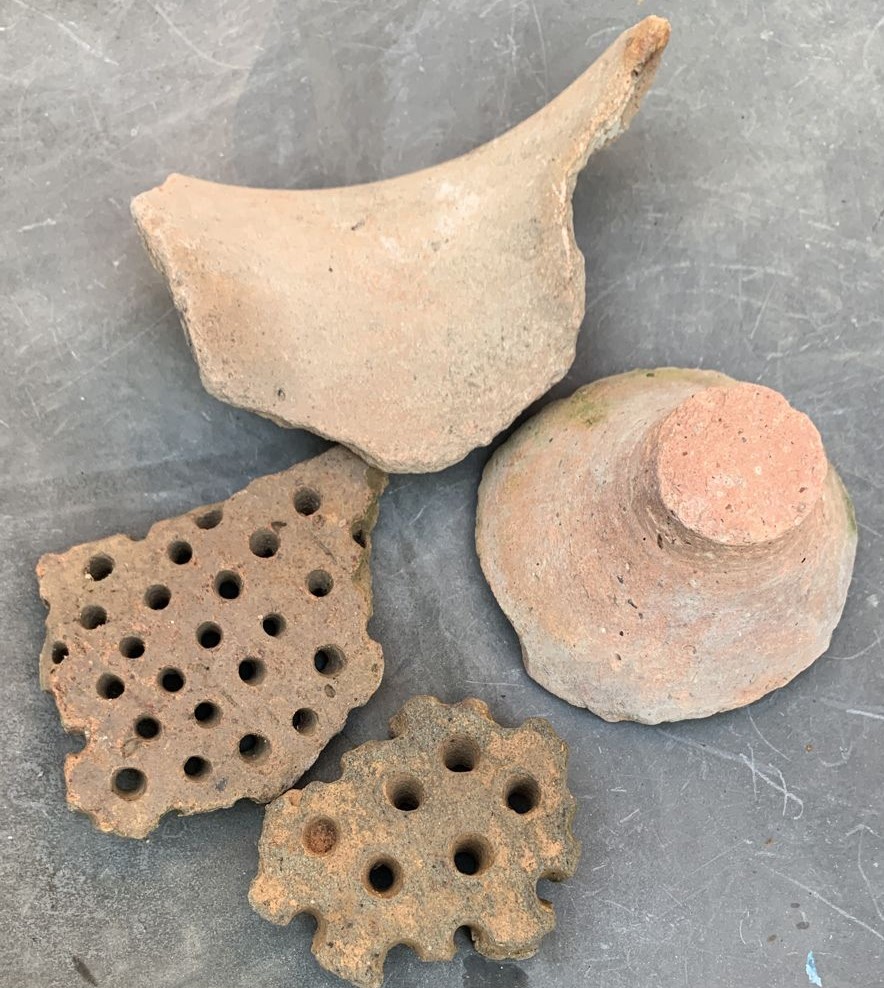
Because the Dholavir-ians settled far from the rivers, they worked out a way to bring the waters of two rivers to their city. They then proceeded to create a sophisticated system of reservoirs which would channel, filter, circulate and store this precious resource for themselves to use. The remains of the city show fortifications, ceremonial grounds, memorial grounds and workshops where they made beads, ornaments, pottery and vessels. Some of these articles have been found in far off Mesopotamia- a civilisation that flourished on the banks of the rivers Tigris and Euphrates ( somewhere near present day Iran/Iraq/Syria).Clearly, the Dholavir-ians had a thriving industry based on trade with other parts of the world. It is said that the fall of Mesopotamia contributed to the fall of the Harappan civilisation- so strongly were they interdependent.
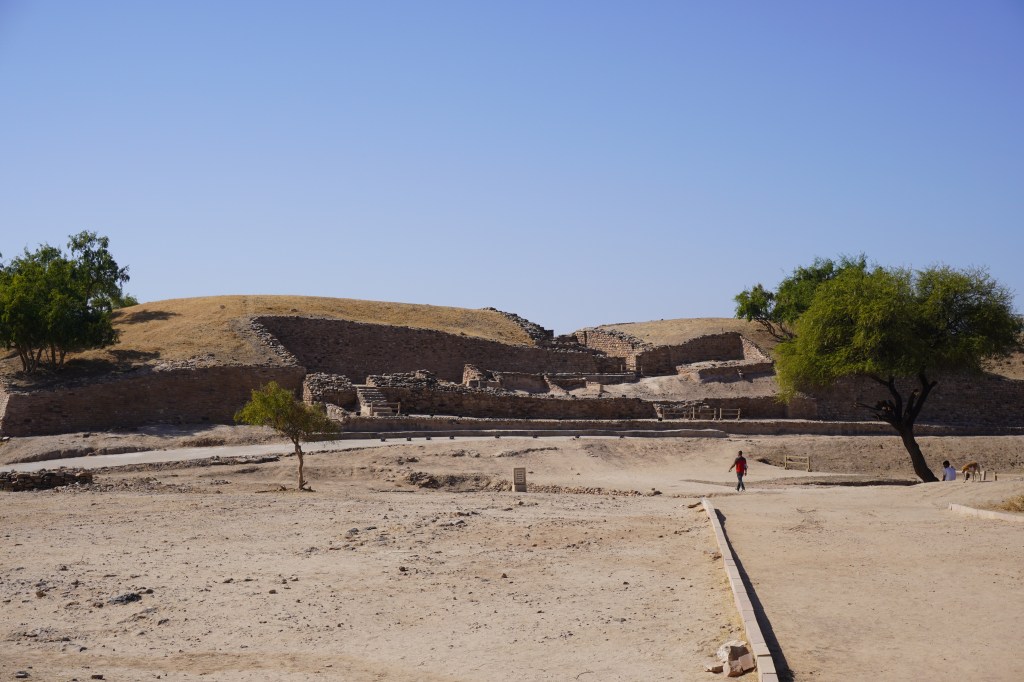
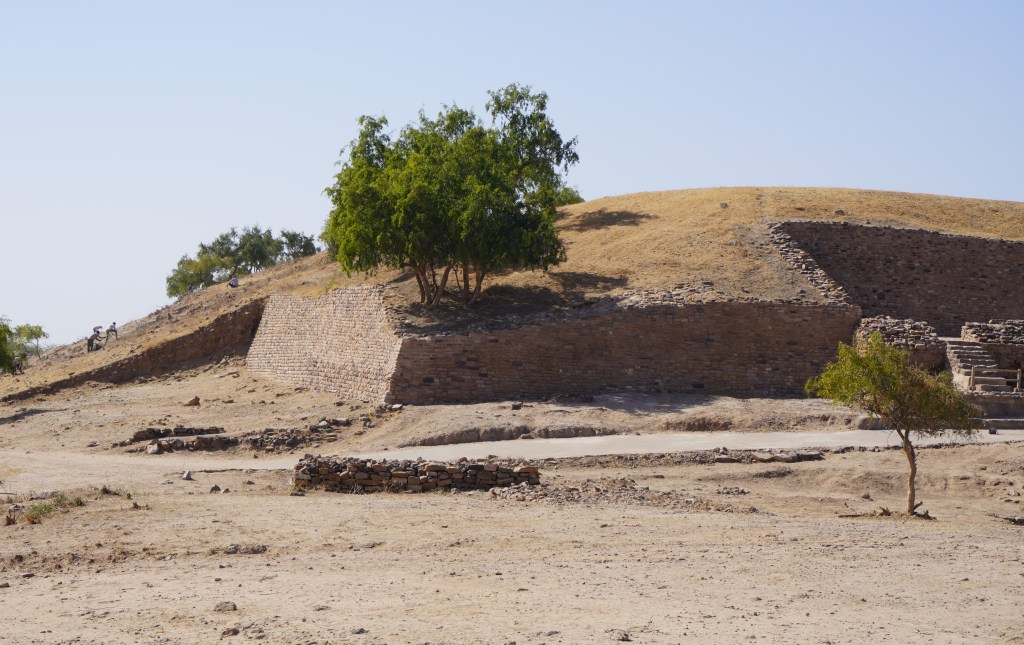
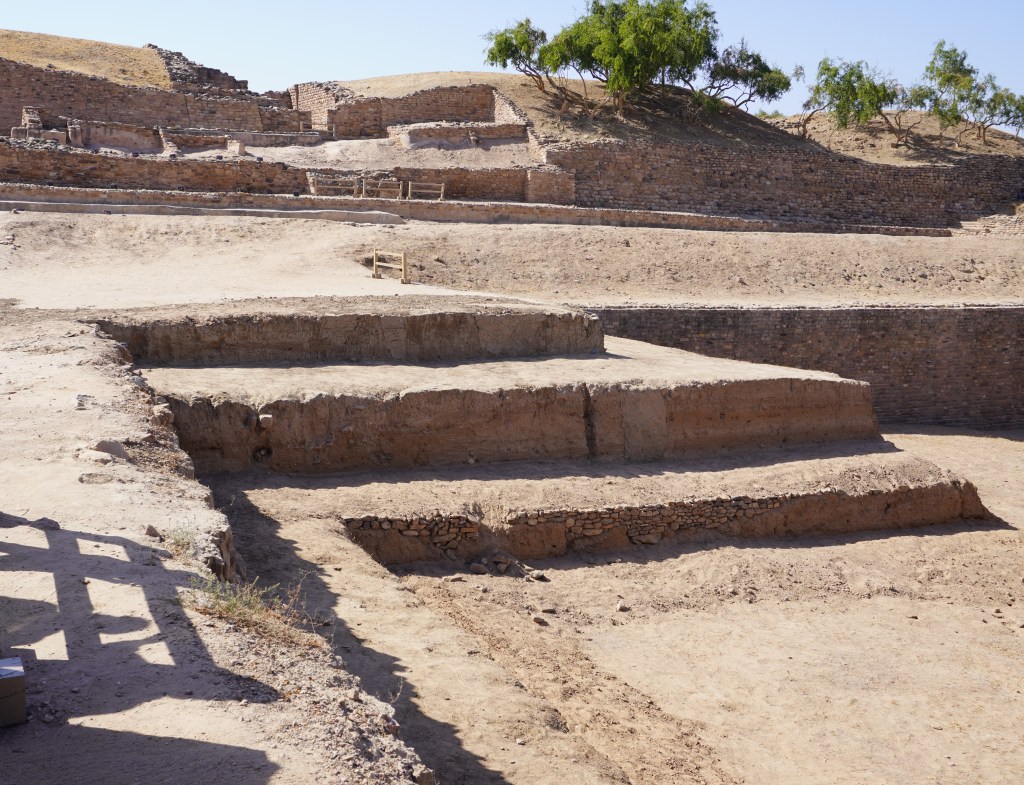

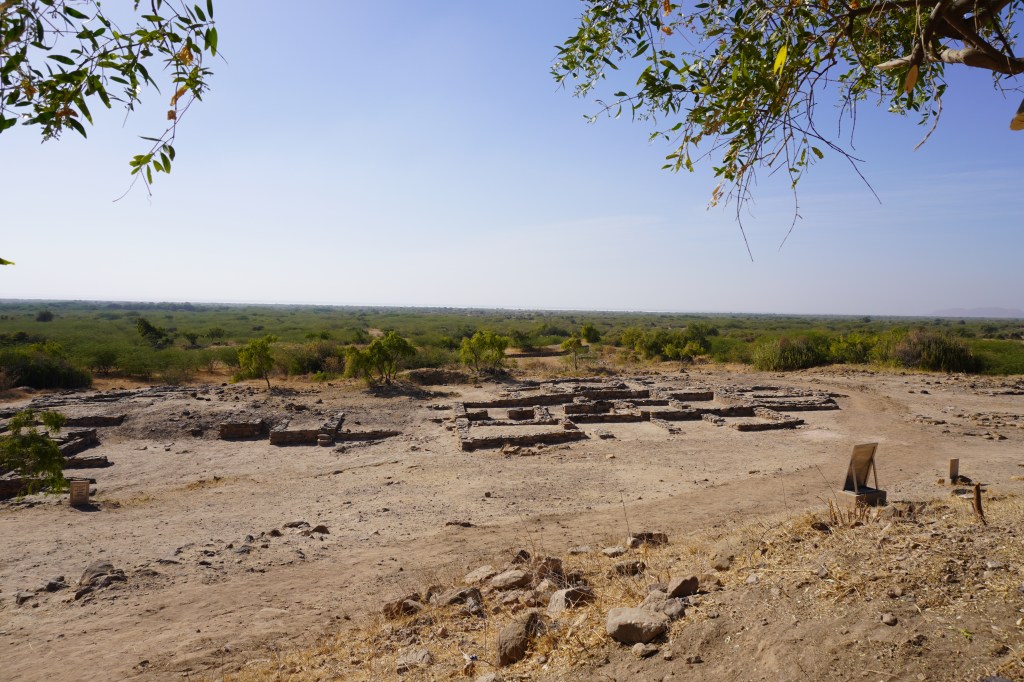
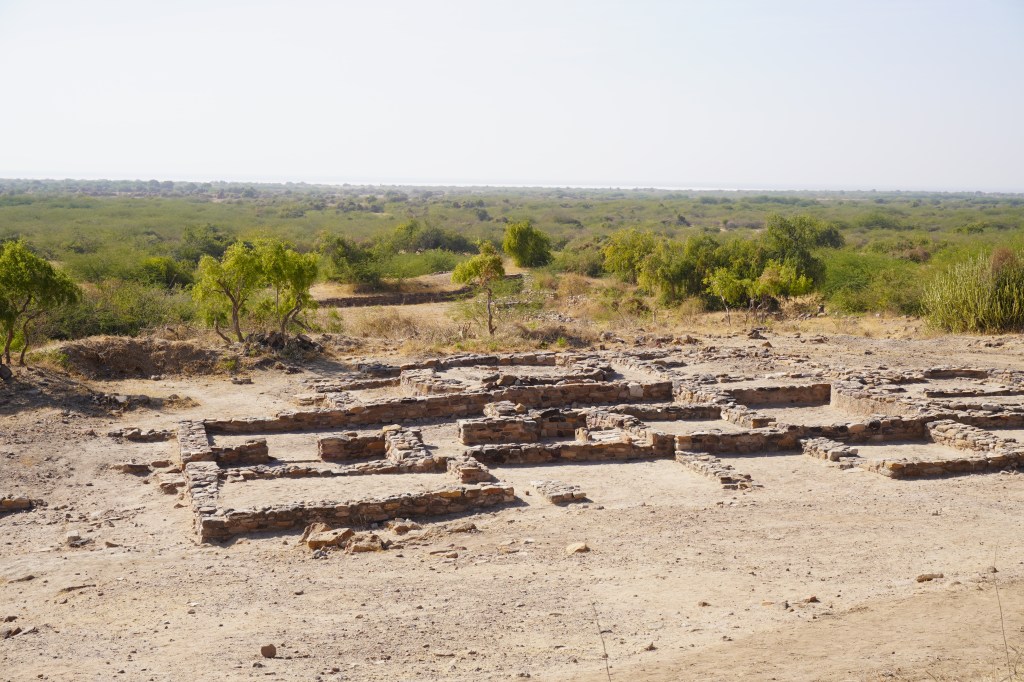
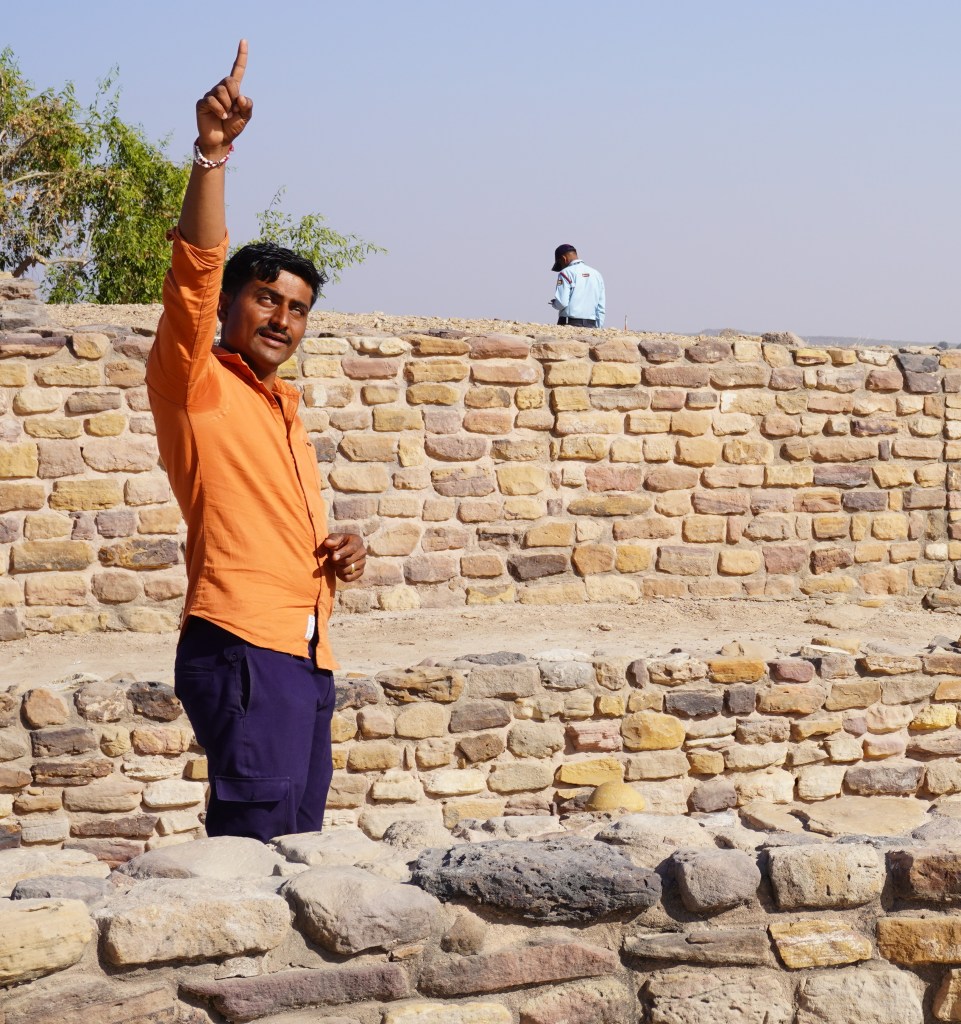
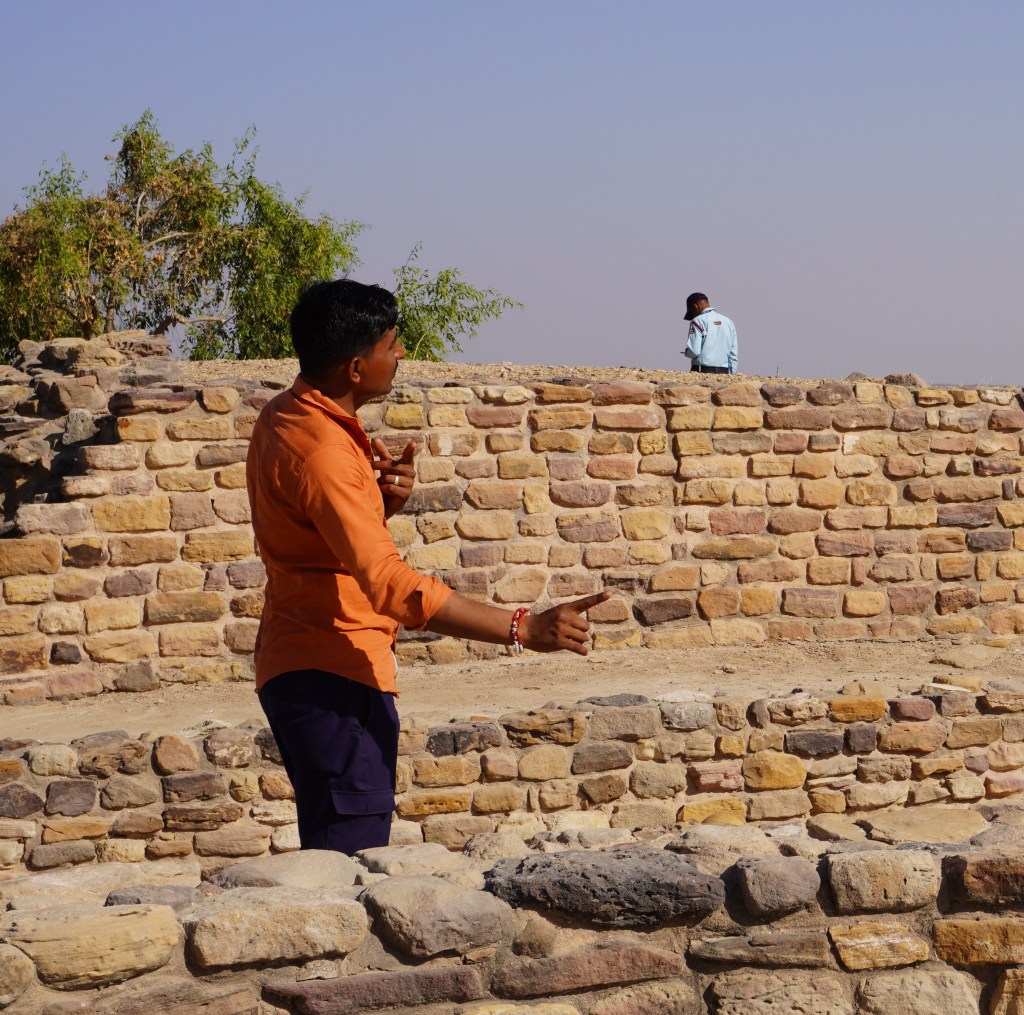
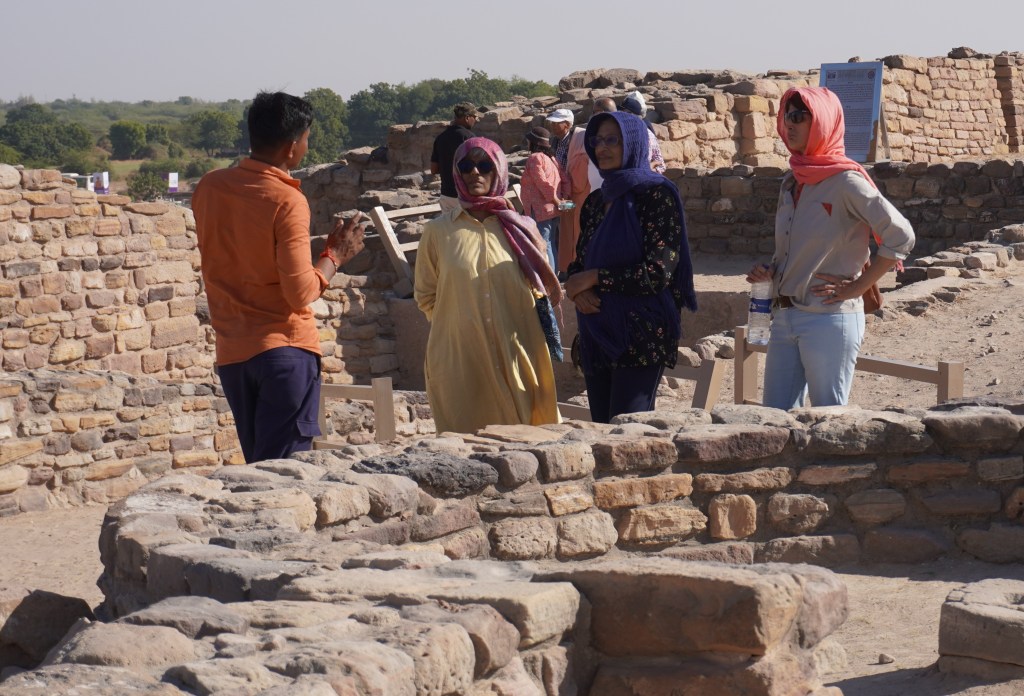
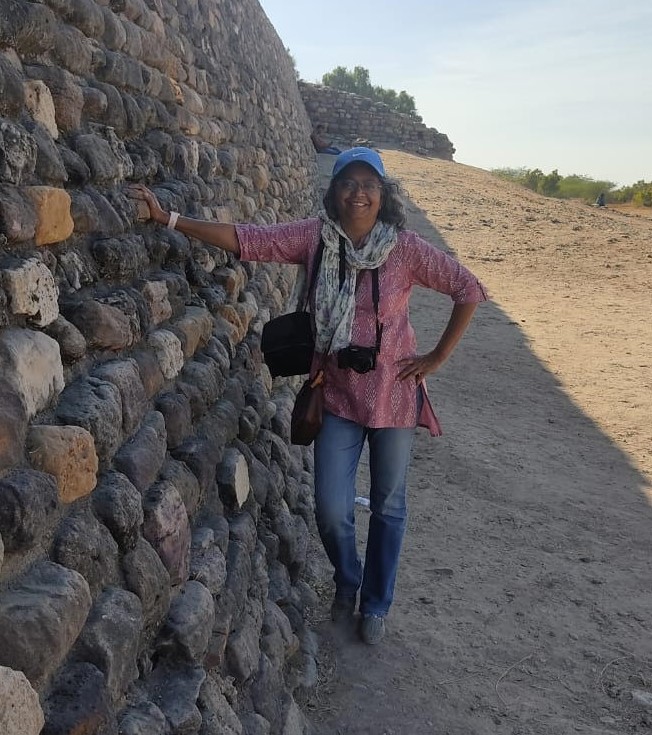
It was a slightly eerie feeling to look upon all this and try to imagine the lives of those had passed on here. And left traces of their existence for us to discover. How many generations of people must have walked this land- after all, the Harappan civilisation lasted for 1500 years. Did their fortunes also ebb and flow with the tides of the sea that carried their goods to far off lands? Were they too affected by climate change and compelled to leave their dwellings because of the hardships that followed? Our knowledgeable guide showed us the difference in the structures and materials used in the buildings that indicated the rise, growth and subsequent decline of this civilisation.
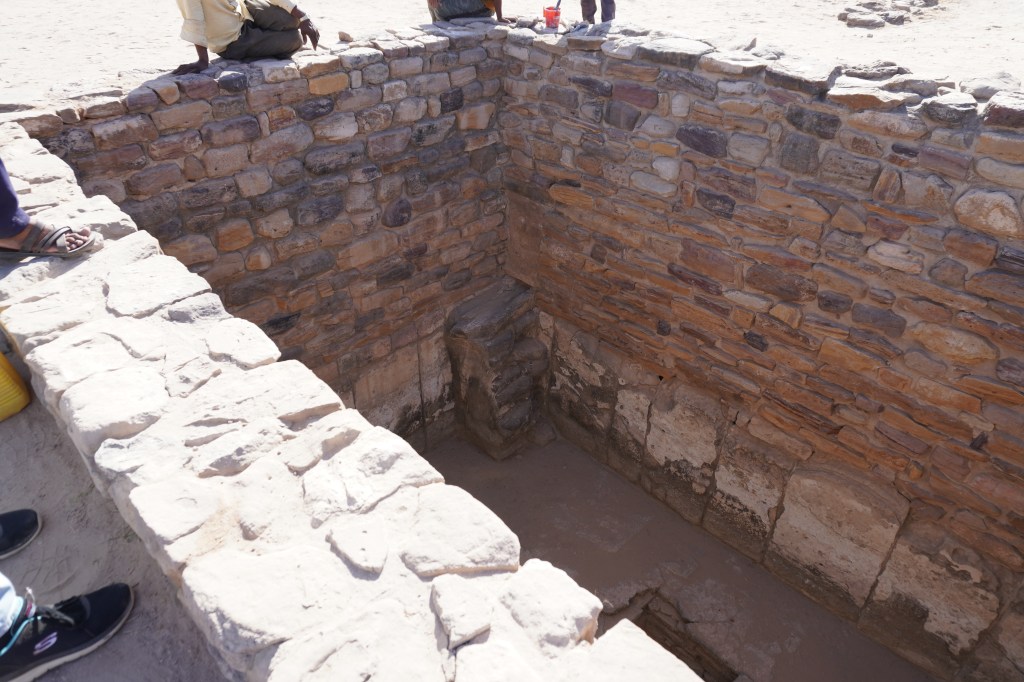
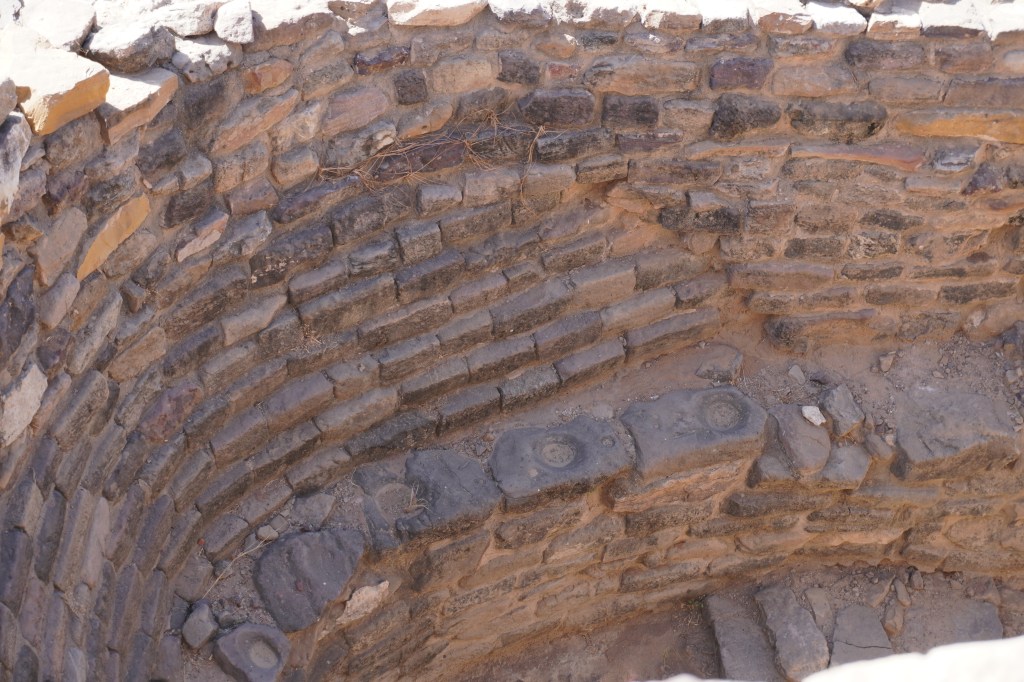
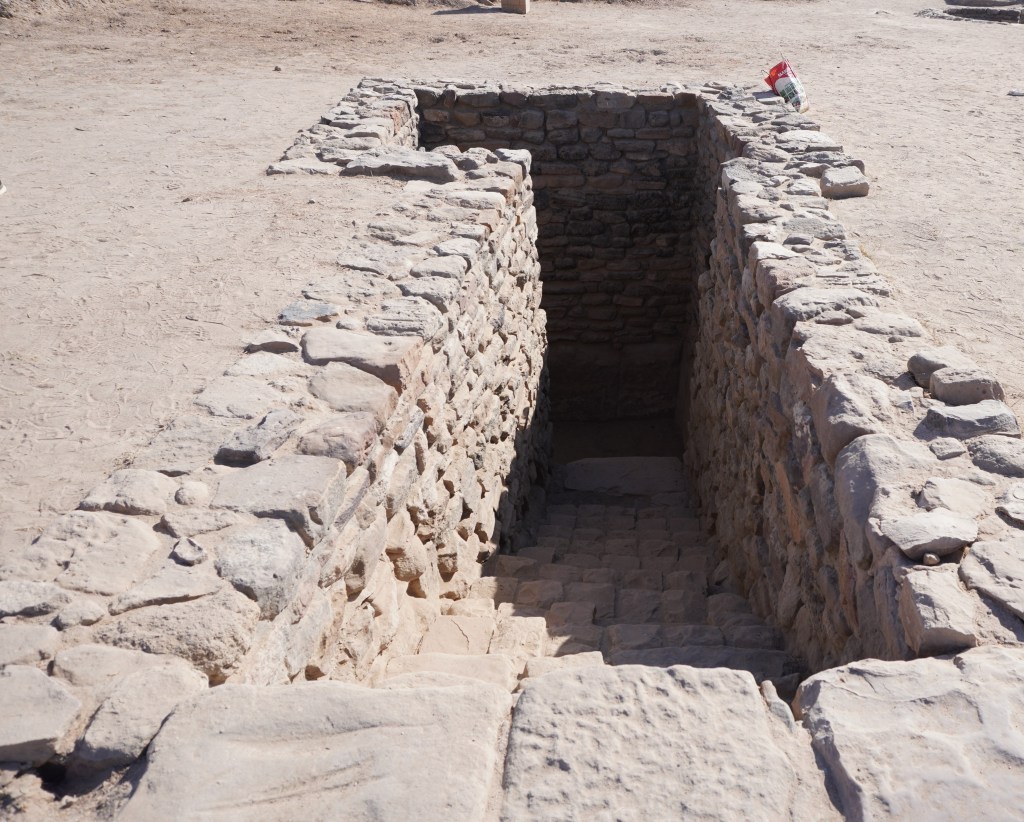
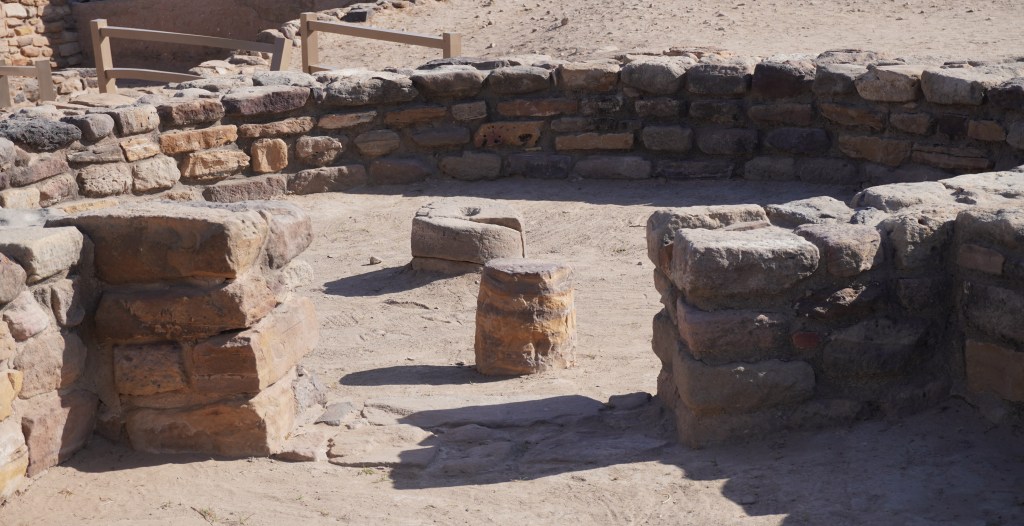
There are several more discoveries that lie hidden beneath these structures. Perhaps it would be better to leave them as they are-undisturbed and protected from the ravages of nature and mankind. Or maybe we need to probe deeper and try to understand how our ancestors lived and see if their past could help us lead a better present?
Since a large delegation of foreign dignitaries was to visit the site on the following day- arrangements were being made for them on a large and efficient scale. Everything was to be top-notch and the site would be closed off for visitors. That day, the guides who earned their livelihood by showing tourists around the site would earn nothing. The delegation was to deliberate and decide on the future of the site- regarding funds for further excavation and study.
As Kaushal Bhai, our guide put it, very cynically. “They do all this for the dead and nothing for the living.”
 butterfliesonmymindblog
A wonderfully written, engaging and informative piece! May you travel and unravel more and more…
LikeLike
Wish you were my history teacher. 😎You’ve either researched this so well or have taken notes when Kaushal took you around… If we had such excellent city planning 5,000 years ago, why did we land up with so many unplanned cities ?? Where did we go wrong?
LikeLiked by 1 person
A little of both! There’s so much to know- this is barely skimming the surface! Yeah- we either don’t learn from history or we learn the wrong lessons; as evidenced by what’s going on nowadays.
LikeLike