
It is impossible to drive through the rocky, dusty and largely barren landscape of this region without thinking of the bands of dacoits that once roamed freely here. We pass signboards bearing names like Bhind, Morena and Chambal- all famous (or notorious!) because they were home to the dreaded dakus; some of whom have been immortalized in cinema and folklore.
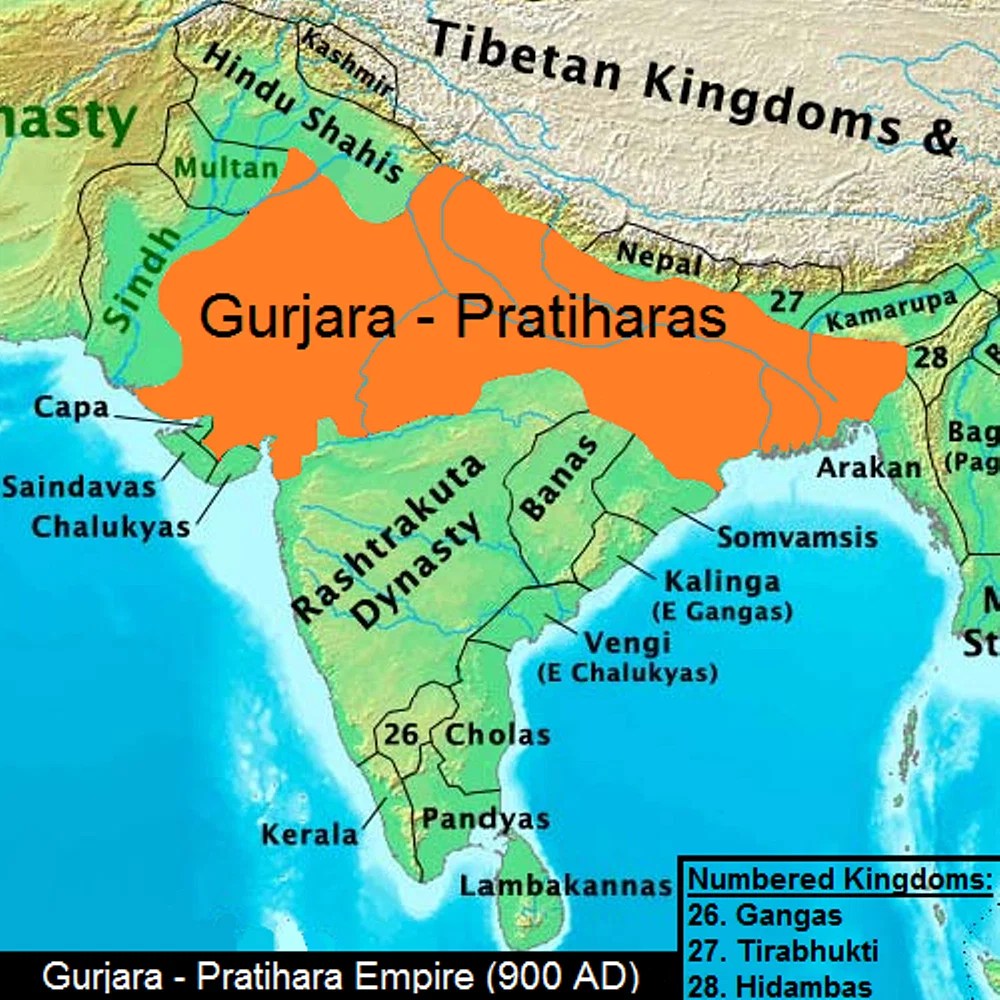
But if we go a few hundred years back to the 8th century and carry on to the 11th century, then we learn that this region was ruled over by the Gurjar-Pratihar kings. The most powerful and best-known of them is Raja Bhoj (another post about him later). Apart from successfully fending off Arab invaders, these kings also patronised the arts, culture and temple-building.
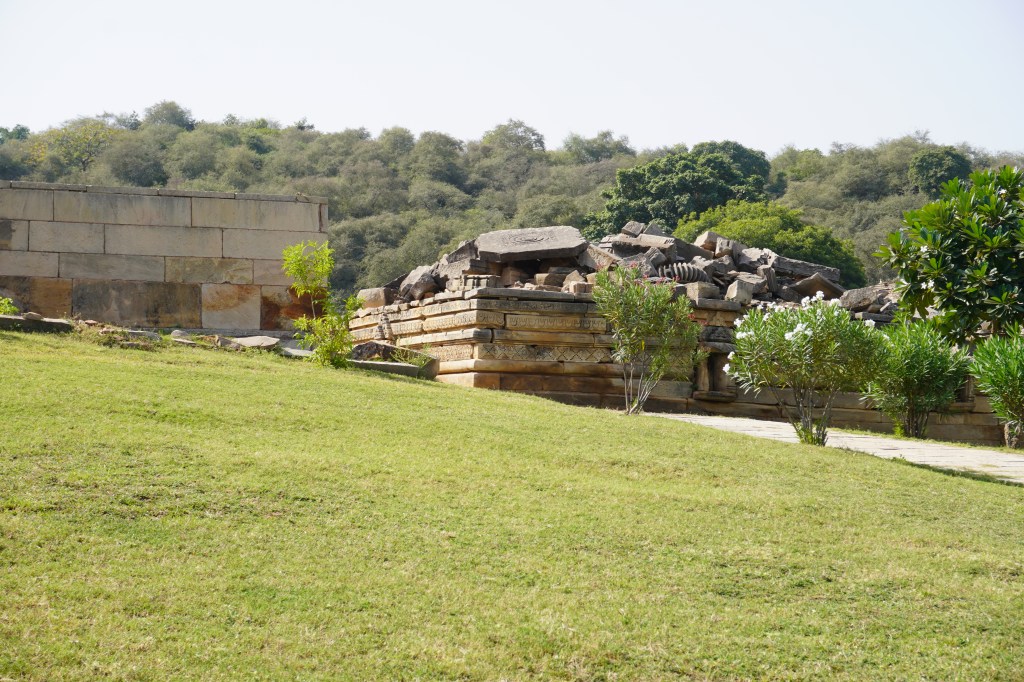
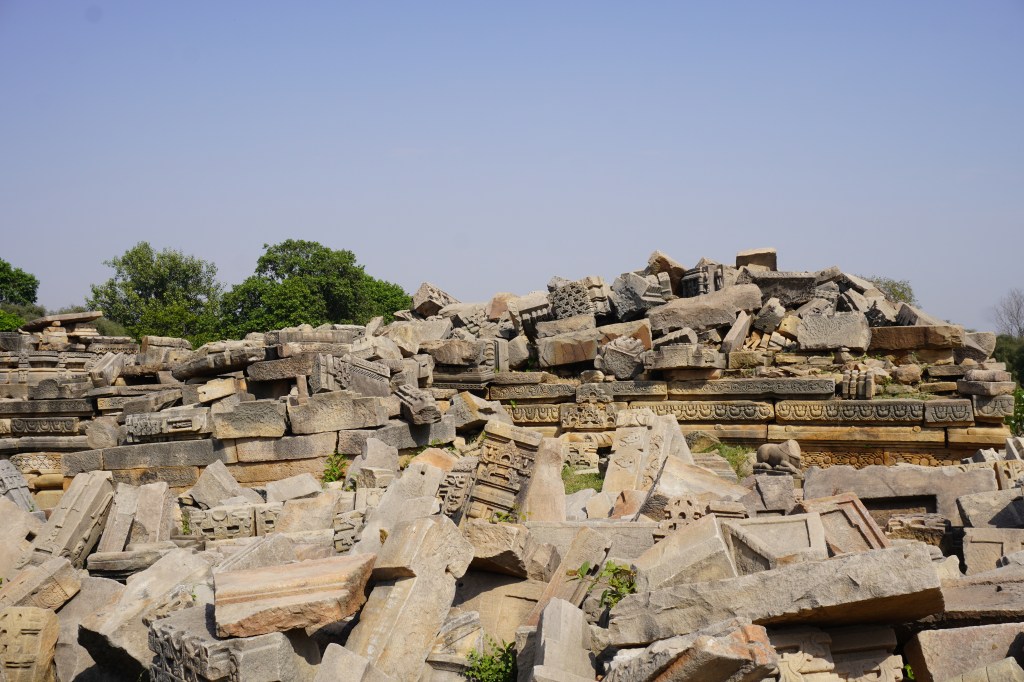
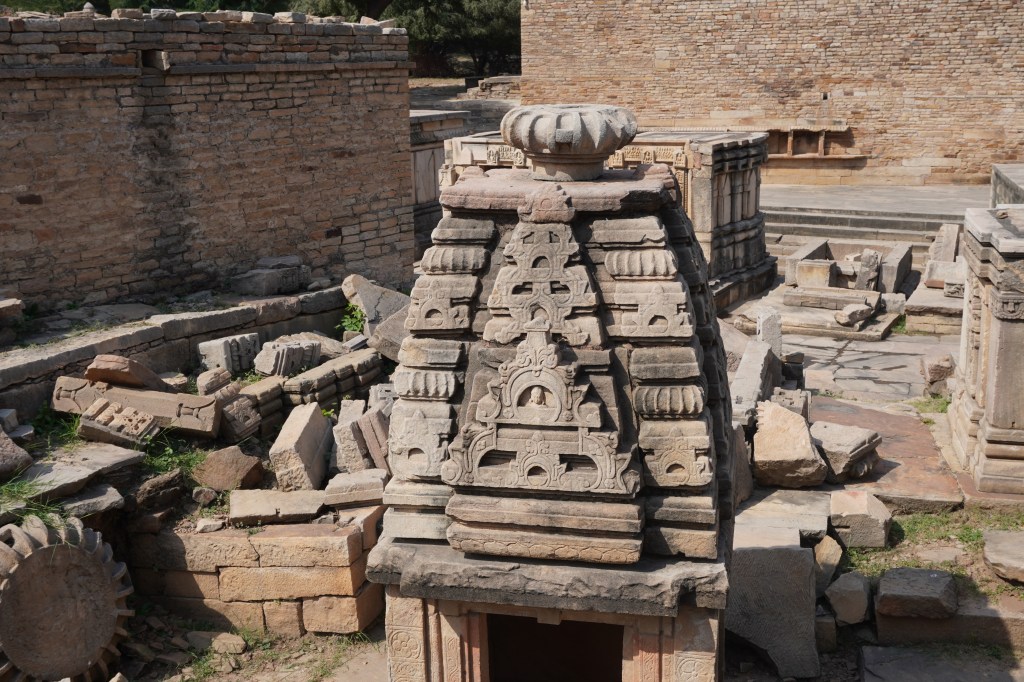
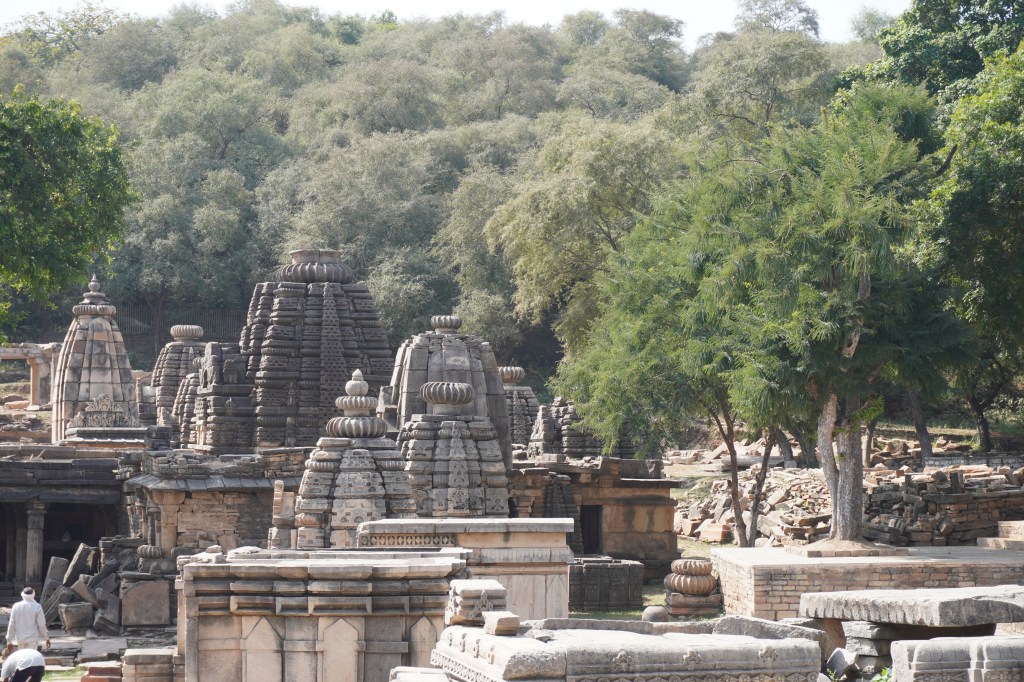
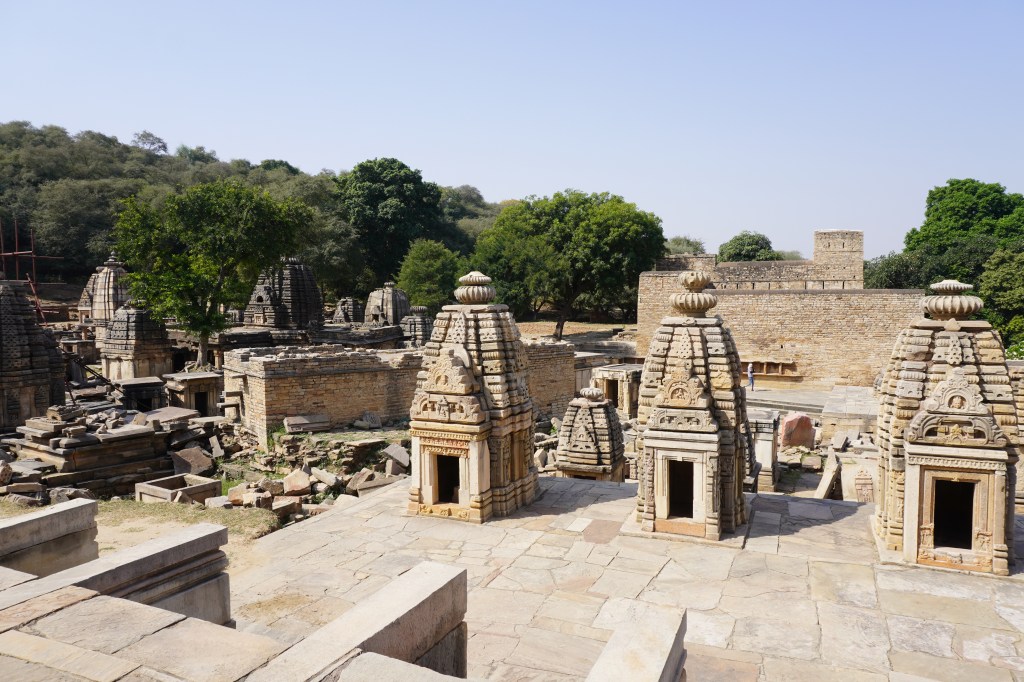
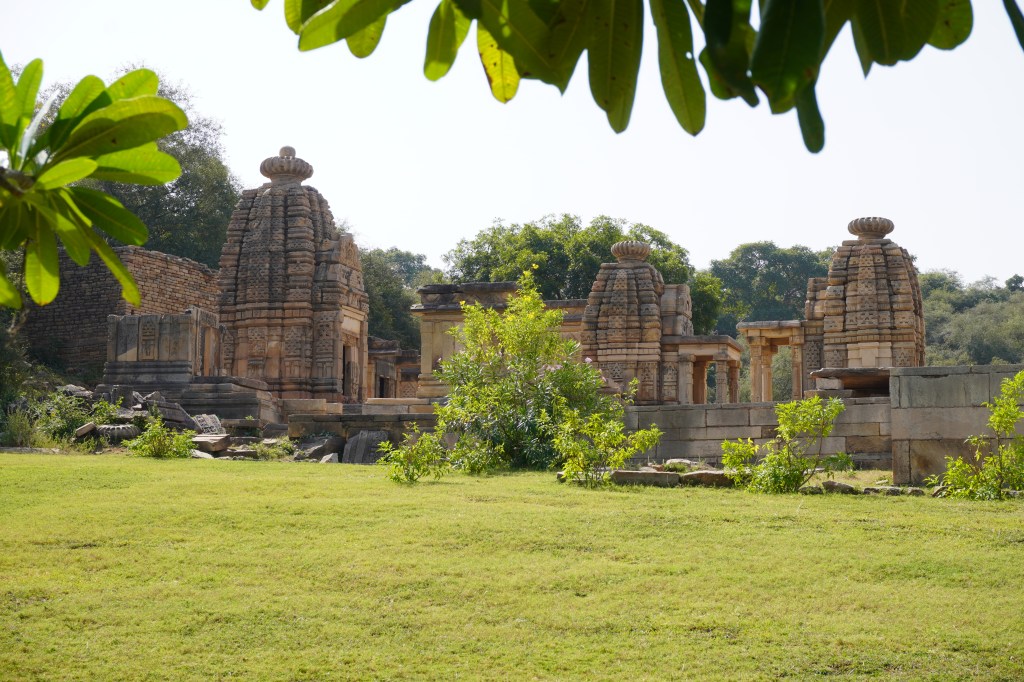
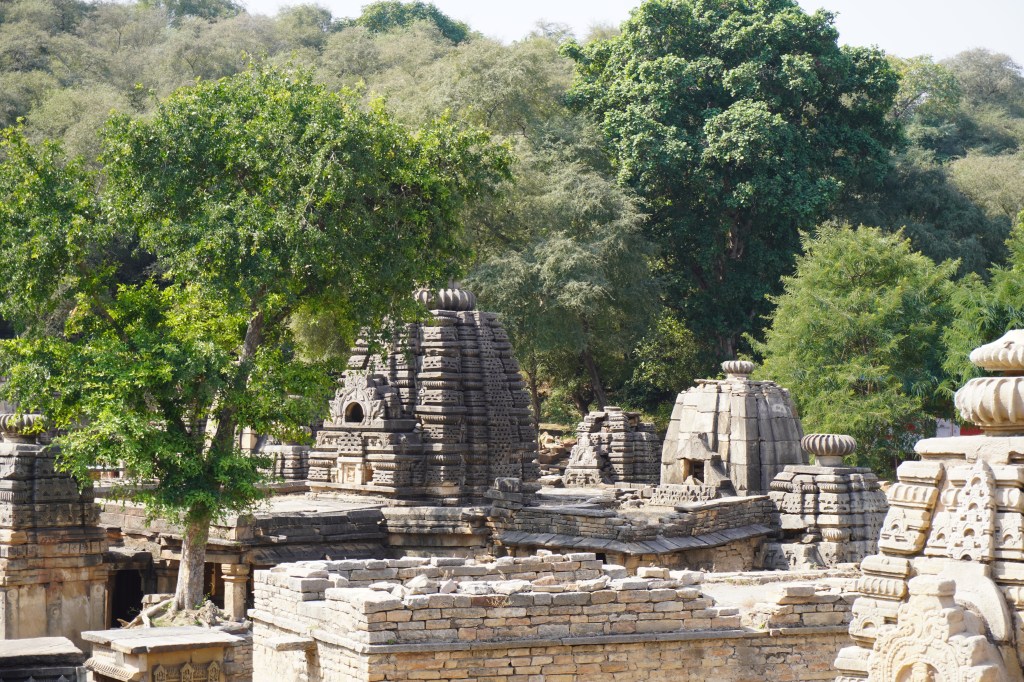
Which brings us to Bateshwar- situated about 50 kms from Gwalior- and the site of more than 200 temples, most of which are in ruins. This temple-complex is spread out over 10 acres in what appears to be a bowl-shaped area at the foot of some hills. Not much is known about their construction or destruction and once the Gurjar-Pratihar dynasty fell, these temples too disappeared from the public eye. Historians speculate that they were brought down by an earthquake and then nature took over, covering the ruins with trees and vegetation. Because of this, the ruins were protected from vandals and rampaging armies. ‘Tout est pour le mieux’ and all that!
There was another reason why these temple ruins remained largely untouched by human hands- yes; it was because these region was infested by dacoits, which kept away plunderers, smugglers and thieves of temple artifacts. How’s that for a blessing in disguise?!
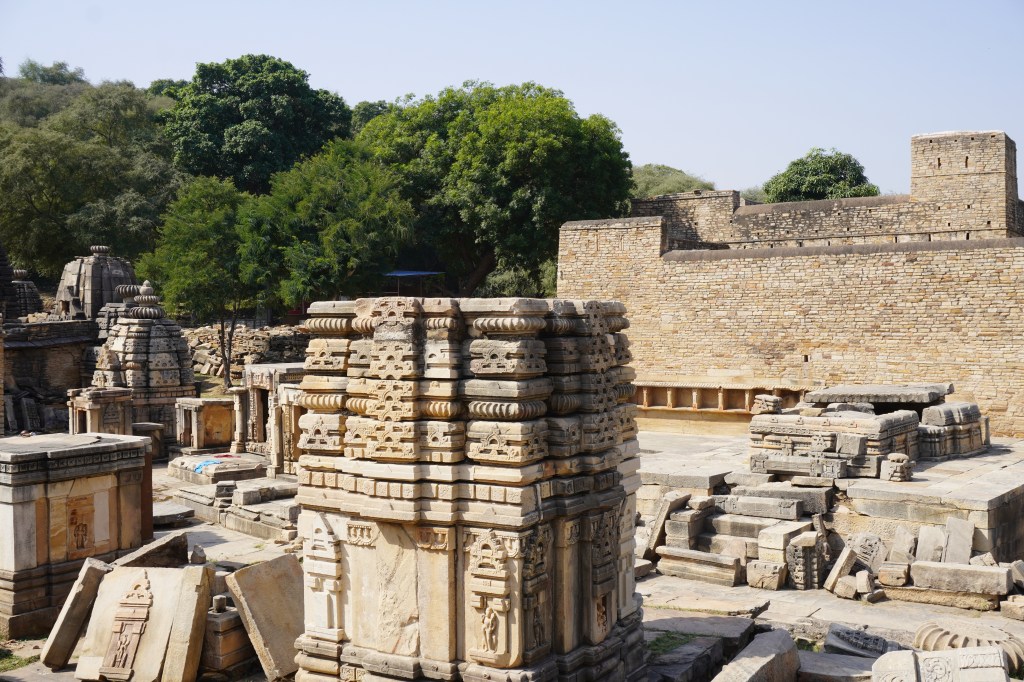
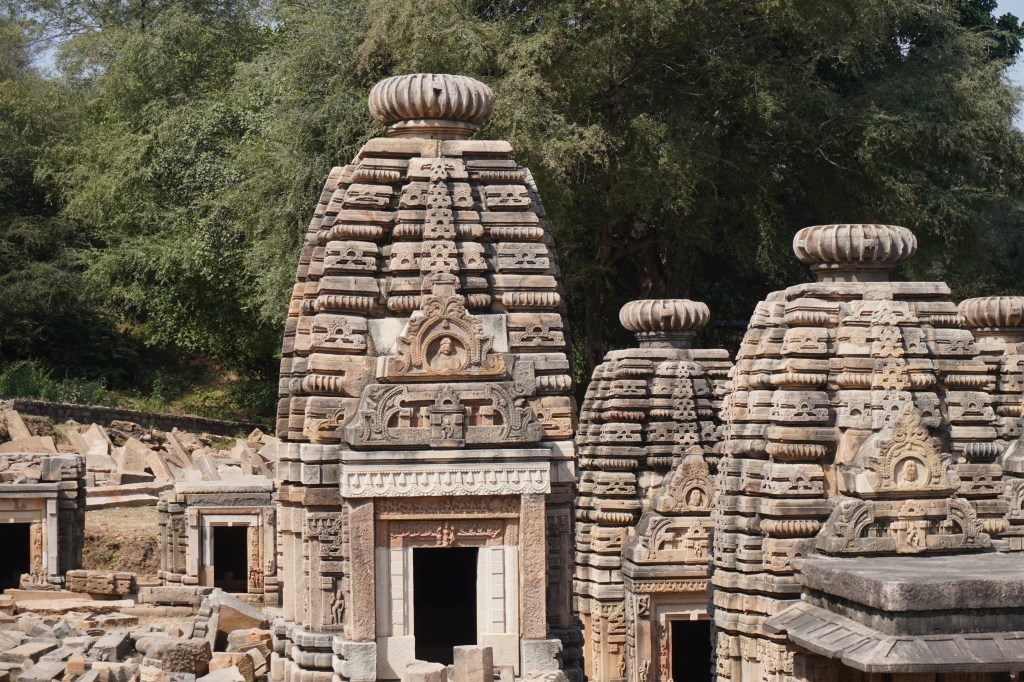
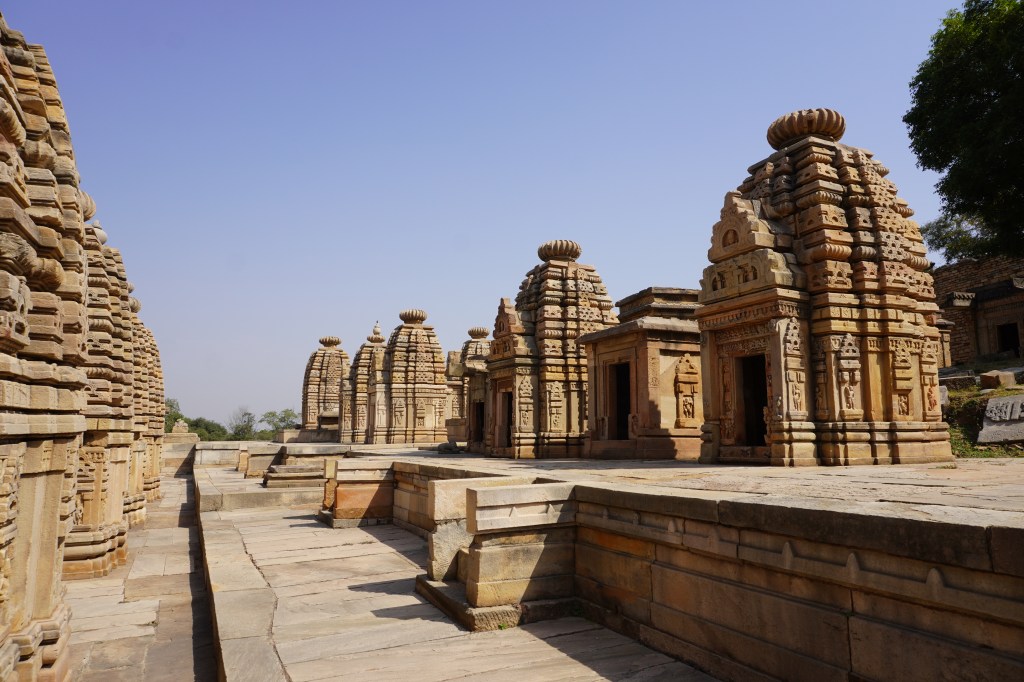
Cut to 2002 and a team from the Archaeological Survey of India, led by one K.K Muhammed, was able to convince the dacoits to allow them access to the site. K.K Muhammed also persuaded the dacoits to support the restoration work, saying that it was a legacy of their ancestors. Excavation work began in 2005 and with the help of the dacoits, K.K Muhammed and his team were able to restore 80 temples back to their original form and glory. The temples are all of sandstone and their architecture varies depending on the different time periods during which they were built. It must have been a humongous, mind-boggling task- like putting together the pieces of a giant jigsaw puzzle.
There is a speech in which K.K Muhammed talks about how he succeeded in getting through to the most powerful of all dacoits- one Nirbhay Singh Gujjar- who resided among these ruins. Through local intermediaries, he was able to convince Gujjar to vacate the area and allow the restoration work to take place unhindered. This also made it easier for K.K Muhammed to get people who lived in the region to work for him. Apparently Gujjar even visited the site, incognito, to see the work that was going on, and was pleased with the result!
A very filmi encounter also took place between the archeologist and the dacoit, and NO, it was NOT the kind of encounter we read about nowadays. K.K Muhammed once saw a bearded man, smoking a bidi at the foot of one of the temples. When he walked over to ask the man to stop, he was informed that it was Nirbhay Singh Gujjar, in person! The archeologist and the dacoit then had a long chat, during which the archeologist persuaded the dacoit to shift base elsewhere. Nirbhay Singh agreed on condition that he and his gang be allowed to worship at a Hanuman temple there. It was a ritual they followed before every raid they conducted. Well! They were dacoits, after all! After this, the restoration work went faster and better because more workers could be brought in from other places.
But the long arm of the law managed to catch up with the dacoits of Chambal. The Special Task Force swung into action and the dacoits were either shot dead or rounded up and made to surrender. K.K Muhammed and his team lost their most powerful, yet unlikely ally. With the passing of the dacoits, the site got threatened by a more sinister gang- the mining mafia. They still prevail and illegal blasting around the temple complex is causing harm to these beautifully restored structures.
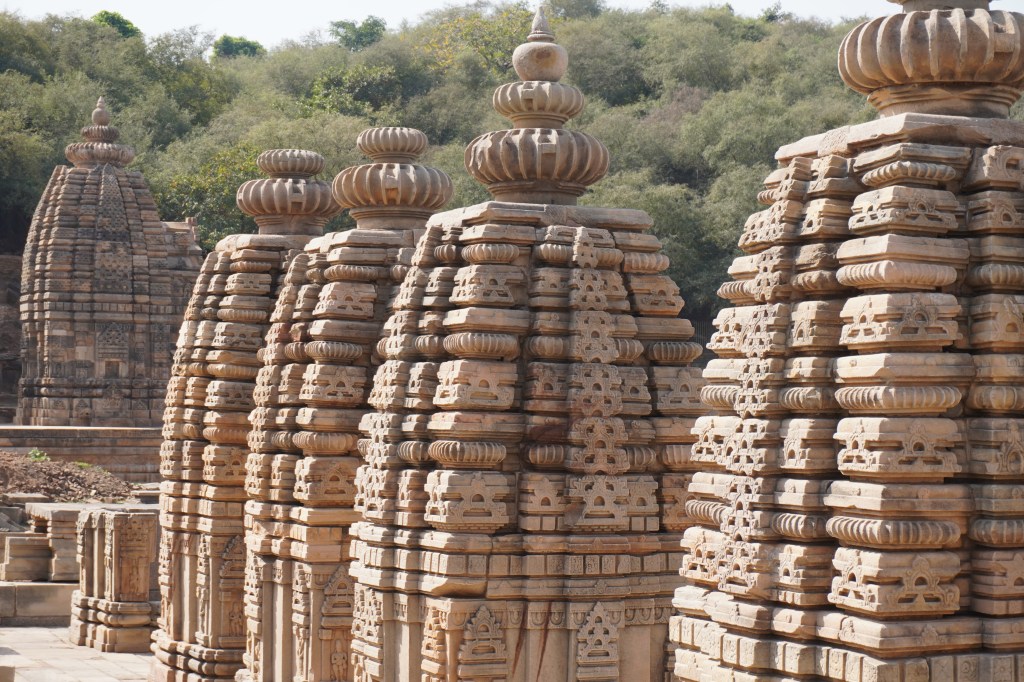
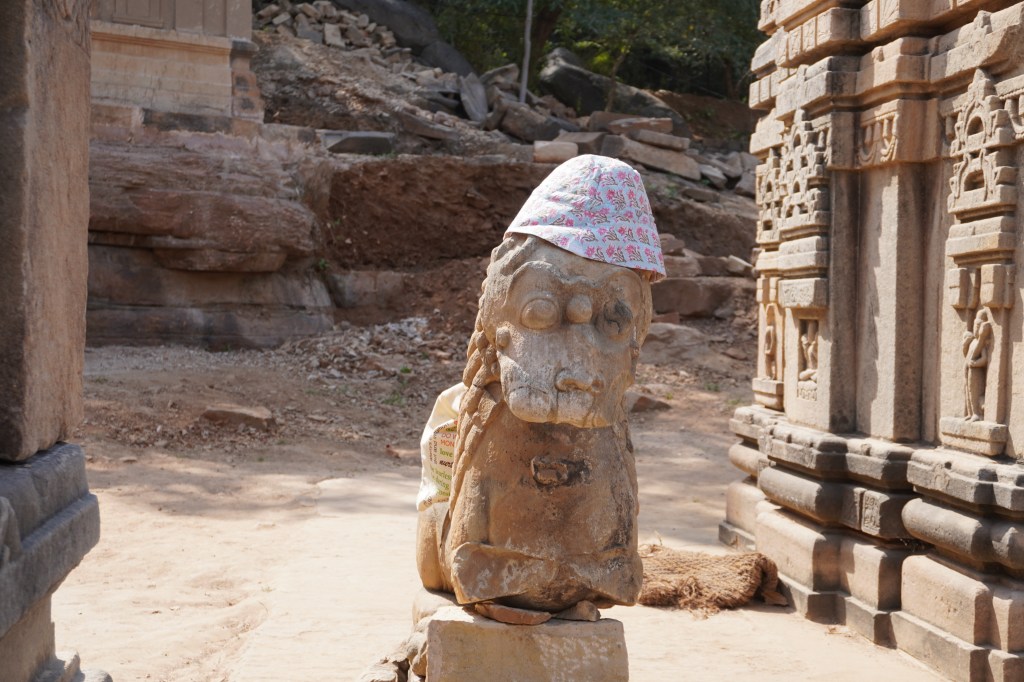
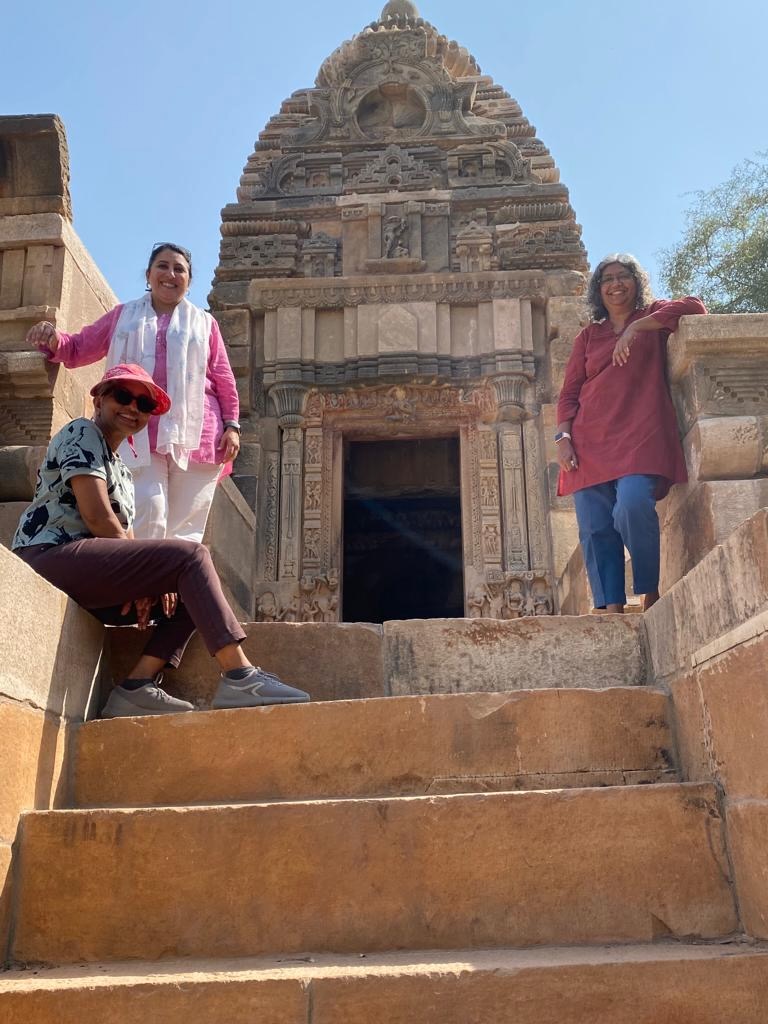
There are several temples awaiting restoration, while the completed ones stand closely together among the fallen and excavated ruins of their companions. These temples predate the ones at Khajuraho and are even said to be the precursor to some of those carvings. A large Vishnu temple has been completely restored and there is also an idol of Hanuman to whom the locals offer prayers.

 butterfliesonmymindblog