
On 29 November 1618, 5 ships and 500 men set sail from Copenhagen in Denmark and headed for Ceylon (Sri Lanka). It was an expedition fraught with anxiety and some excitement. King Christian IV had invested an enormous sum of money to equip the fleet for this long and arduous journey. The Dutch, English and Portuguese had already embarked on lucrative trading activities in this region and the Danes did not want to be left behind. But why Ceylon? The ruler of Ceylon was looking for allies to stand up to the Portuguese who were becoming a bit too powerful on his island for his liking. He got to know that the Danes were interested in trade and extended them an invitation. So, the expedition set off- the ships well stocked with men, food and ammunition for the long voyage.
It took them one and a half years to reach Ceylon and the journey was not without some mishaps. By the time they reached the Cape of Good Hope in Africa, many men had died of disease or exhaustion, they faced mutiny in the ranks, they were attacked by pirates and at Senegal, some of the men were even captured by the inhabitants. The expedition finally reached Ceylon, only to be greeted with the news that the ruler had decided to become friends with the Portuguese and their services were no longer required. The leader of the expedition- Ove Giedde, also learnt that one of their ships was wrecked in a battle off the Coromandel Coast, at a place called Nagapattinam. The Portuguese (yes, them again!) were well-entrenched here, their fleet was superior and they claimed monopoly over trade with India. As a result of the battle, most of the crew were either killed or taken prisoner. The few who managed to escape were caught by the locals and handed over to Prince Raghunath Nayak of Tanjore (Thanjavur). Admiral Giedde decided to proceed to Tanjore and negotiate a treaty with the Nayak, which would grant the Danes trading rights within Tanjore. This was duly agreed upon and in addition, the Danes were given permission to build a stone house in a small village called Tranquebar from where they could collect rent and hand over a part of it to the Nayak. Tranquebar is also known as Tharangambadi which means ‘the village lashed by waves’.
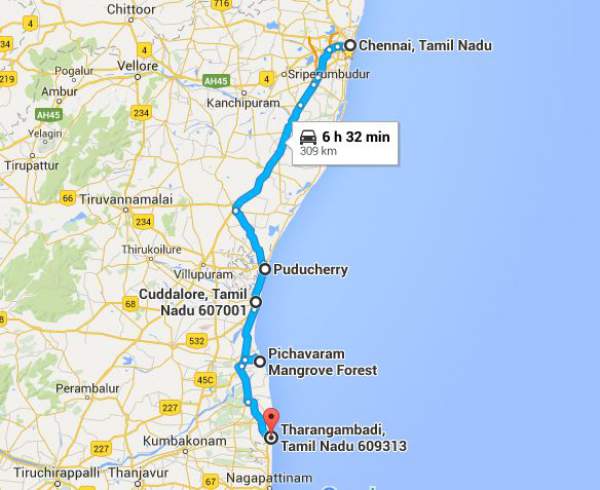
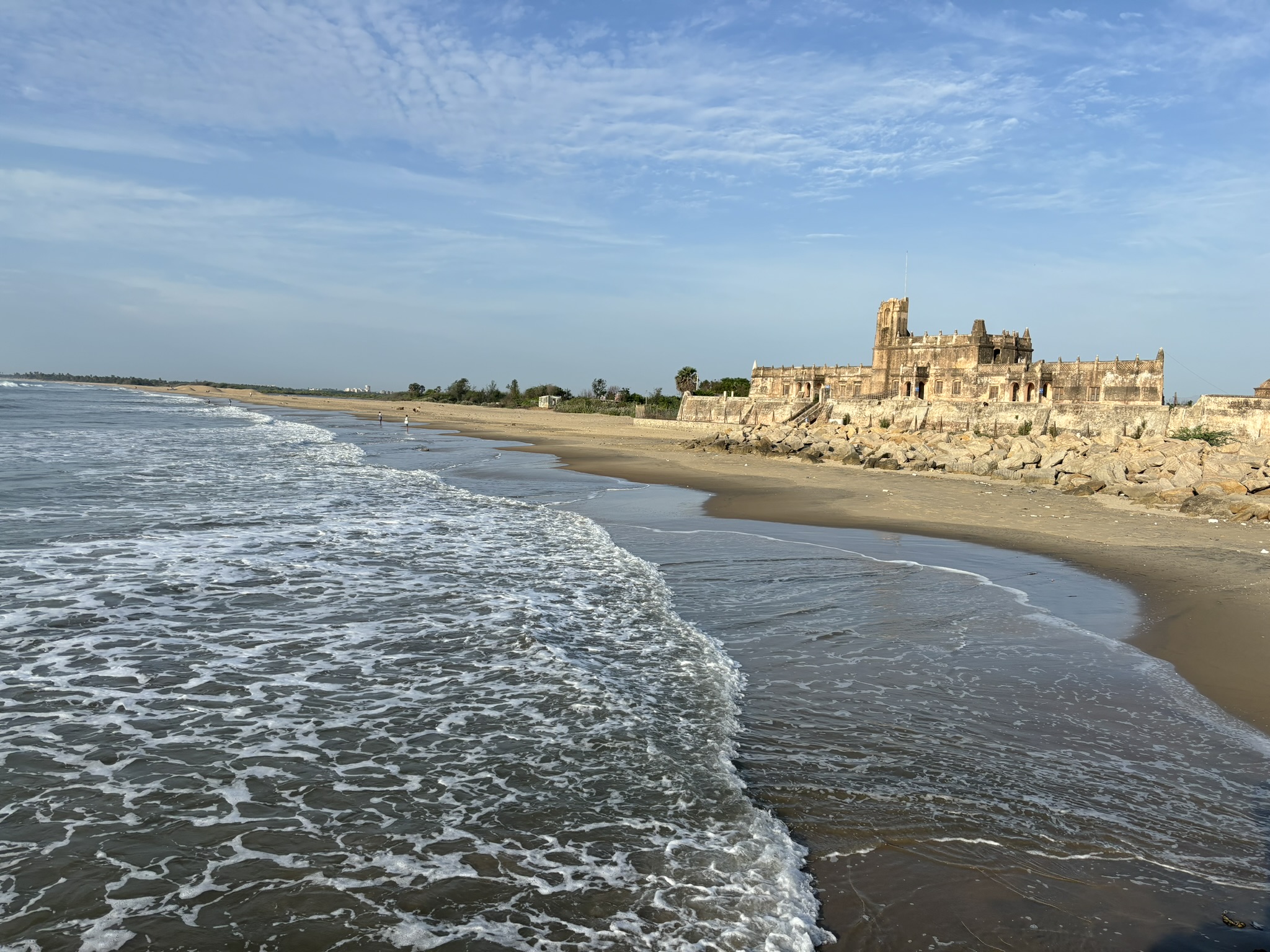
And that, in a nutshell is the backstory of this fishing village where my friends and I arrived, after an intensive, immersive, historical tour of the Chola kingdom and dynasty. Interestingly, Tranquebar is located on the Coromandel Coast which is derived from the word ‘Cholamandalam’ or ‘realm of the Cholas’ Our reasons for visiting Tranquebar/Tharanghambadi had nothing to do with history or the Cholas- all we were looking for was a place by the beach where we could chill and unwind.
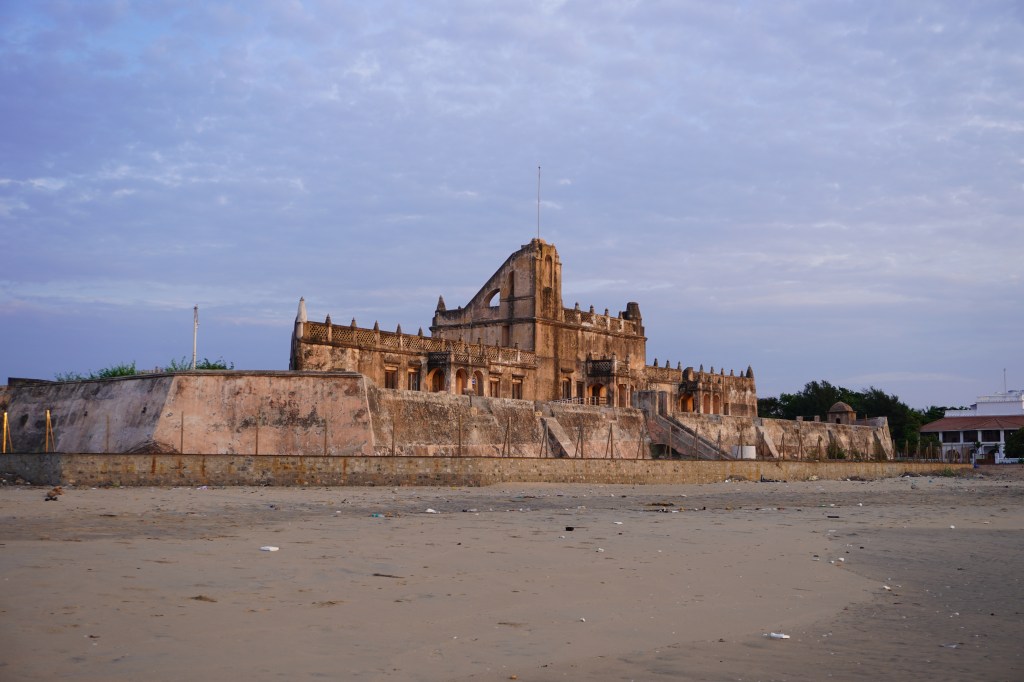
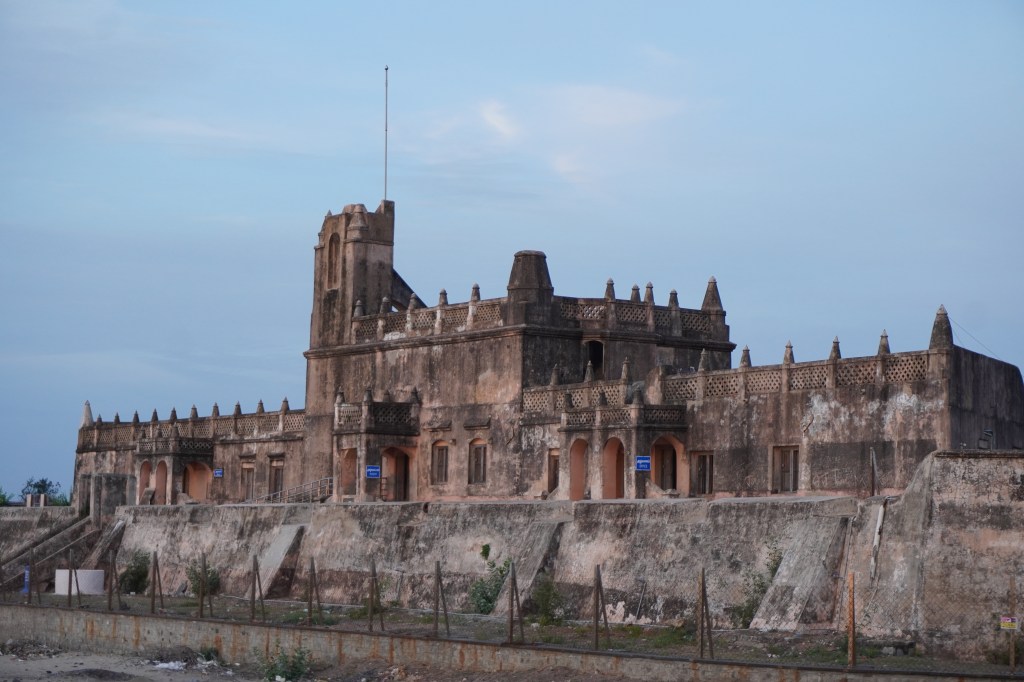
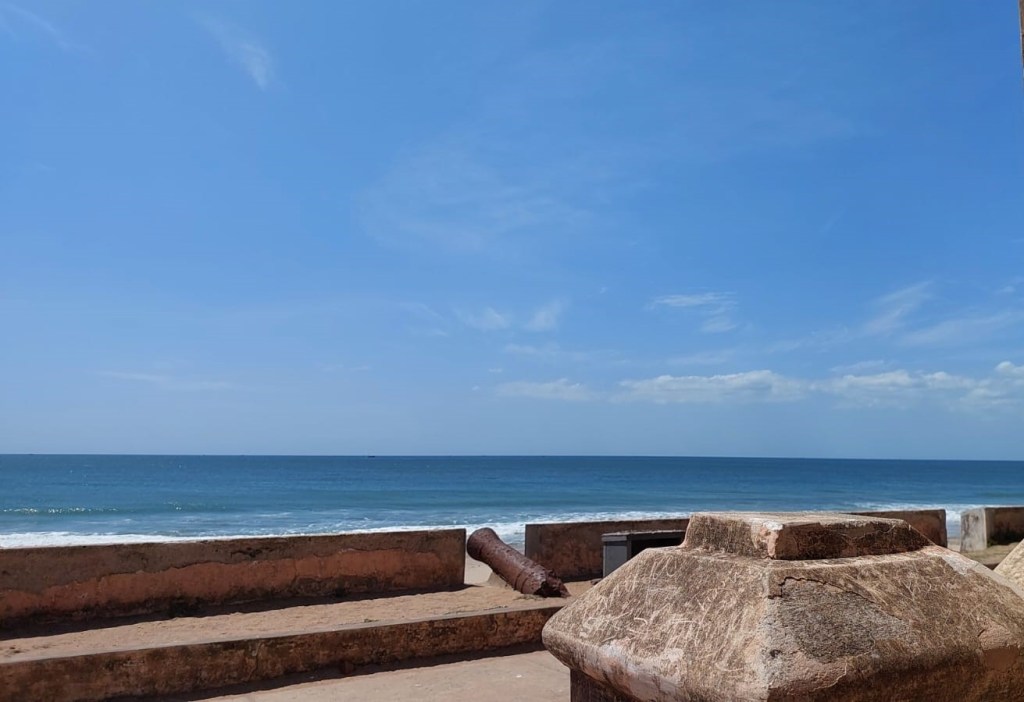
Tharanghambadi houses 10,000 inhabitants, most of whom are engaged in the fishing trade. It has now acquired the status of a heritage town of India. The Danes had made it a walled settlement and in 1791 constructed a ‘Landporten’ or Town Gate, which still stands albeit in a rather dilapidated condition. Also to be seen is the Dansborg Fort which overlooks the sea and was used as a storehouse, lookout and also as a residence for troops.
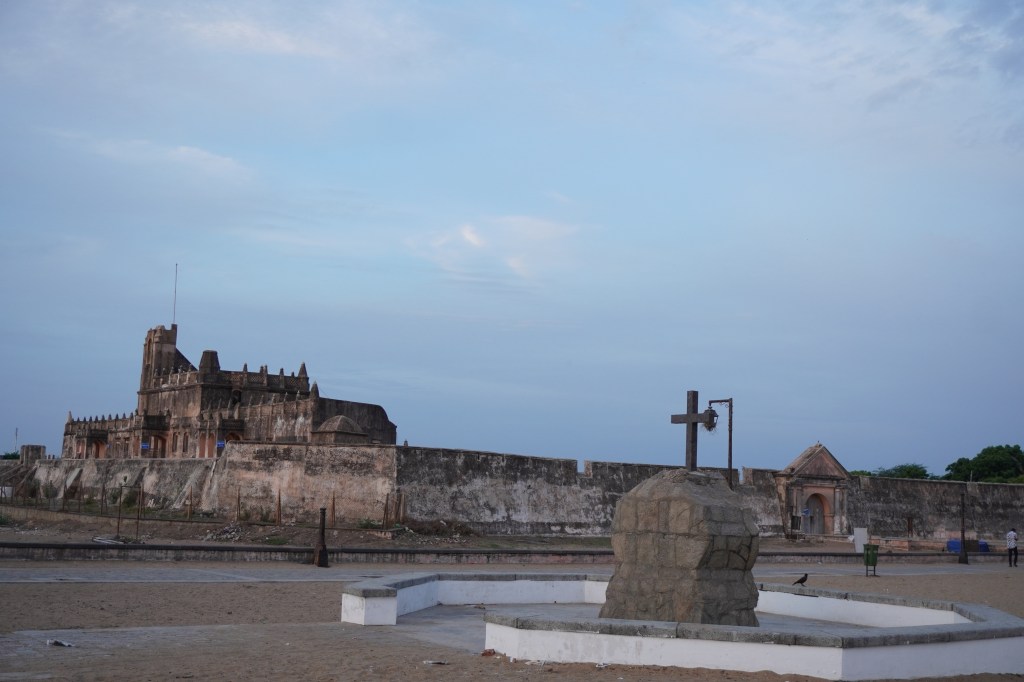
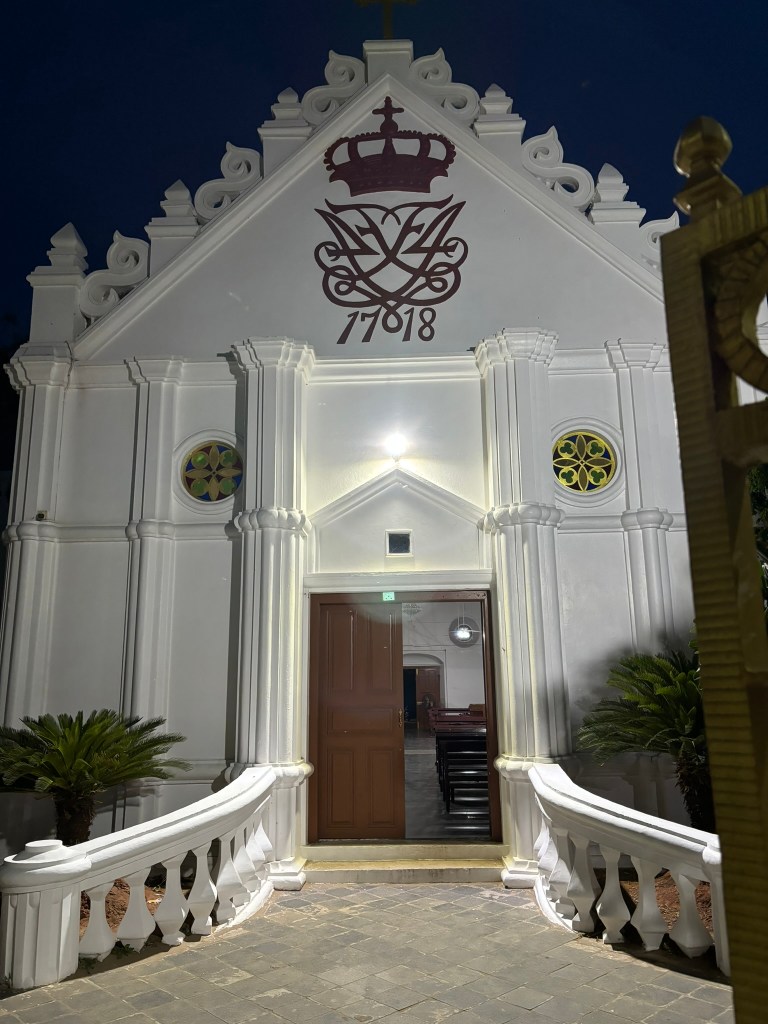
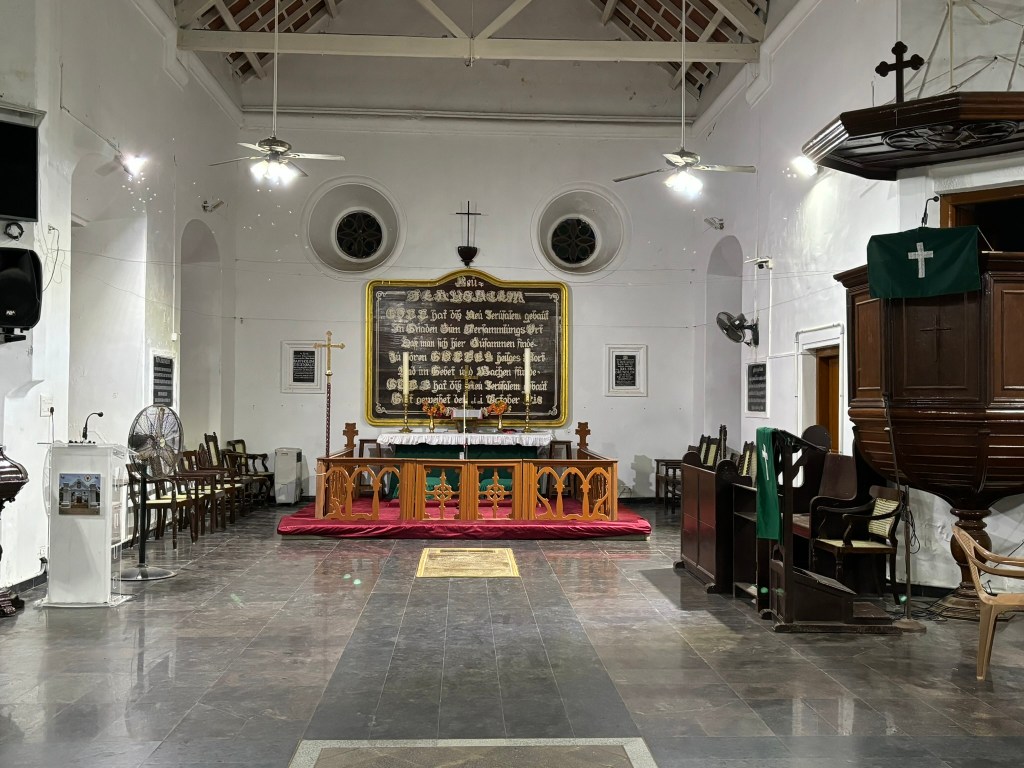
Rewind a little- in 1709, two German missionaries arrived in Tranquebar, filled with missionary zeal towards understanding the local culture and doing social work among the locals (all the better to convert them, my dear!) The first Protestant church came up and (drumroll please…) a printing station. This is known for printing the first, complete translation of the Bible in Tamil; which is also the first translation of the Bible in an Indian language. As an aside- full credit to the person/s who worked on the translation itself. It must have been a humongous task- an alien religion being translated into a local language. The press also worked to release Tamil dictionaries and grammar books among the populace. More missionaries arrived in Tranquebar, set up schools, churches and other institutions. In 1845, the Danes sold out to the British and Tranquebar changed hands hands once more- from the Cholas to the Pandyas, the Marathas, the Danes and finally to the British, till India gained her independence.
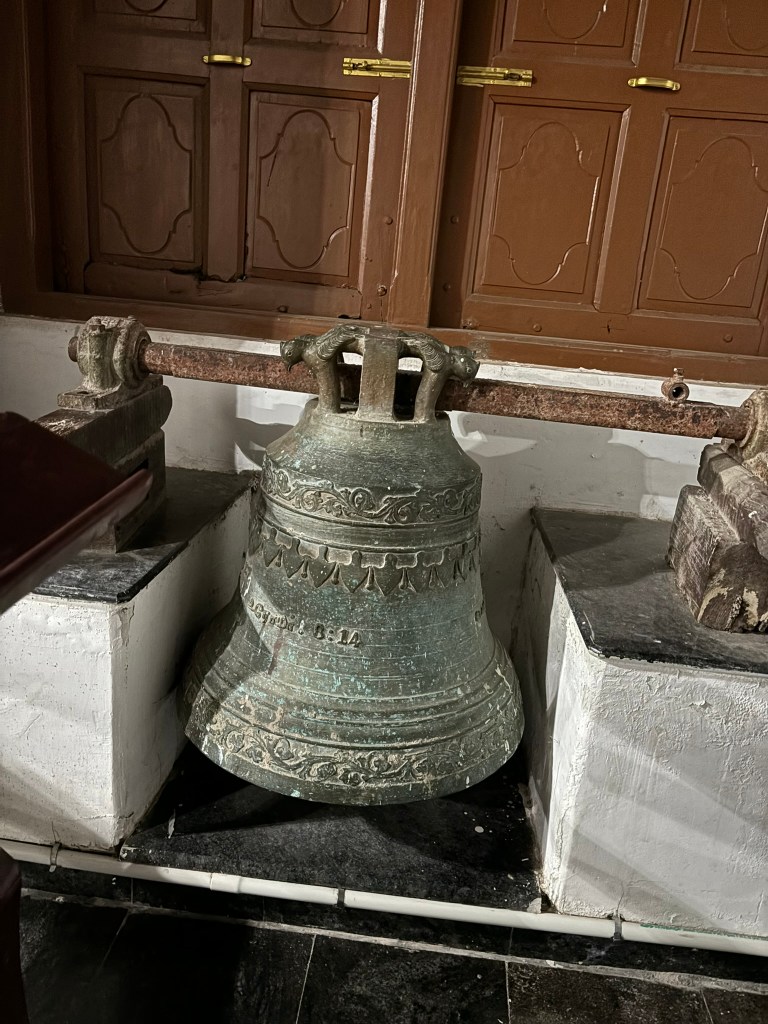
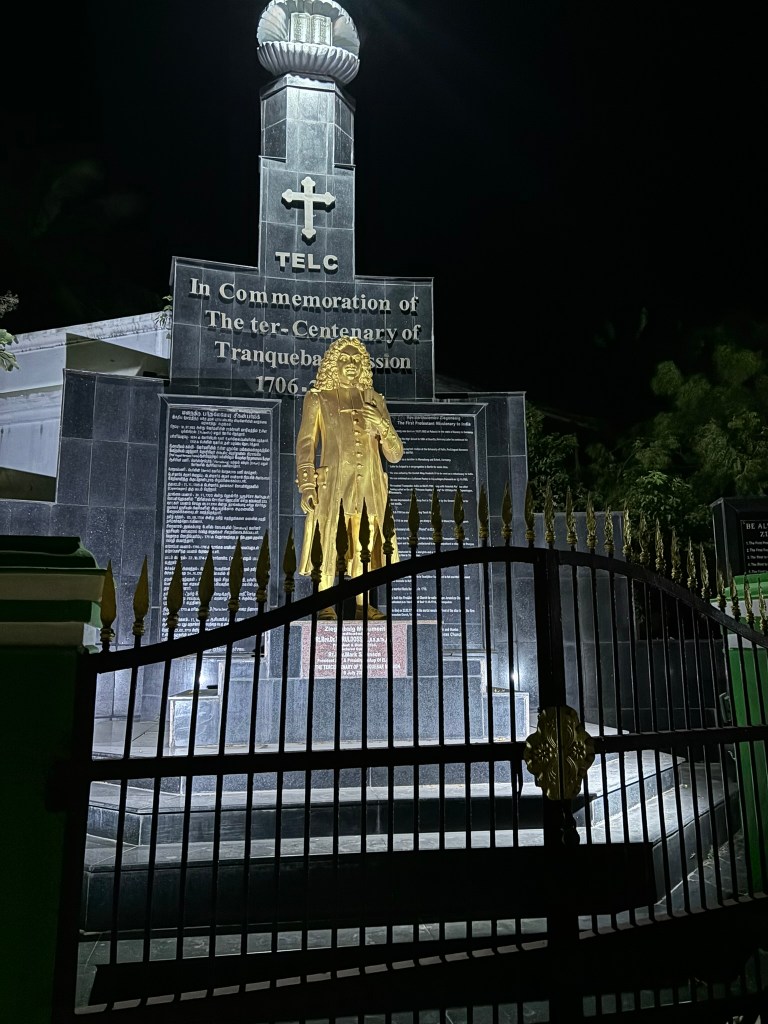
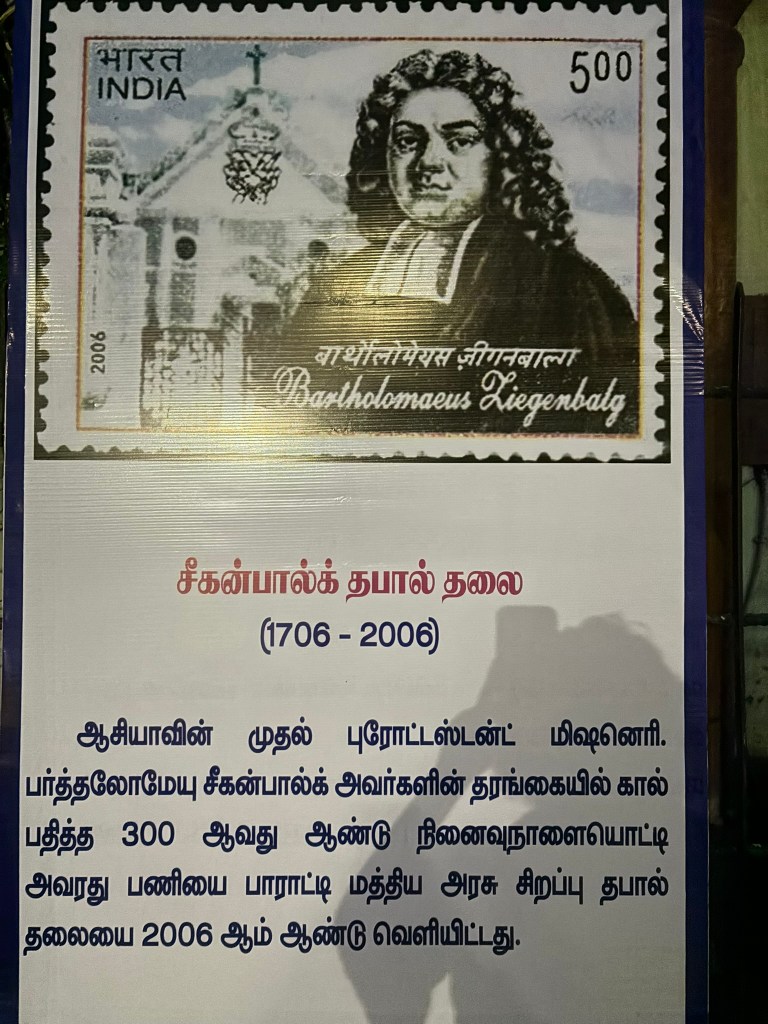
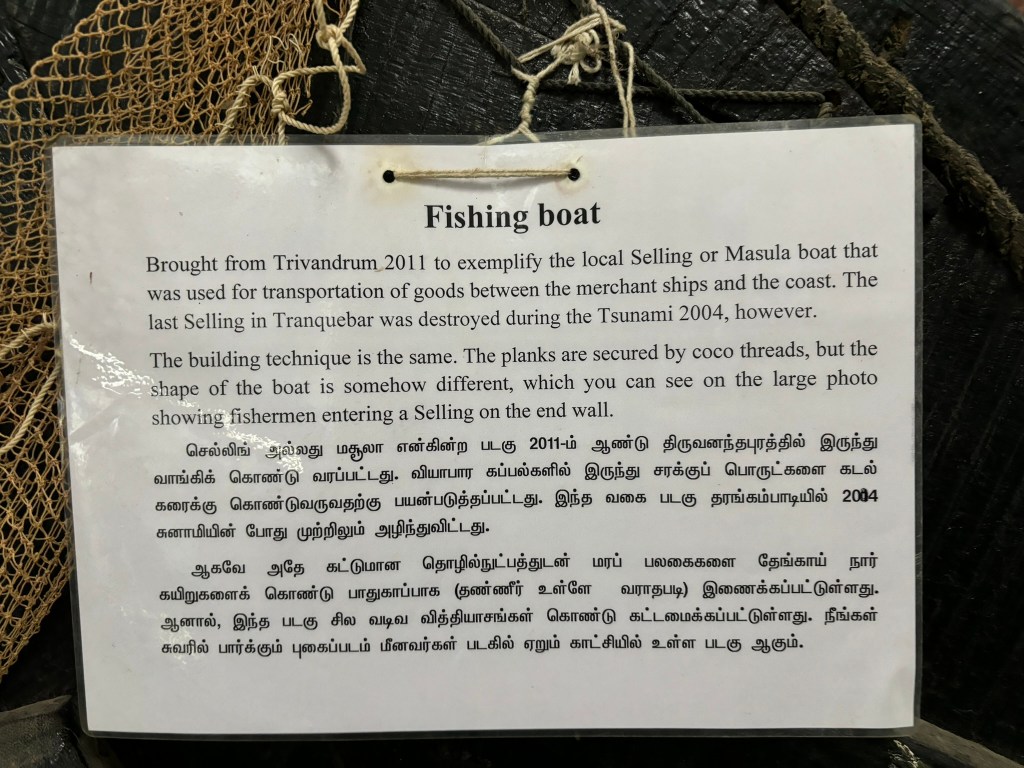
As we wandered the quiet, narrow lanes of this sleepy town, we observed many remnants of the Danish rule. Many had been restored, a few looked run down and neglected. The village was badly hit by the tsunami of 2004 and many houses that were built along the coast had to be moved to the interior. A little along the coast, ahead of the fort is a shore temple that was constructed during the reign of the Pandyas. This 700-year old temple survived the tsunami and is also remarkable for its architecture which is a mix of Tamil and Chinese! Proof that the Chinese used to visit these shores in those days for trade.
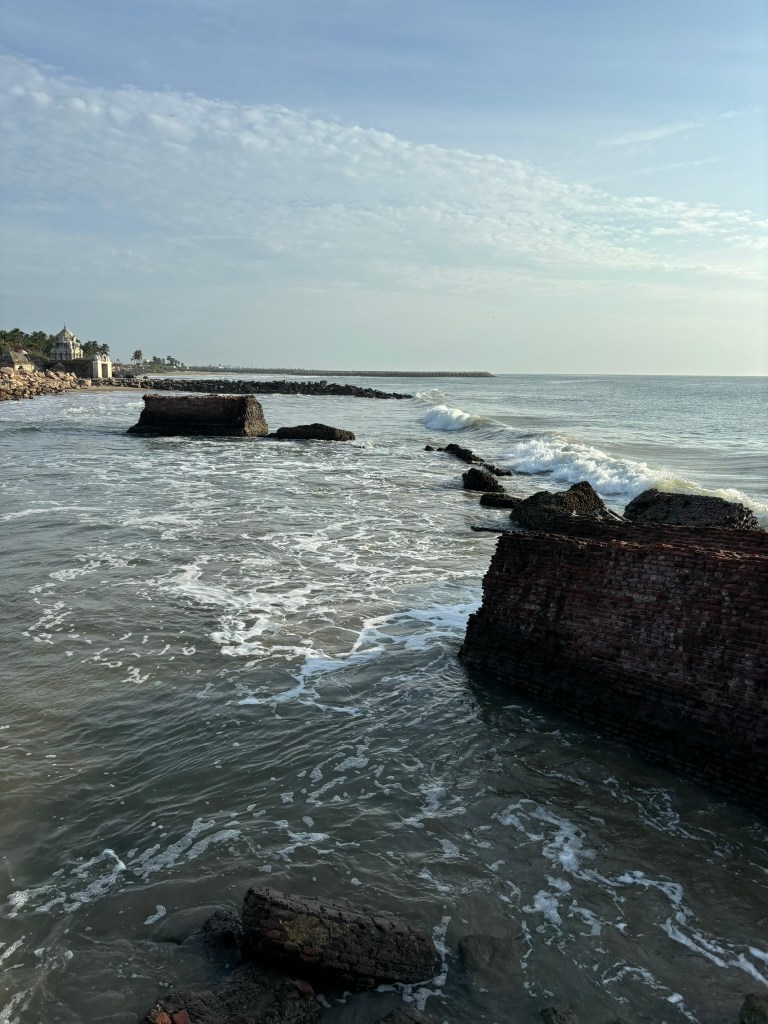
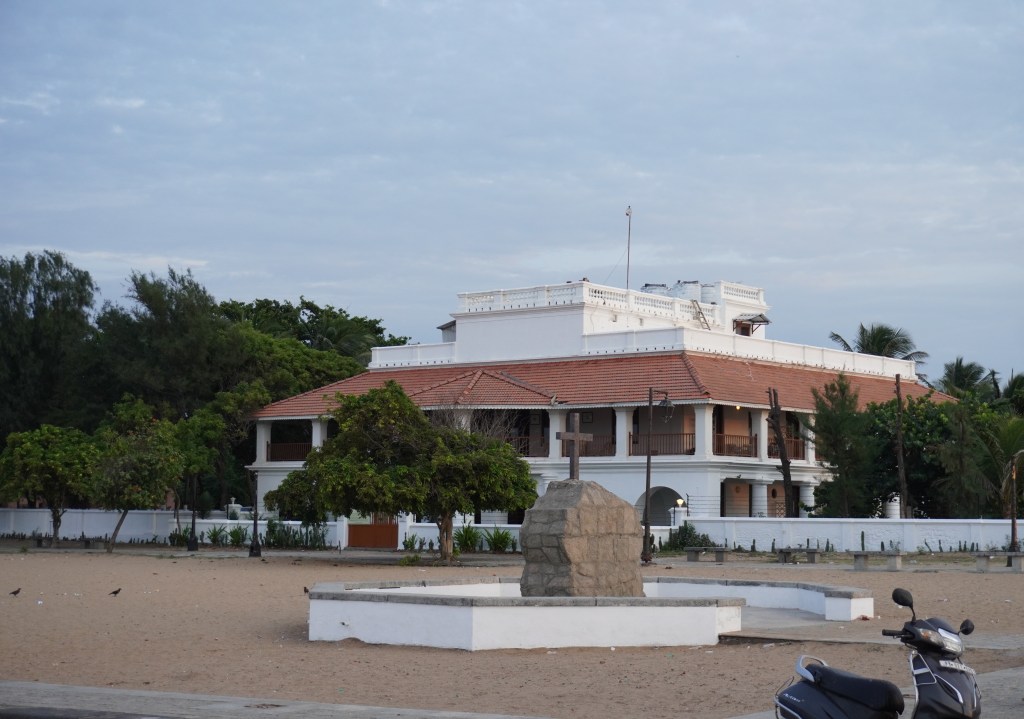
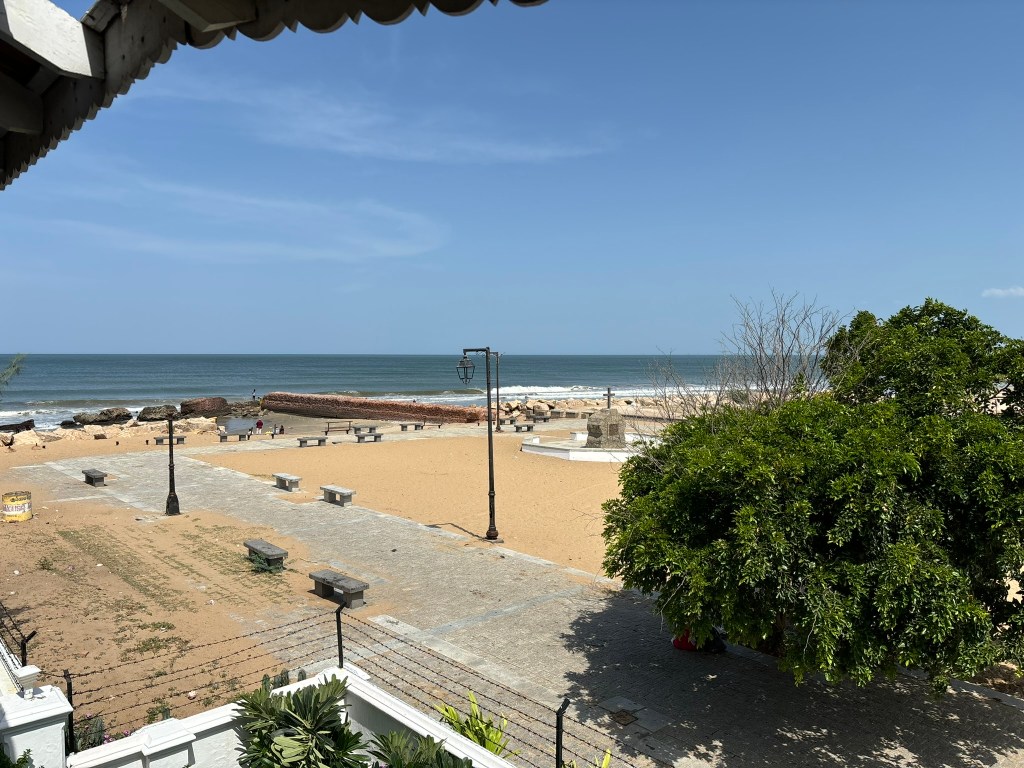
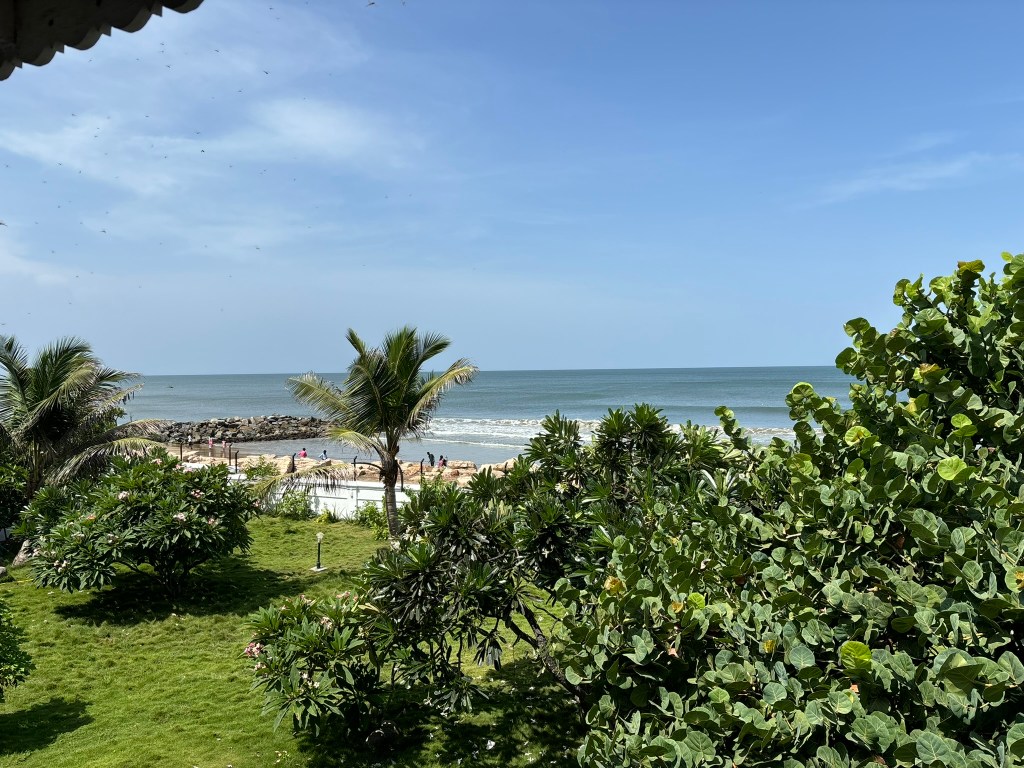
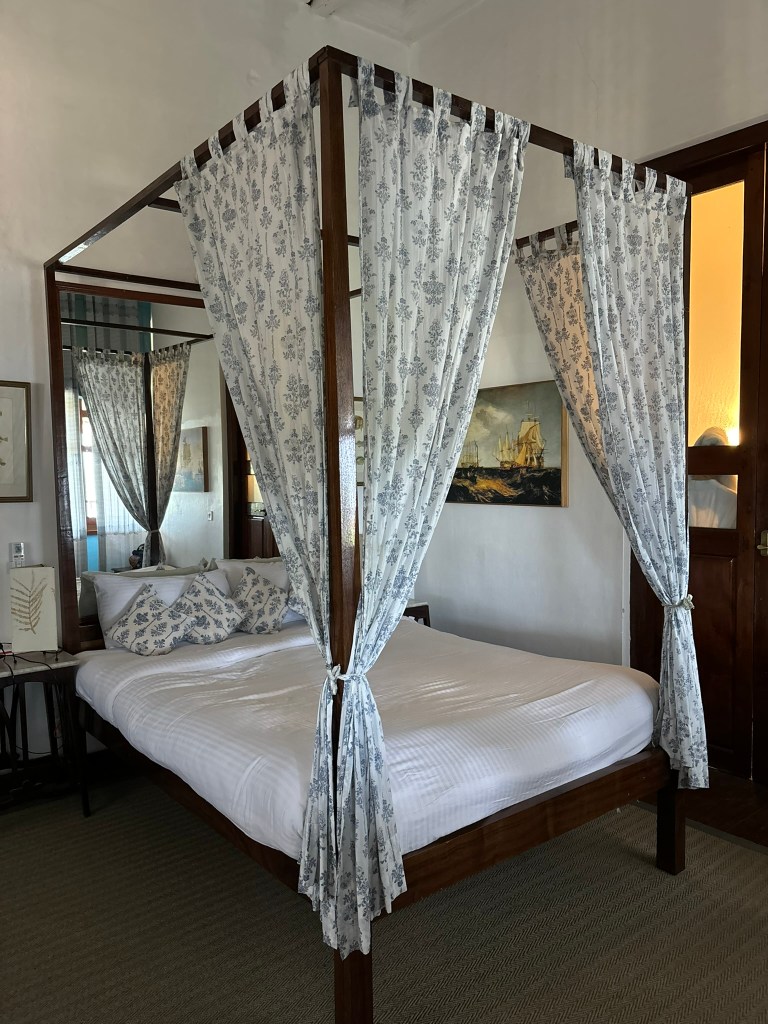
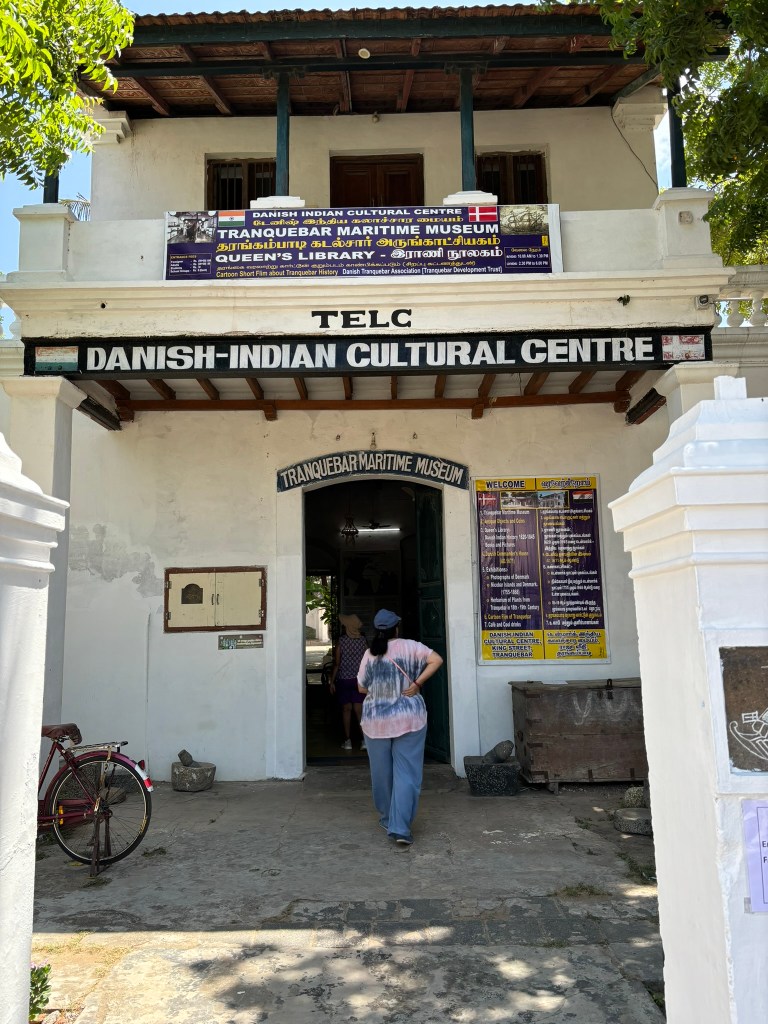
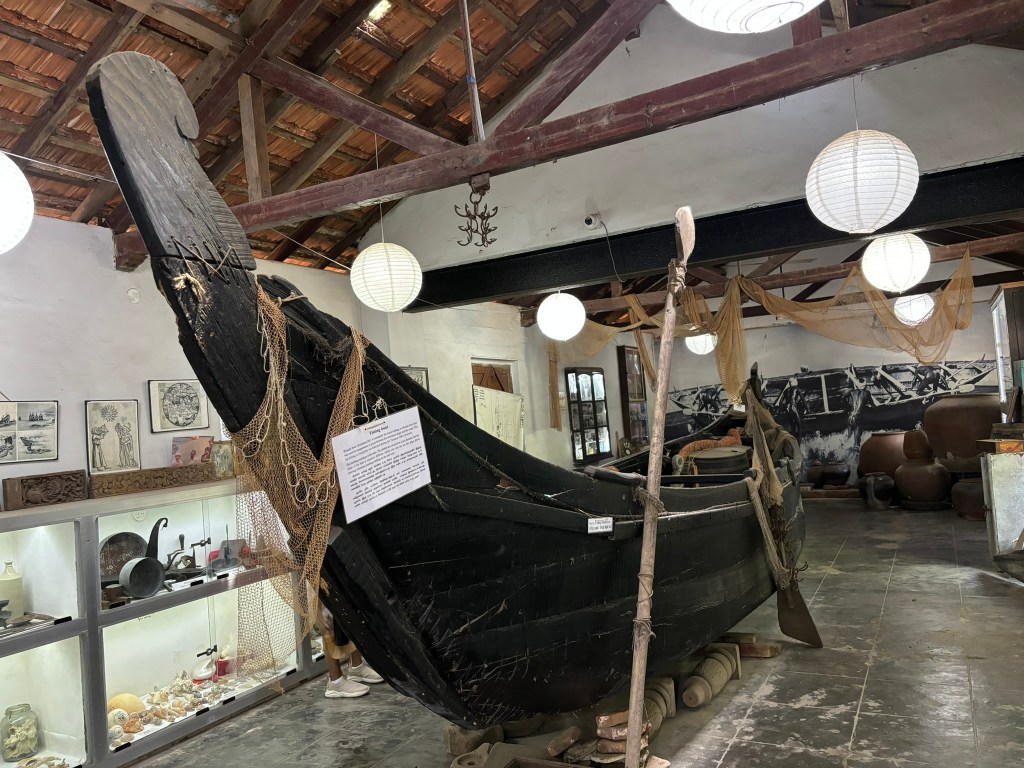
And now for the best part- overlooking the beach is a beautifully grand building which used to be where the British Collector spent his summers. It now goes by the not very imaginative name of ‘Bungalow on the Beach’. But it is also a marvellous hotel where we spent a wonderful day, luxuriating in the serene atmosphere, fantastic view and delicious meals. We listened to the waves and watched them crash upon the rocks that lined the shore, we gazed at the walls of the fort and imagined fleets of ships advancing on them, ready for conquest or trade. We peeped into the museum and tried to visualise how life must have been for the people then- the Danes so very far from home, in this small trading post with its warm humid climate and the locals who saw various rulers, traders and visitors come and go- all giving the place something of themselves and taking back with them memories of this little village on the East Coast of India.
 butterfliesonmymindblog