
The Year: 1857
The place: Lucknow Residency
The Players: Rebels (or Natives) The rebel forces were made up of troops who had gathered from all over the province of Awadh. they were joined by local landlords, villagers and even peasants. They numbered around 36,000.
v/s
The British. There were British soldiers, Indian soldiers loyal to the British, European civilians and merchants, European women and children and even some students from the La Martiniere school. They numbered approximately 1700
The event: A siege that lasted around 6 months.
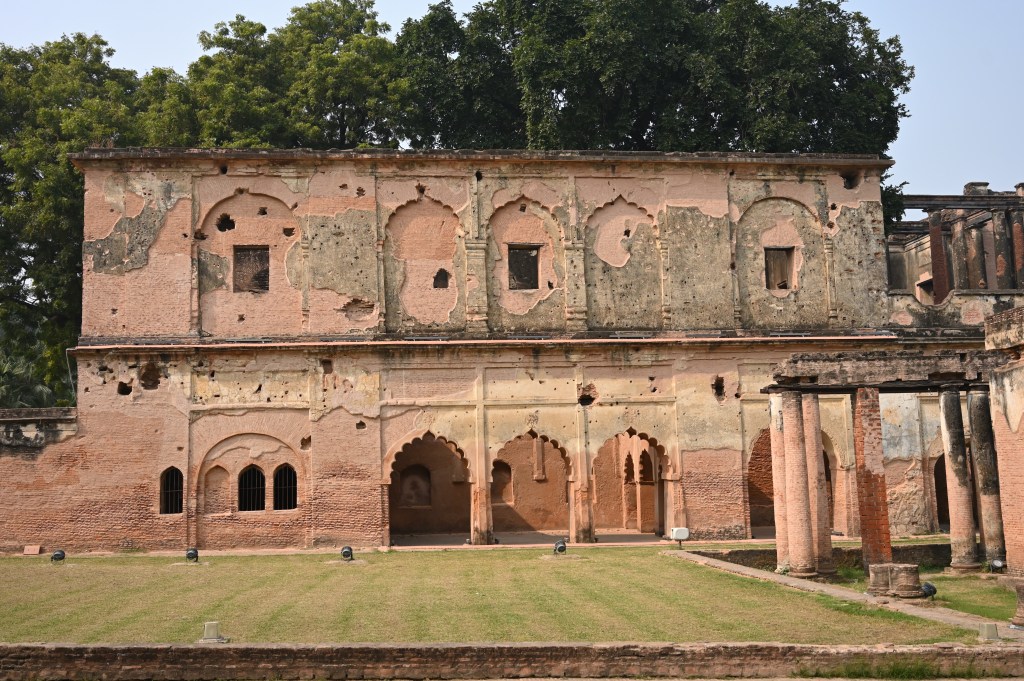
A walk through the grounds of the Lucknow Residency complex is like stepping back in time- a time that has been frozen; because it serves as a stark reminder of one of the most significant periods in the colonial history of this land.
This cluster of buildings is set amidst 40 acres of green parkland, but these ruins once used to be the official residence of the East India Company’s agent, or Resident. The post of Resident was created in 1774 because the Company wanted a representative at the court of Awadh to keep an eye on its interests there.
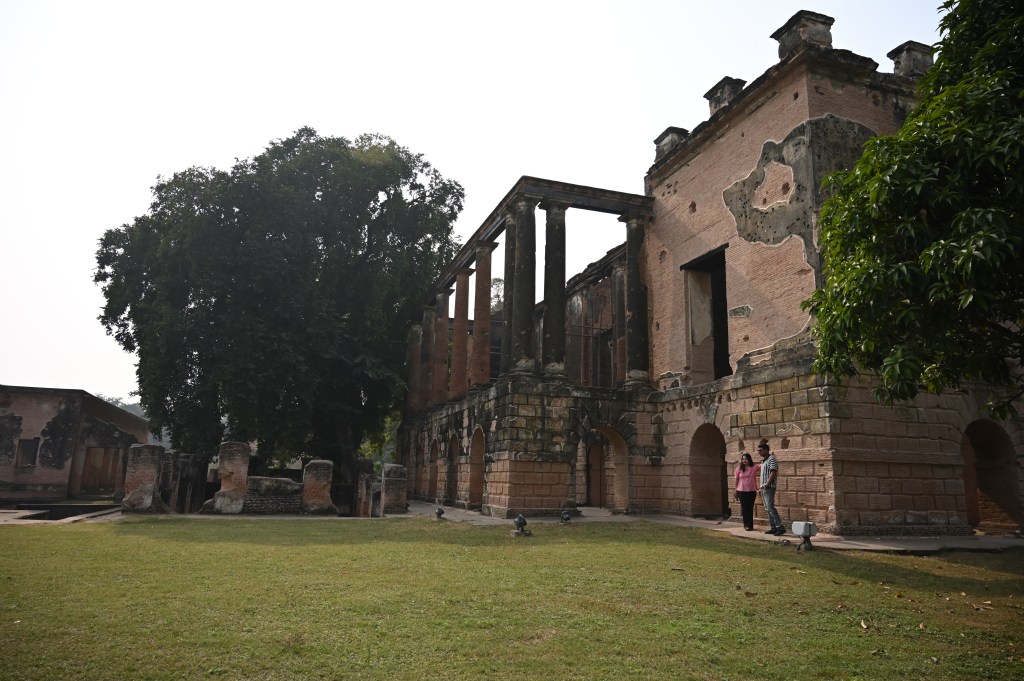
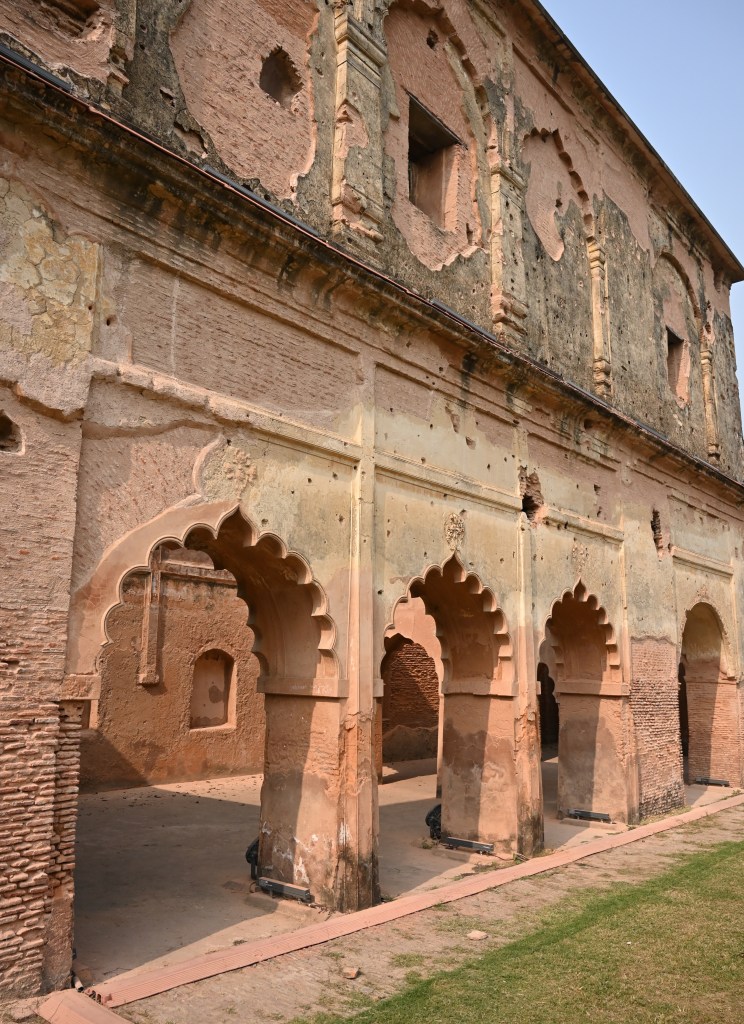
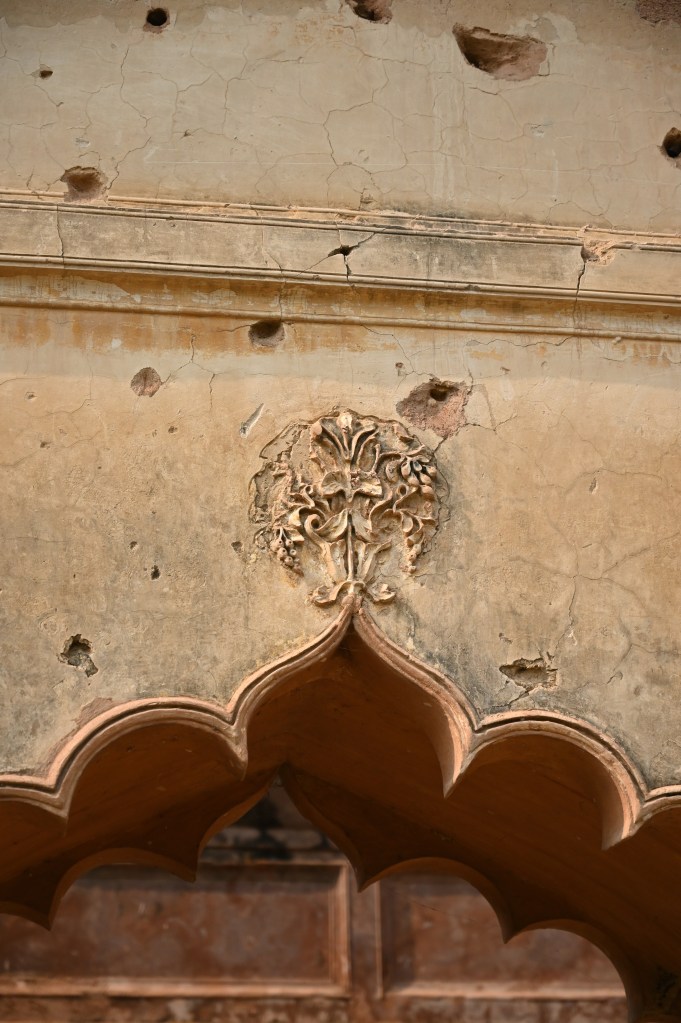
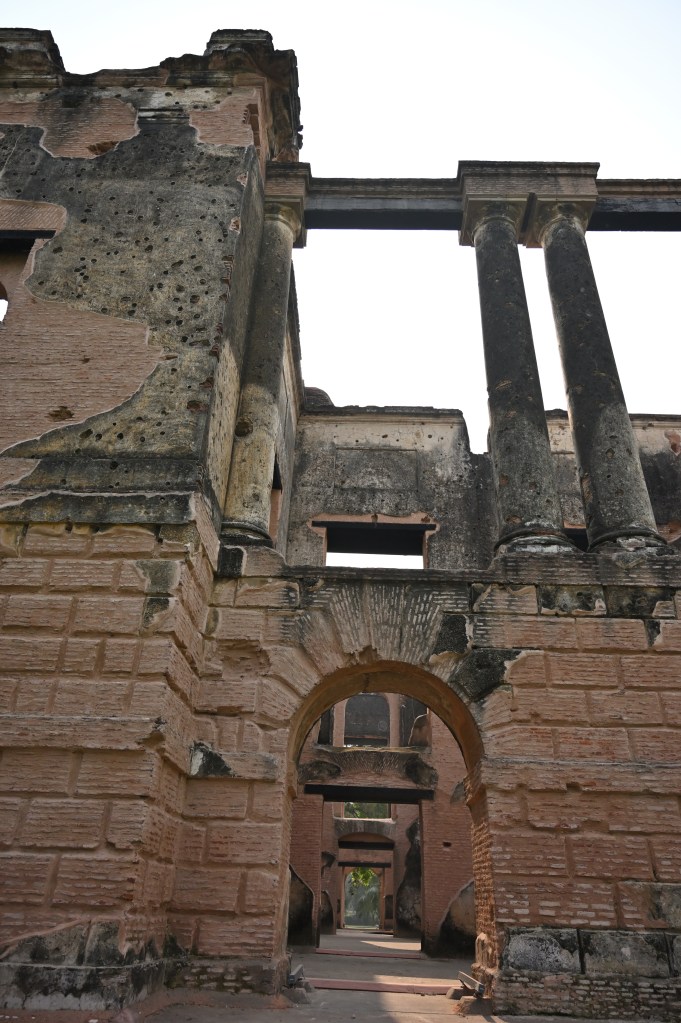
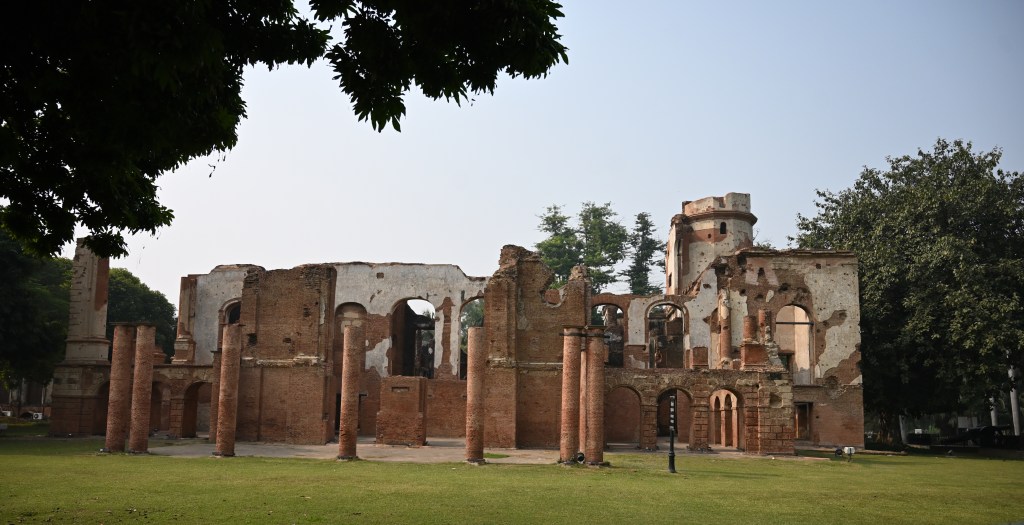
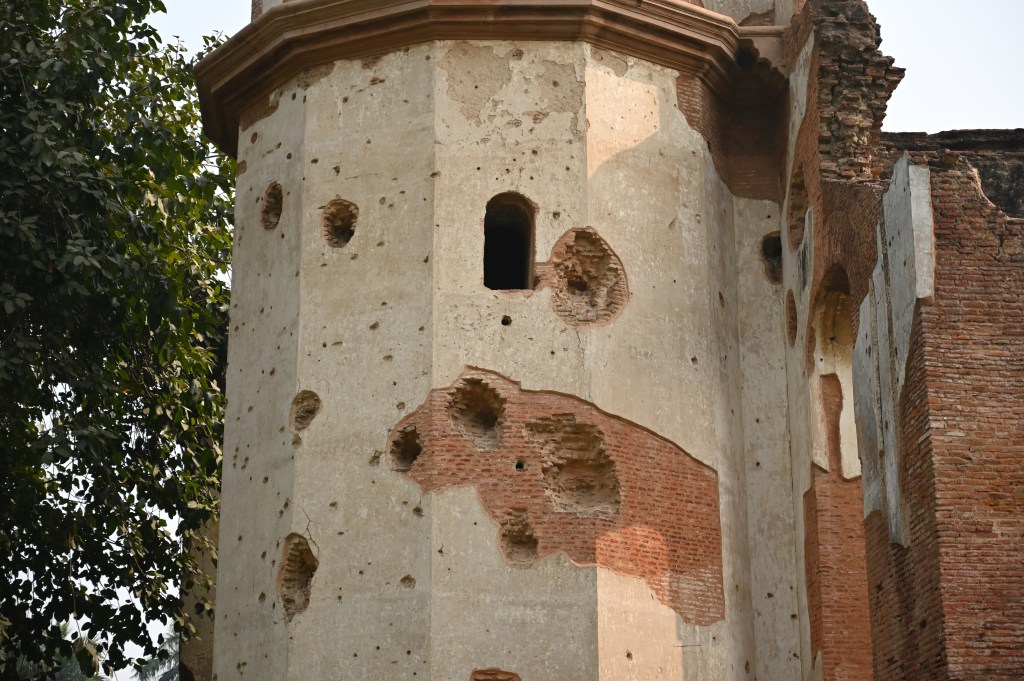
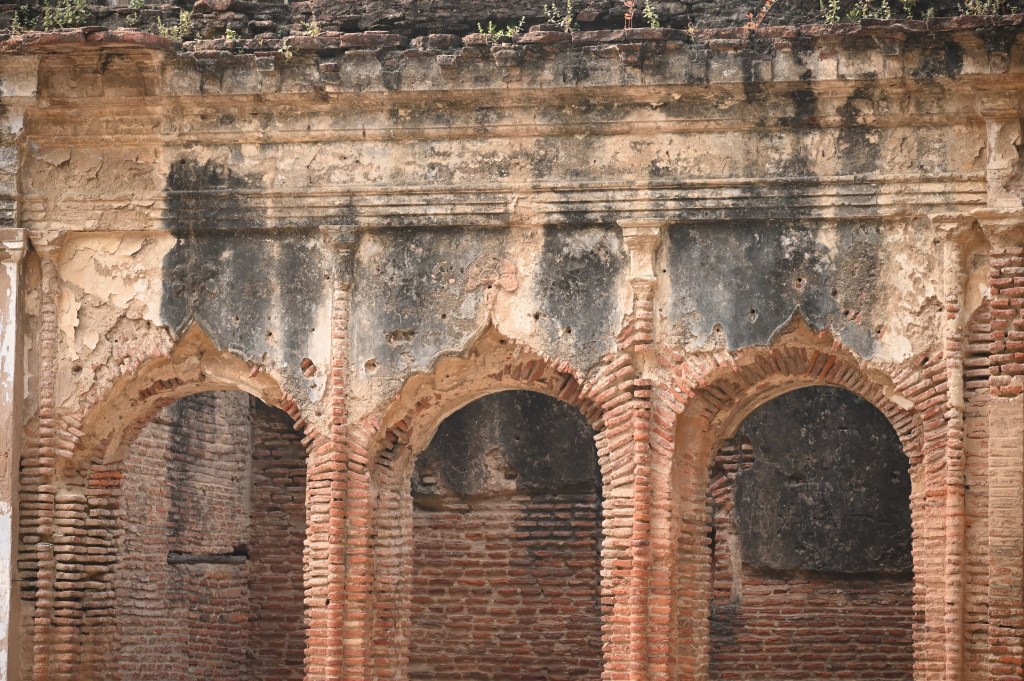
This also happens to be the site of a fierce struggle that took place during the revolt of 1857. The Residency was under siege by the rebel forces for nearly six months. Every building that stands here is battle-scarred, blackened and pock marked- the effects of constant shelling from cannons and rifles. Many buildings crumbled and fell, while others were burned to the ground.
The residency at Lucknow was built at a height on the banks of the Gomti river. It was a strategic location that would protect the occupants from every direction. As the Mughal Empire began to decline, the region of Awadh with Lucknow as its capital grew in stature. A series of events and manoeuvres led to the annexation of Awadh by the East India Company, which sowed the seeds of the revolt that was to follow. Nawab Wajid Ali Shah was exiled, nearly one-third of the soldiers in the Company’s army at Bengal came from Awadh and the discontent which had been long simmering below the surface spread until the ‘peasants in uniform’ finally rebelled.
The uprising began on 10th May in Kanpur and spread rapidly as the rebels moved to take Meerut. As news started coming in of the movements of the rebels, the British families in Lucknow were told to move into the Residency. Sir Henry Lawrence was the Chief Comissioner of Awadh at the time and the garrison was led by a Brigadier Ingliss. For the rebels, occupying the Residency would mean an end to the British rule as it was the seat of much hated administration that had annexed Awadh.

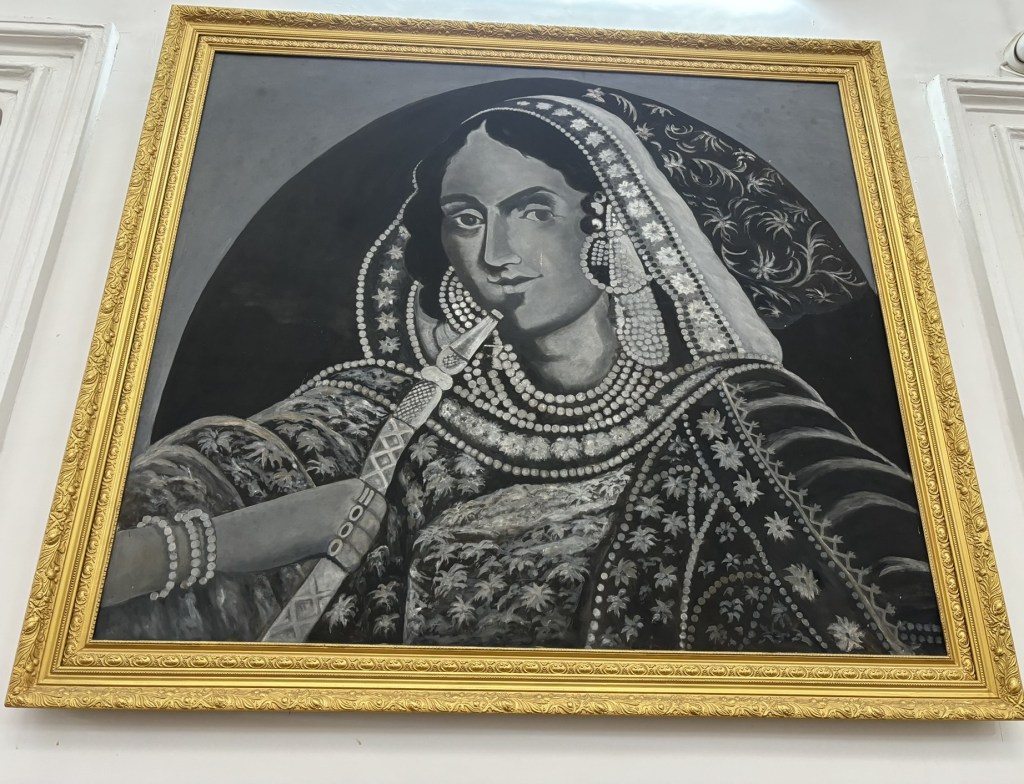
Begum Hazrat Mahal, one of the Nawab’s wives, had stayed back to lead the forces of rebellion against the Company. Her close confidant was Raja Jai Lal Singh who took all military decisions. Another leader of the rebels was Maulvi Ahmadullah Shah, who was in contact with Kunwar Singh and Nana Saheb. They were joined by Tatya Tope and Rani Laxmibai as the uprising progressed and more and more of the landed aristocracy and landlords came to their support.
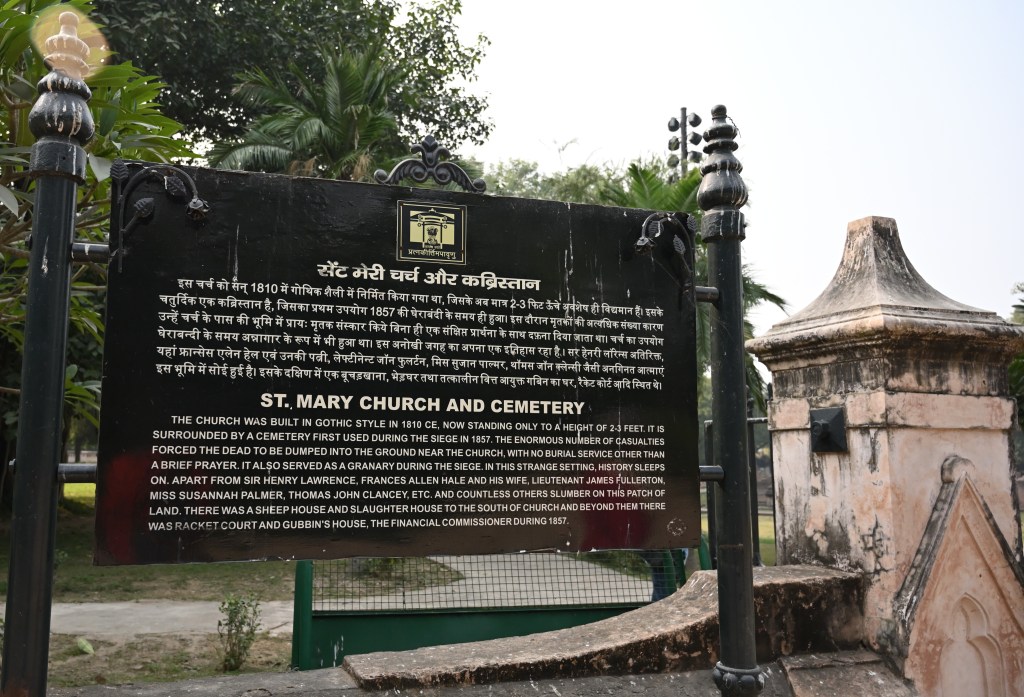
Tensions built up as the 1700 odd occupants of the Residency began to fortify themselves and prepare for the siege. Prayers were held at the church in the Residency complex on June 14th. This was the last time that church was used for prayers. After that it had to be converted into a storehouse for grain.
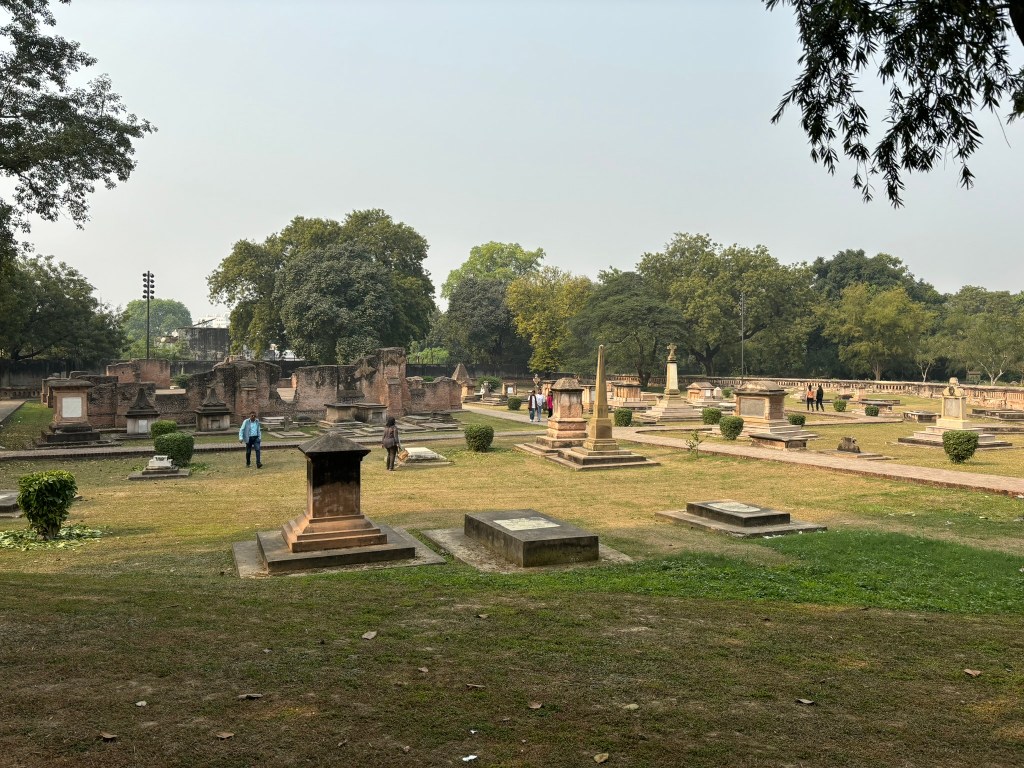
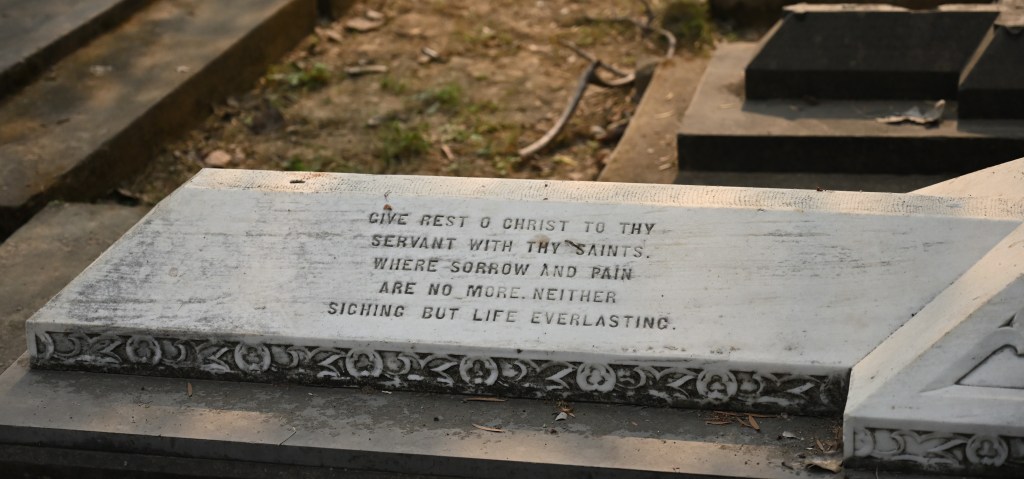
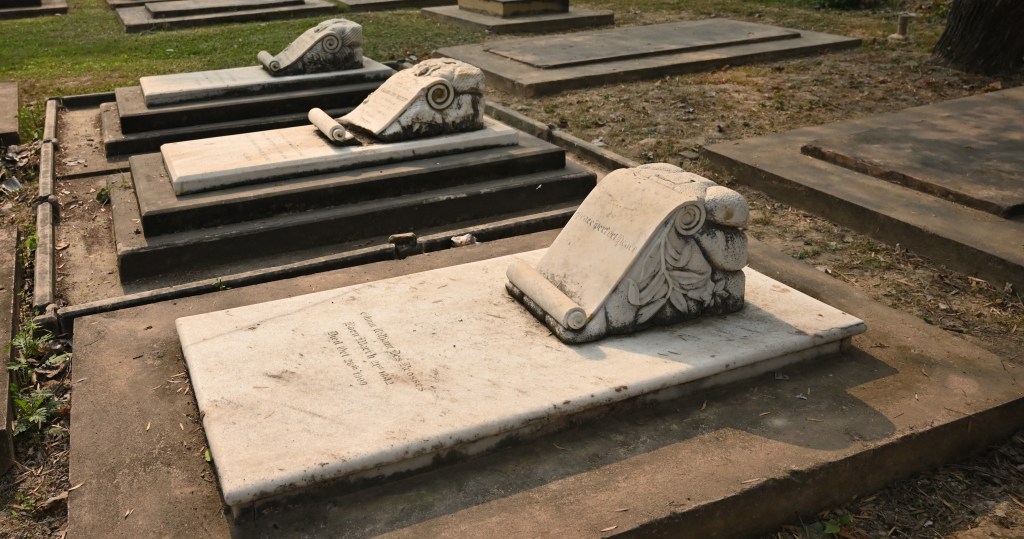
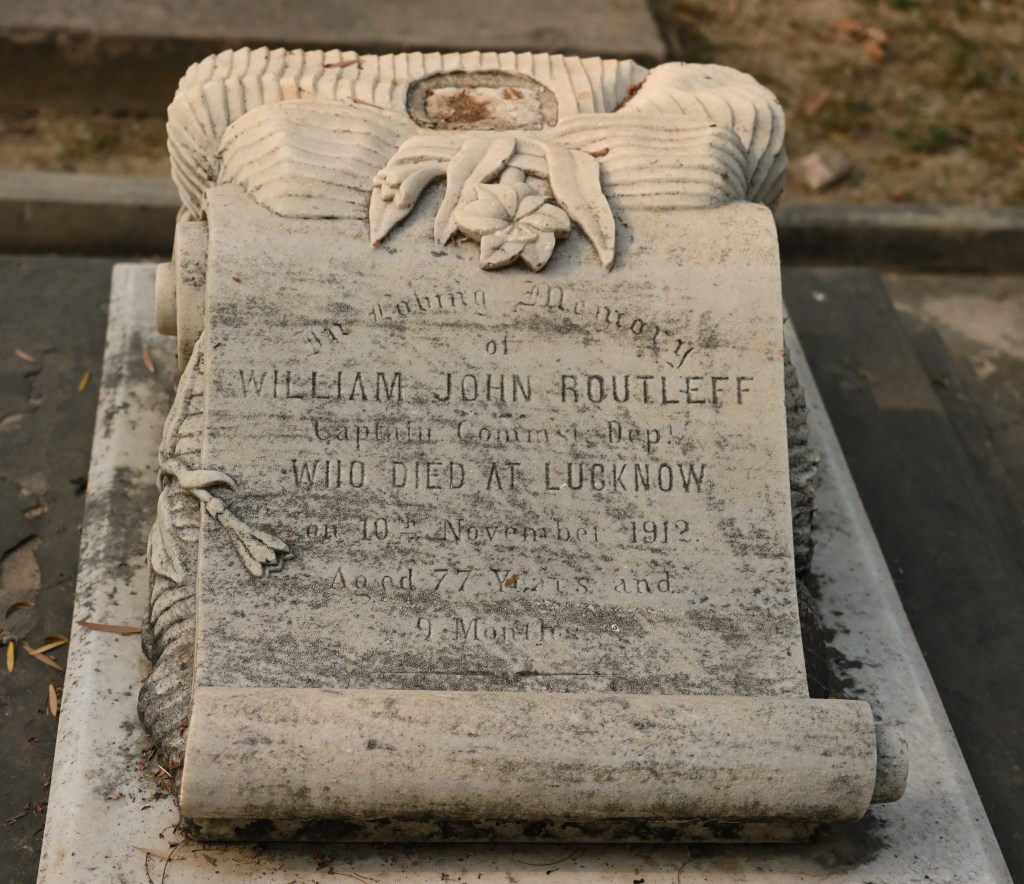
None of the buildings at the Residency had been built for military purposes. They were for ceremonial occasions. Fortifying them and the complex itself became a challenge. Many outlying buildings were pulled down. A banquet hall was converted into a hospital. The wives of the British officers were made to shelter in the Jail and the wives of the soldiers in the ‘tykhana’ or underground rooms. The Residency was surrounded by mosques and temples which were used as observation posts by the rebels or hiding places for snipers.
By June, all of Awadh had been taken over by the rebels. Only the Residency remained. The mutineers who surrounded the Residency were mostly soldiers from the Company army; well-trained, armed and powerful. They outnumbered the forces at the Residency who counted among themselves some native artillery and infantry and only one full European regiment. The remaining were women, children, household help and civilians. There were also some boys from the La Martiniere school who had taken refuge in the Residency.
The firing began on 1st July and on 4th Sir Henry Lawrence was killed. The command of the Residency was taken over by Brigadier Ingliss. The British side suffered heavy casualties. They began running low on supplies, sanitation and hygiene became a major problem. The seige dragged on till September and the end of the monsoon. A small relief force managed to reach Lucknow but they were unable to break through the seige and were beaten back.

In November the British forces led by Colin Campbell managed to partially lift the siege. They were able to evacuate the wounded, the women and children. Although Lucknow still remained with the rebels, the six month long siege of the Residency had finally ended. And on March 21st 1958, Lucknow was occupied by Campbell’s forces. The uprising was over.
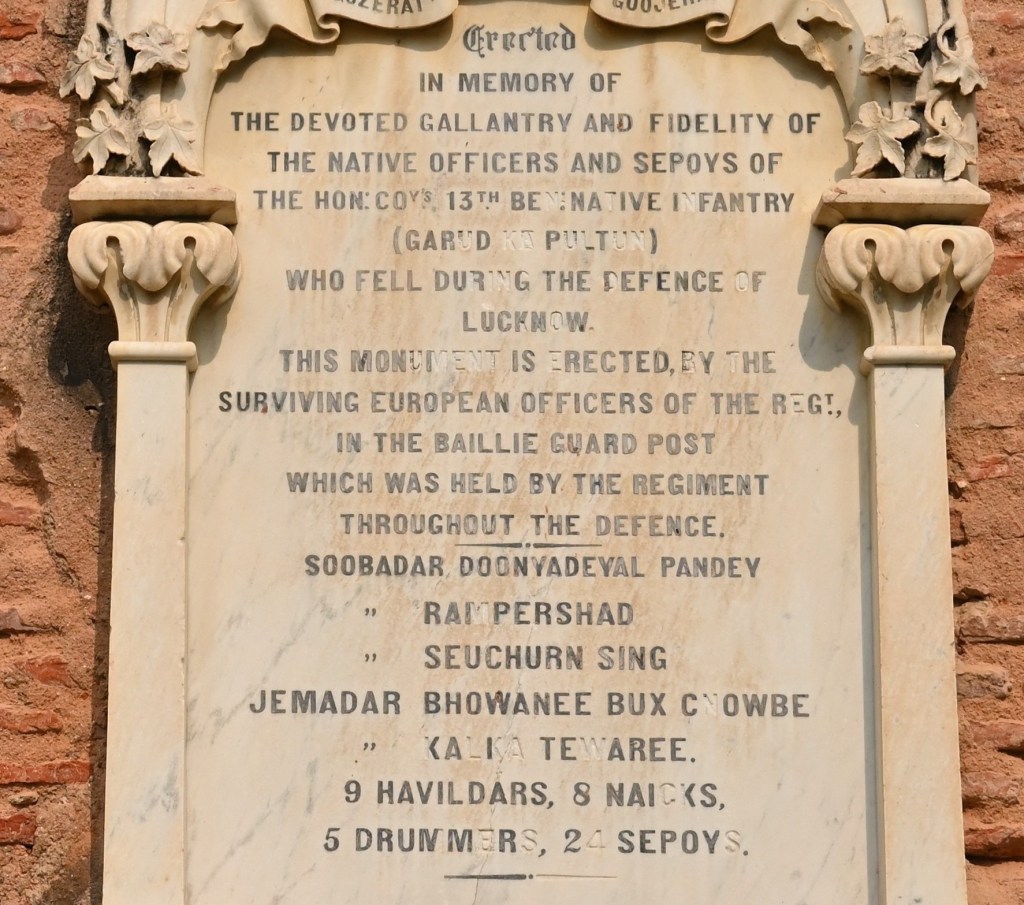
Once Lucknow was reclaimed by the British, it was as if time came to a standstill at the Residency. The buildings that had survived the siege were left standing- bearing the marks of the relentless shelling, canonball shots and bullet scars. The city of Lucknow itself underwent some drastic changes in the form of a colonial makeover. But the Residency was left untouched as it was witness to “one of the most dramatic sieges of all time.”
Awadh, along with the rest of India was brought under the British rule for almost another 100 years. The Proclamation of Queen Victoria was read out at Allahabad (now Prayagraj) and India was now ruled by the Crown, not the Company.
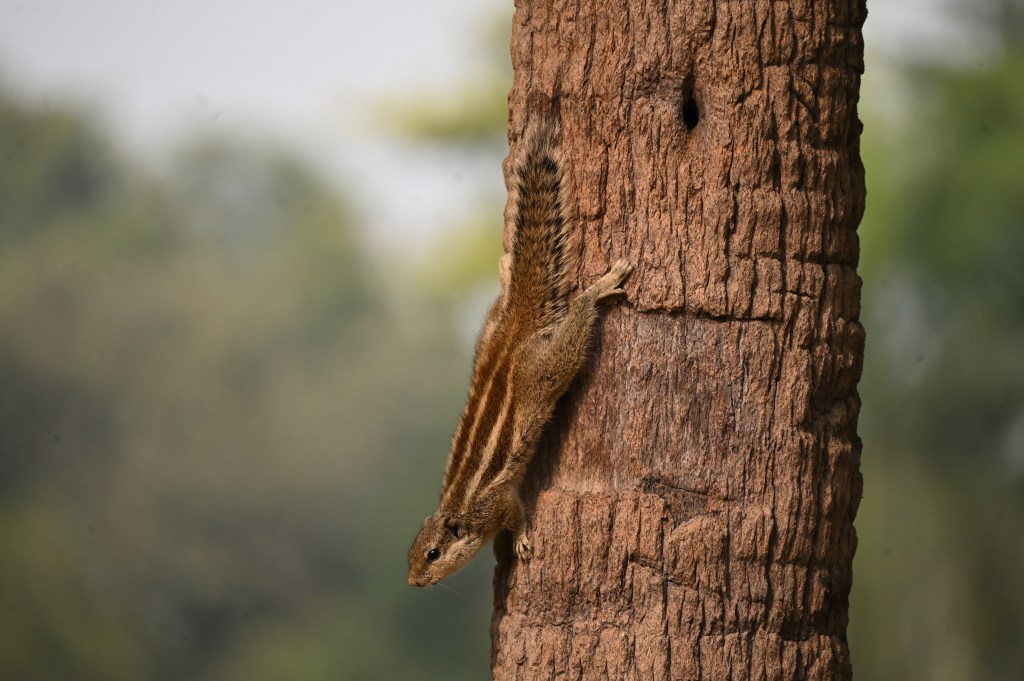
As one wanders the quiet and serene grounds of the Residency, there is an eerie kind of calm that makes a person want to speak in a hushed tone. This is not a happy place. Only this squirrel scampering up and down the trees that grow near the cemetery seems unconcerned by all the events that took place here, more than a 100 years ago.
 butterfliesonmymindblog