
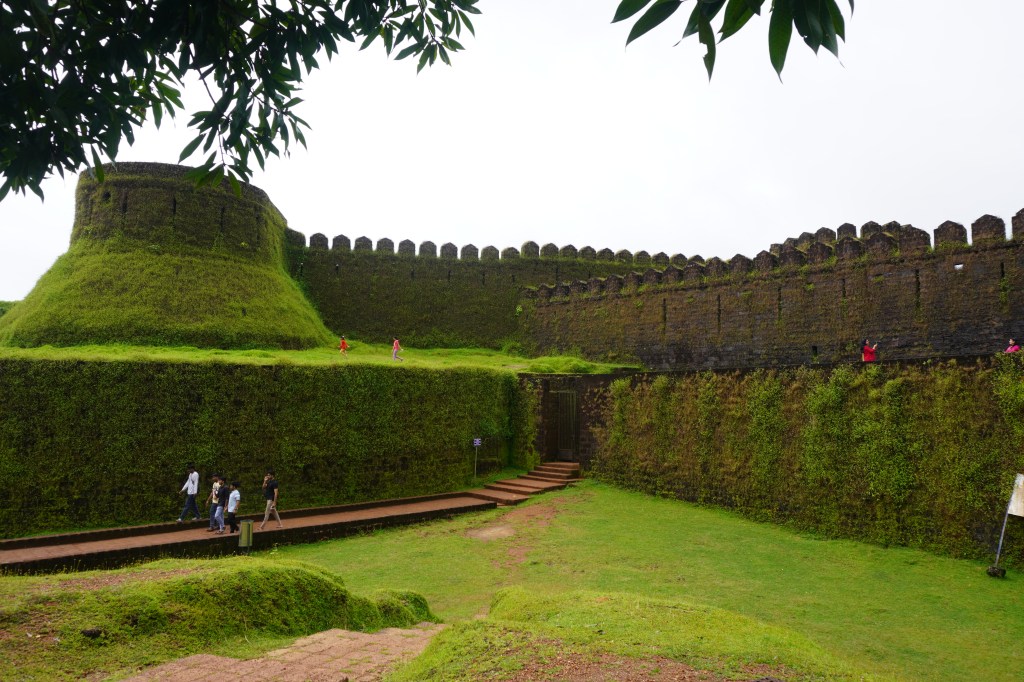
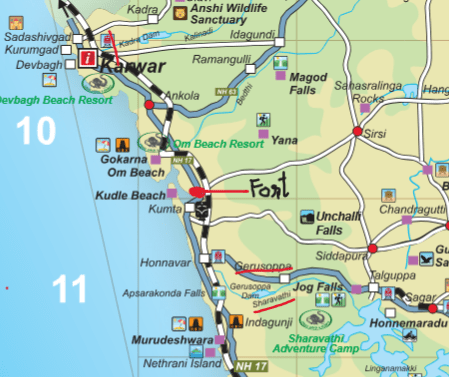
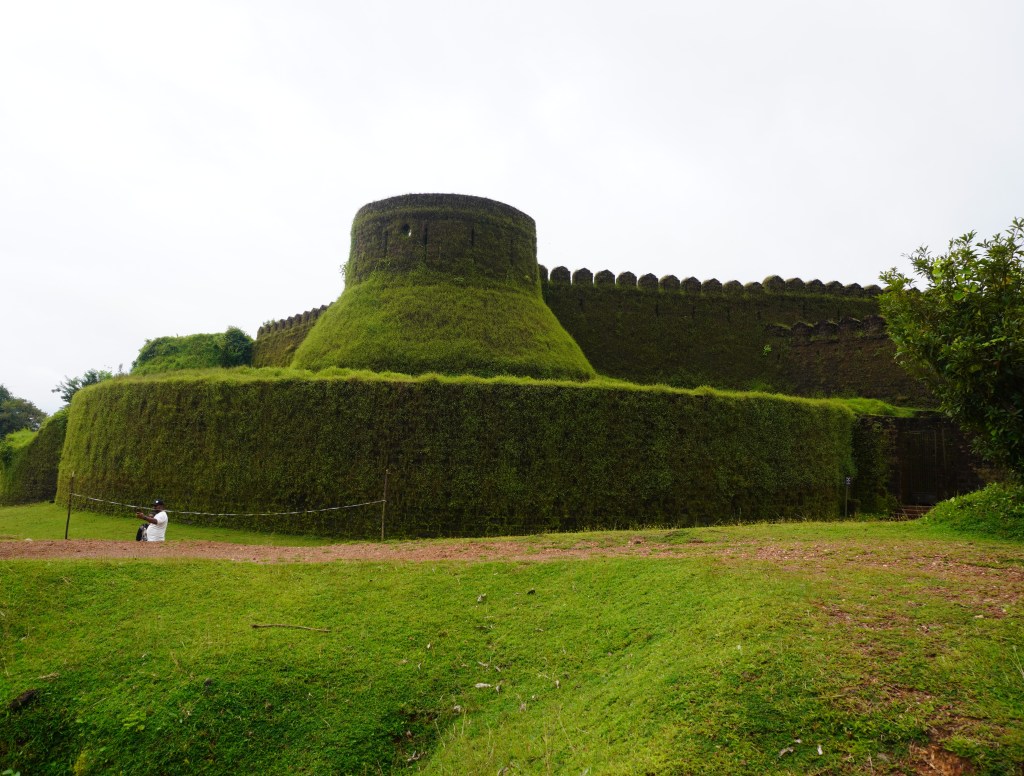
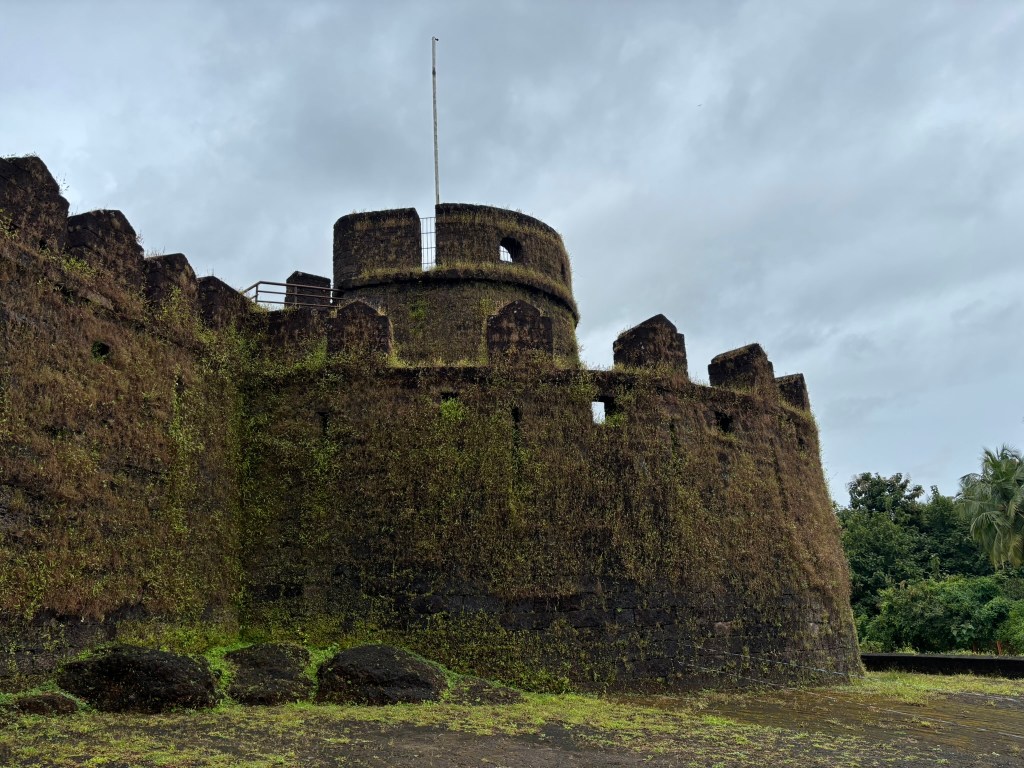
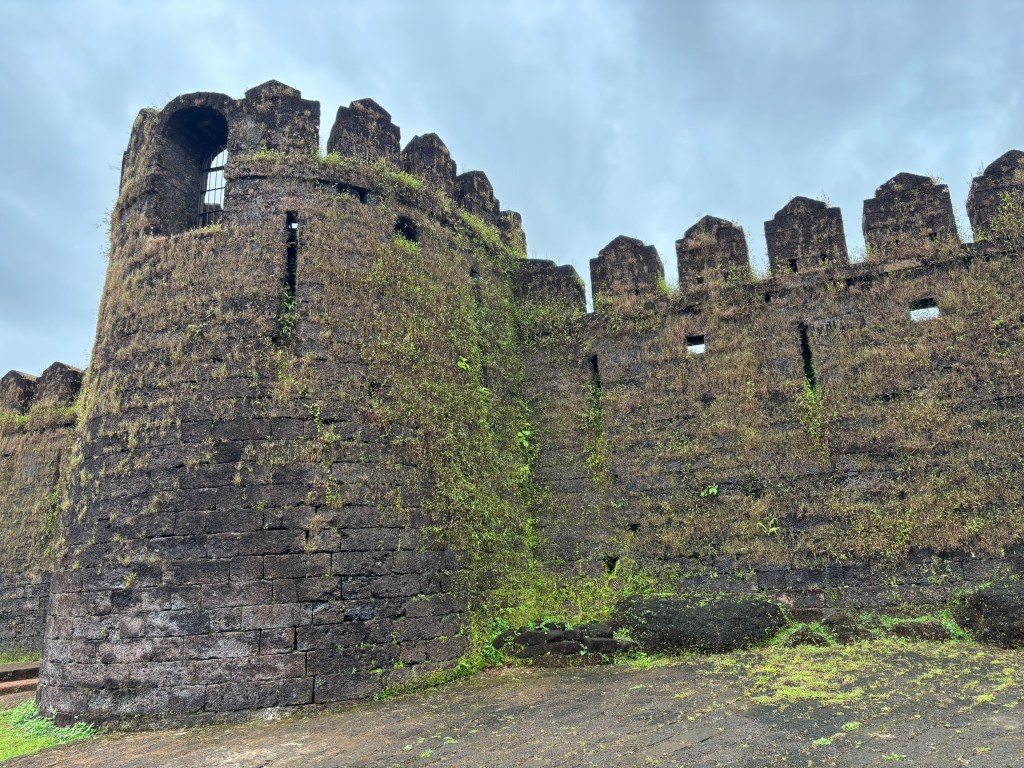
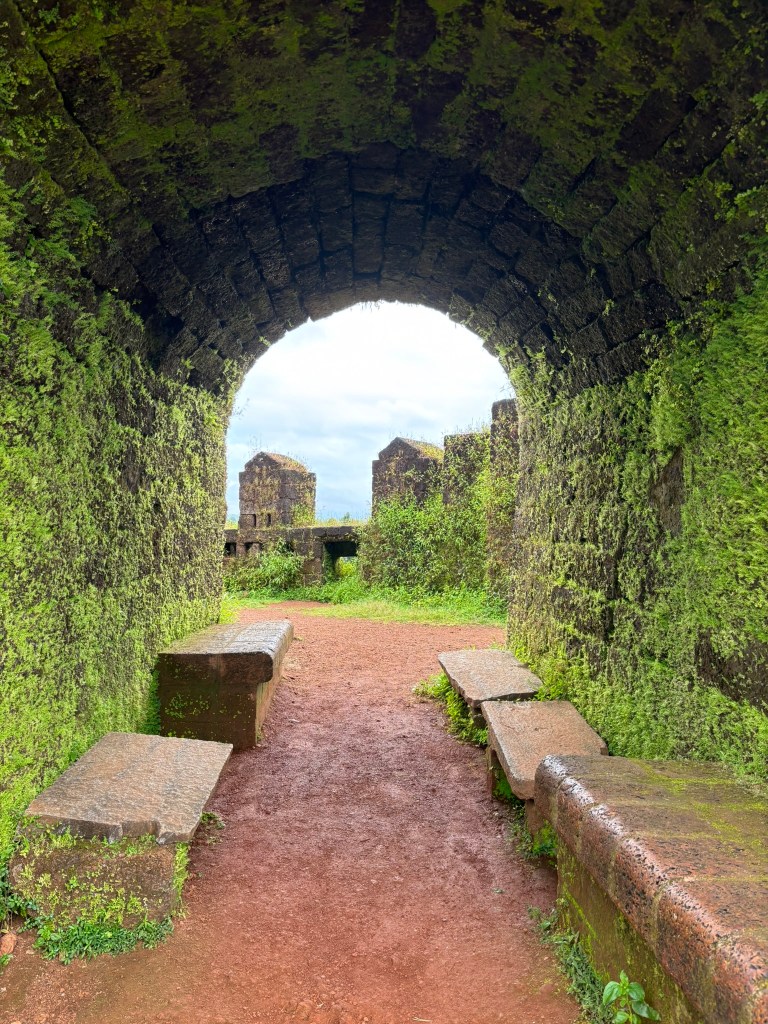
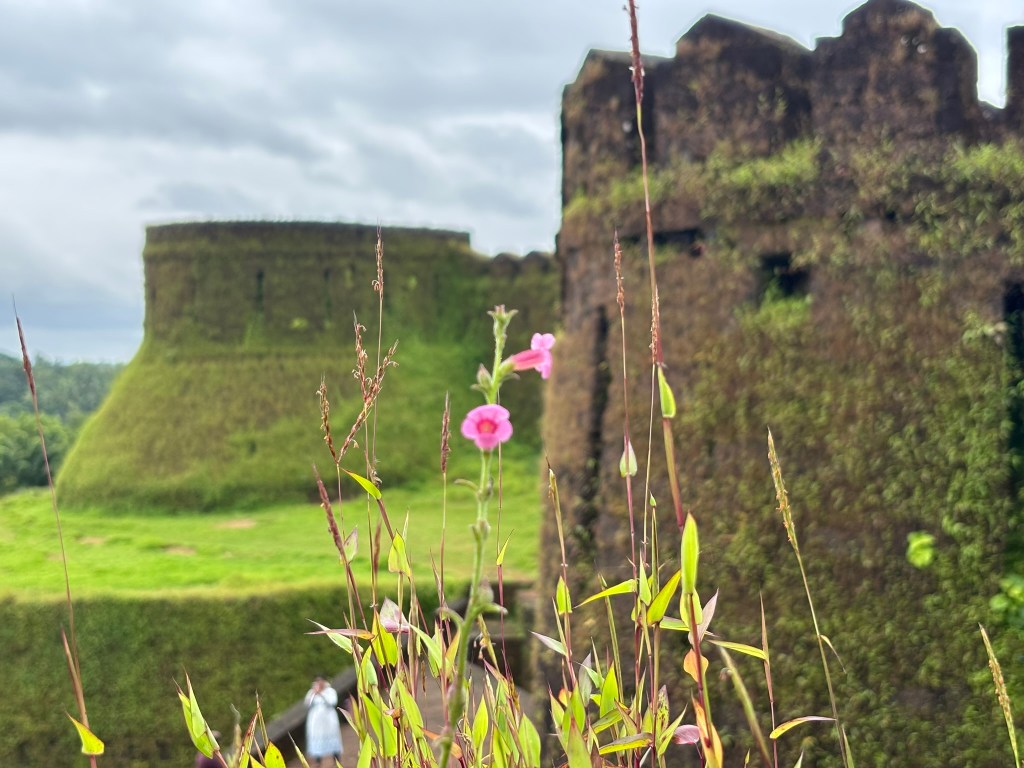
Along the coast of Karnataka, in the region of Uttara Kannada, along the wide, wide banks of the river Aghanashini lies the Mirjan Fort. It is, to use an overused cliche- one of the ‘hidden gems’ of the region. Situated among the lush and fertile plains of the rivers that criss-cross the coast, the fort is covered in moss and foliage, giving it an almost fairy-tale appearance.
But though Mirjan fort is said to be around 500 years old, there are conflicting versions as to who built it first.
One claim dates back to a thousand years ago- when the Arabian and Persian traders used to visit the west coast to trade in spices. Some of them settled in this region and were called the ‘Nawayaths’ or ‘newcomers’. Their numbers grew during the reign of the Bahamani kingdom and the Bijapur Sultanate. It is said that the Mirjan fort was built by one of the Bijapur nobles somewhere in 1200 AD.
Another account claims that this fort was then taken over by the Vijaynagara Empire. But when that empire too fell apart, the fort was taken over by the Bijapur Sultans. In 1510, Adil Shah of Bijapur was defeated by the Portuguese and to escape their religious persecution, many of the ‘nawayaths’ moved further down south and settled in this part of Karnataka. Later this fort was conquered by the Marathas and finally by the British (who else!)
Local lore however states that the fort was built in the early 1550s by Rani Chennabhairadevi – the Queen of Gersoppa (see map!) on the banks of the river Sharavathi. Her kingdom extended from the South of Goa all the way through Uttara and Dakshina Kannada up to Malabar. The cities in her kingdom were flourishing centres of trade, dealing mainly in spices. Rani Chennabhairadevi ruled her kingdom efficiently for more than half a century and has been compared in some respects to Queen Elizabeth the First, as they were contemporaries. She was called a ‘muttadi’ meaning statesman or diplomat.
Although confronted by the Portuguese on one side and rival kingdoms on the other, she shrewdly managed to avoid confrontations and forged business alliances with them. It was the Portuguese who gave her the title of ‘Raina de Pimenta’ or ‘Queen of Spices’. Her reign ended when the Keladi and Bilgi chiefs of the neighbouring kingdoms came together and defeated her forces in battle. She was captured and died in a prison in Keladi.
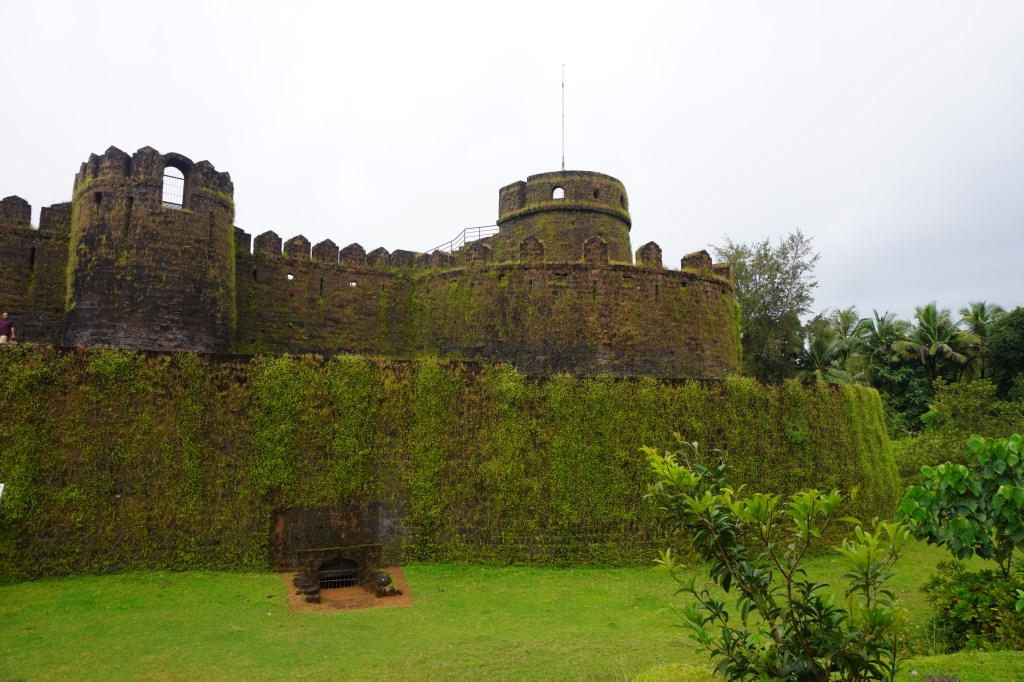
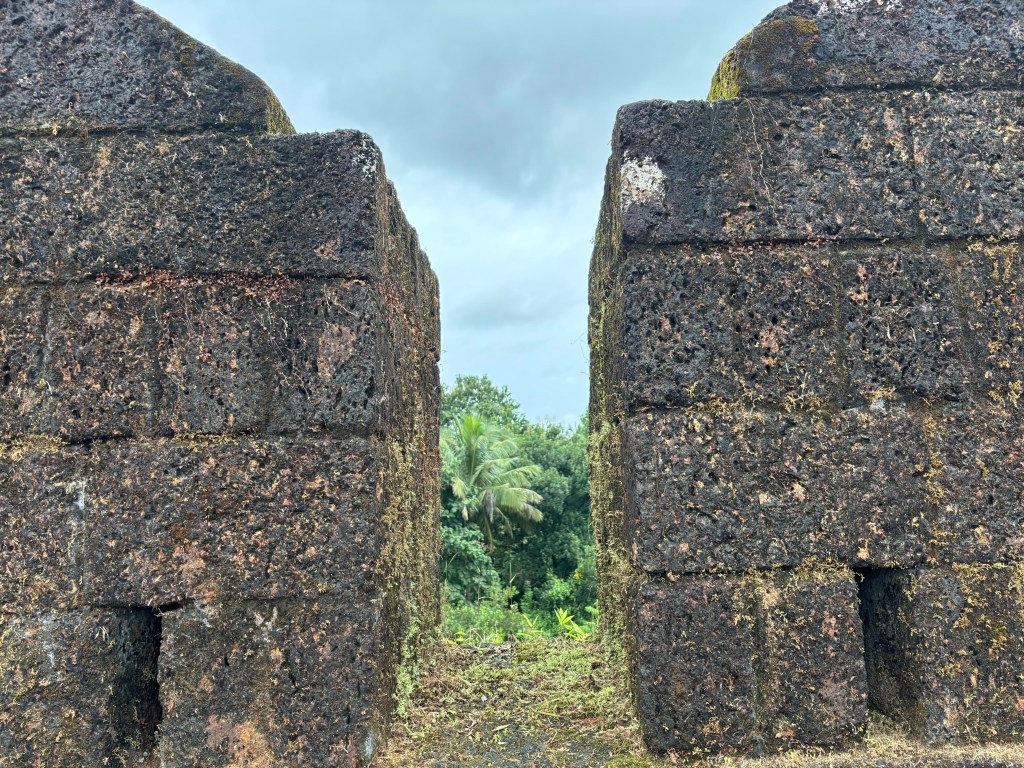
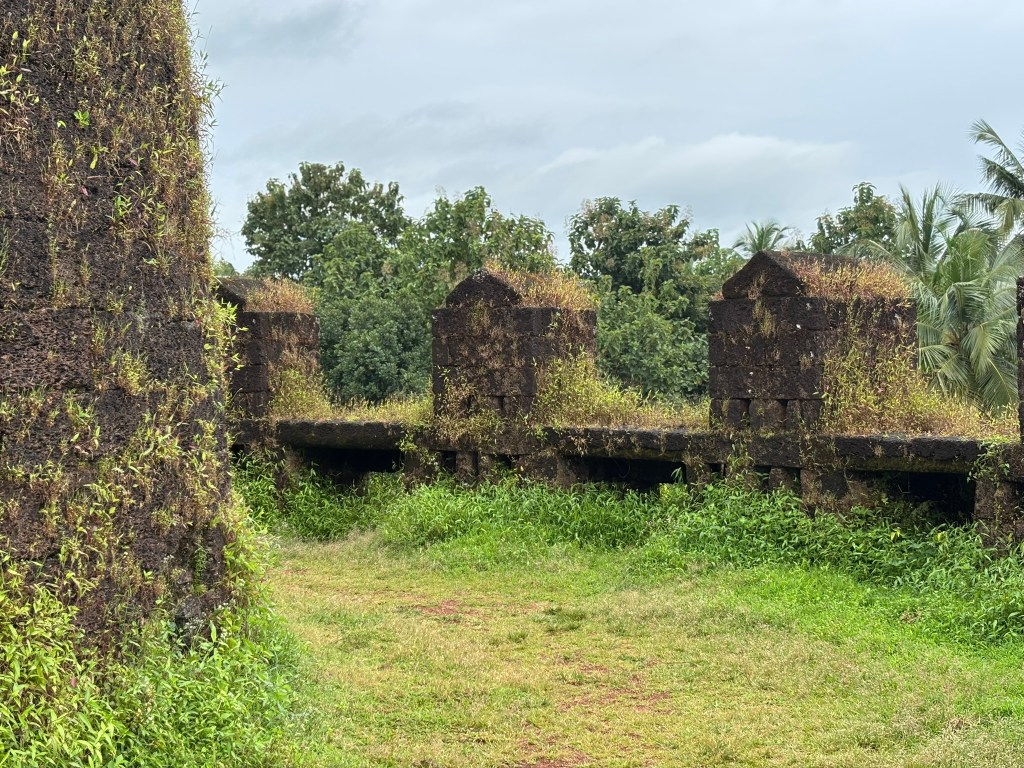
The fort itself is built over an area of 10 acres and has endured several conflicts and seiges during the course of its history. It has thick, impregnable walls which now look more picturesque than grim, as they are covered with velvety green moss. There are ramparts, watchtowers, bastions and underground tunnels (now covered up or sealed). There is one main entrance which is quite imposing and some other smaller exits.
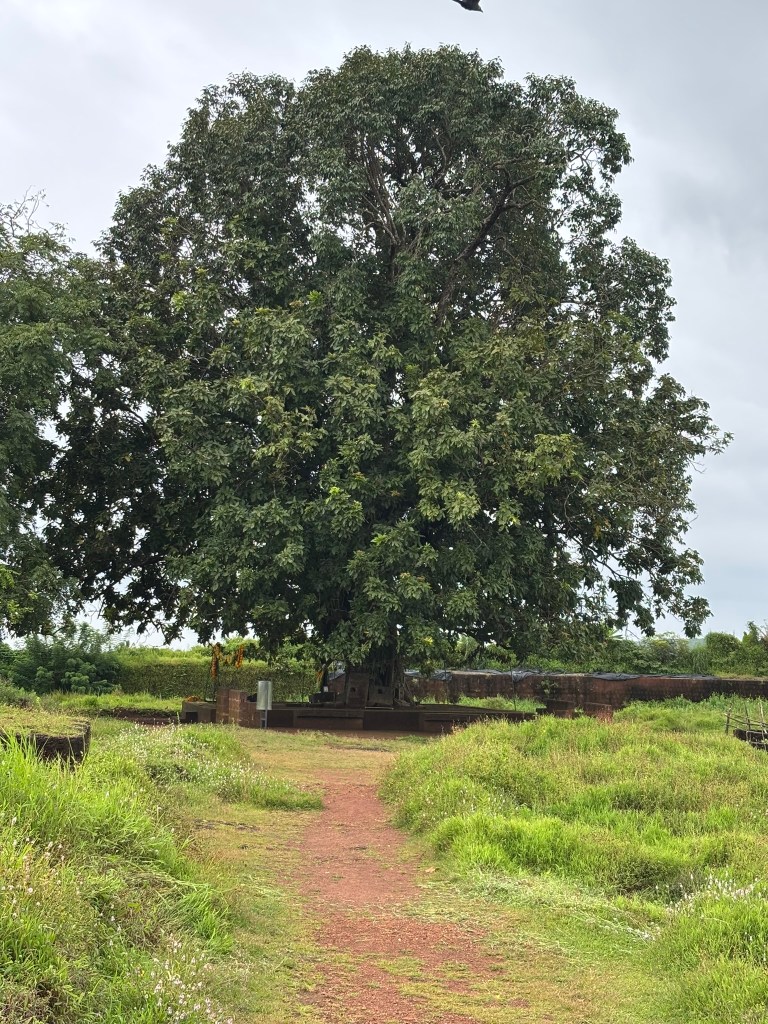
This magnificent tree still stands tall.
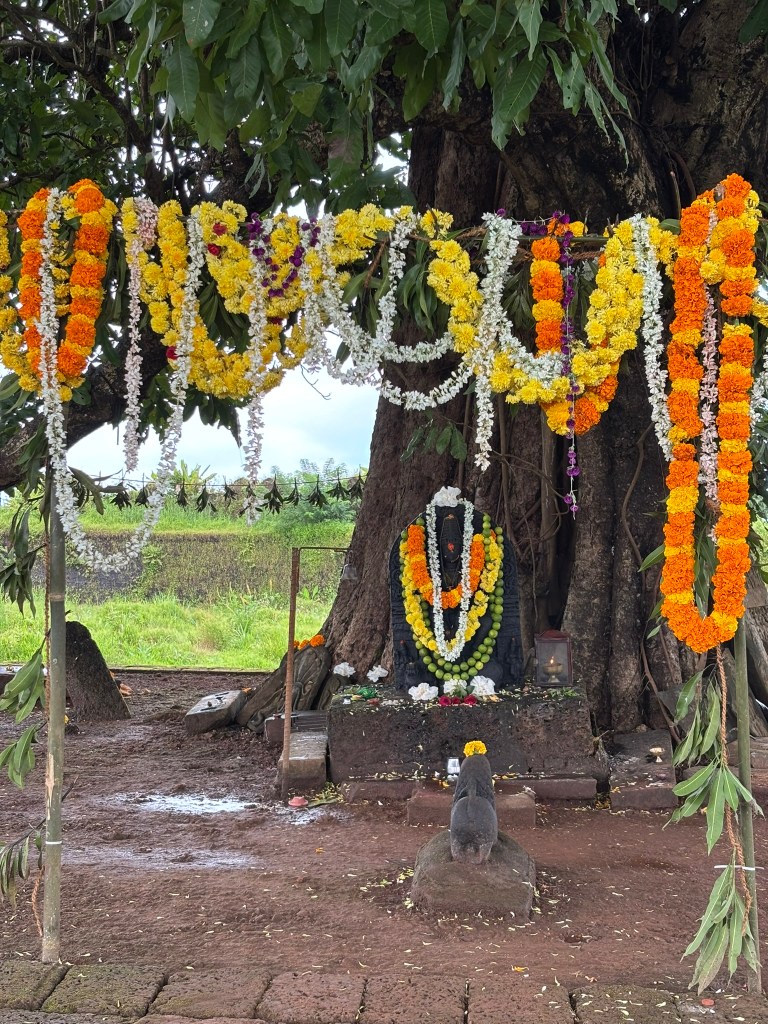
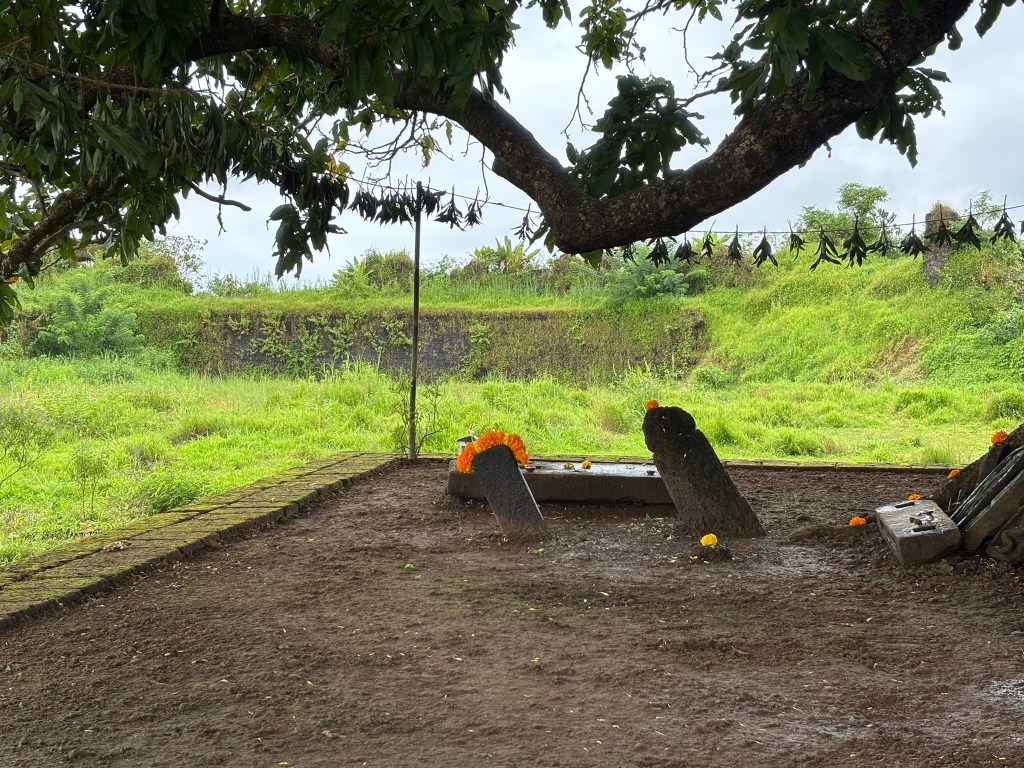
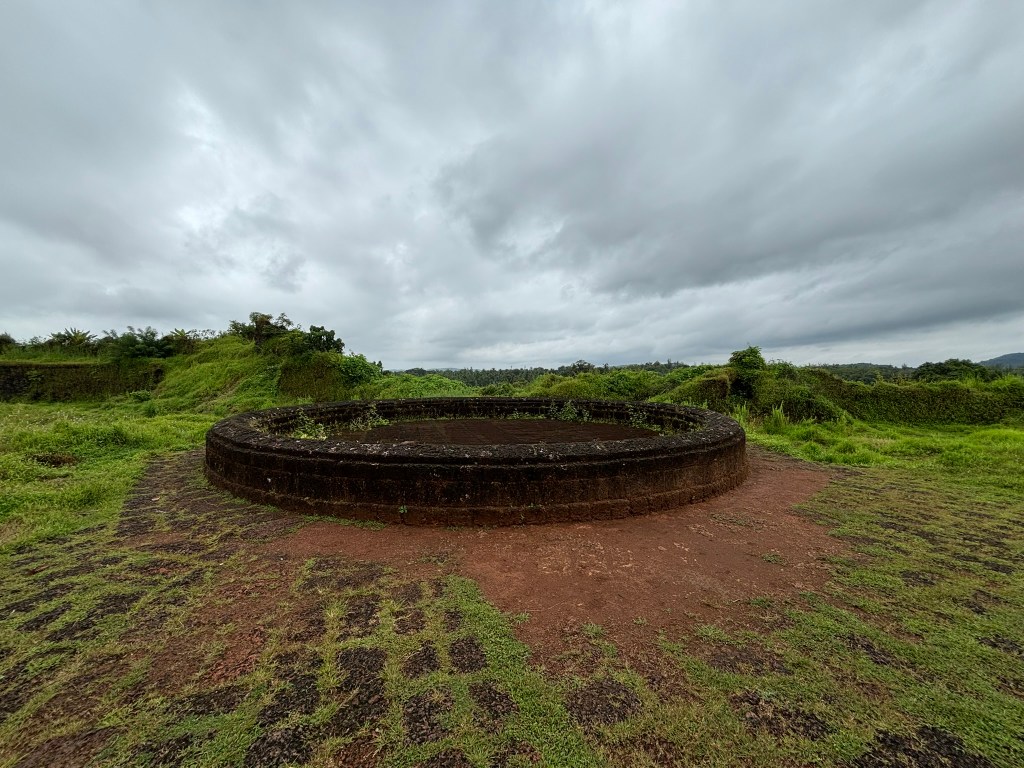
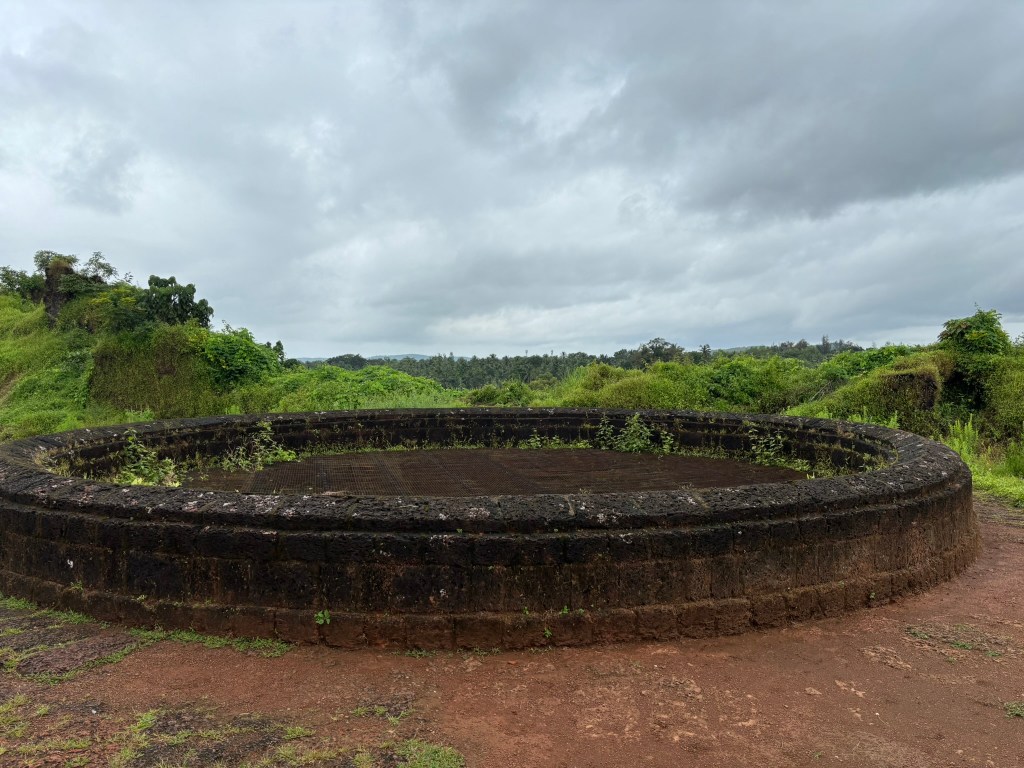
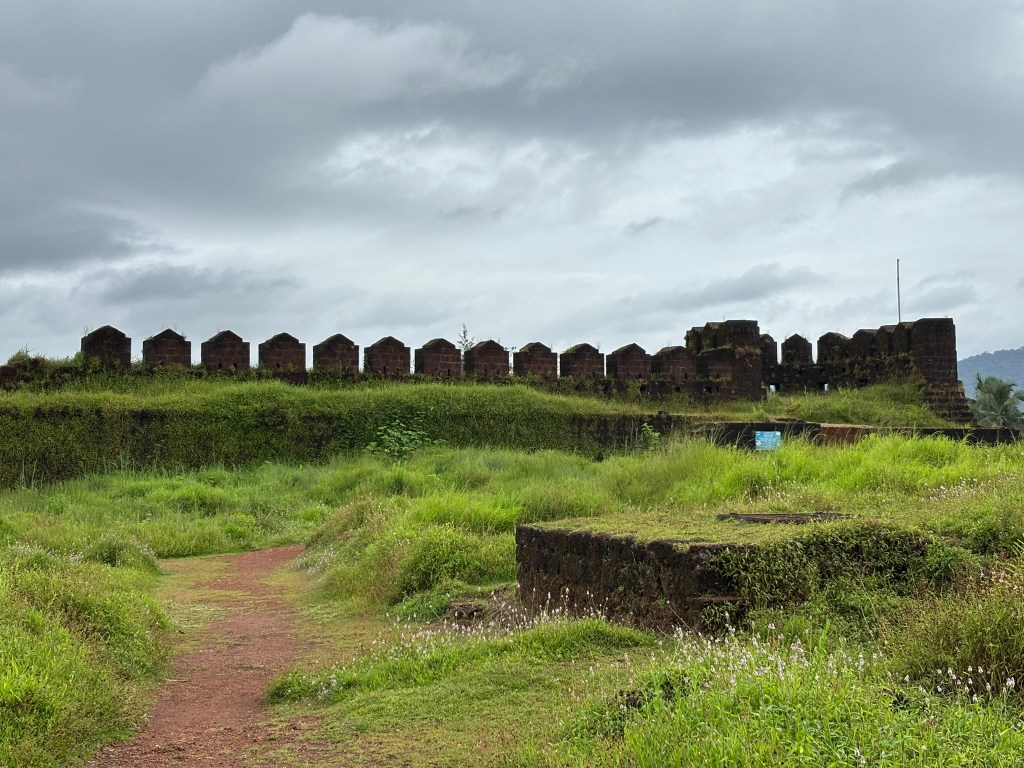
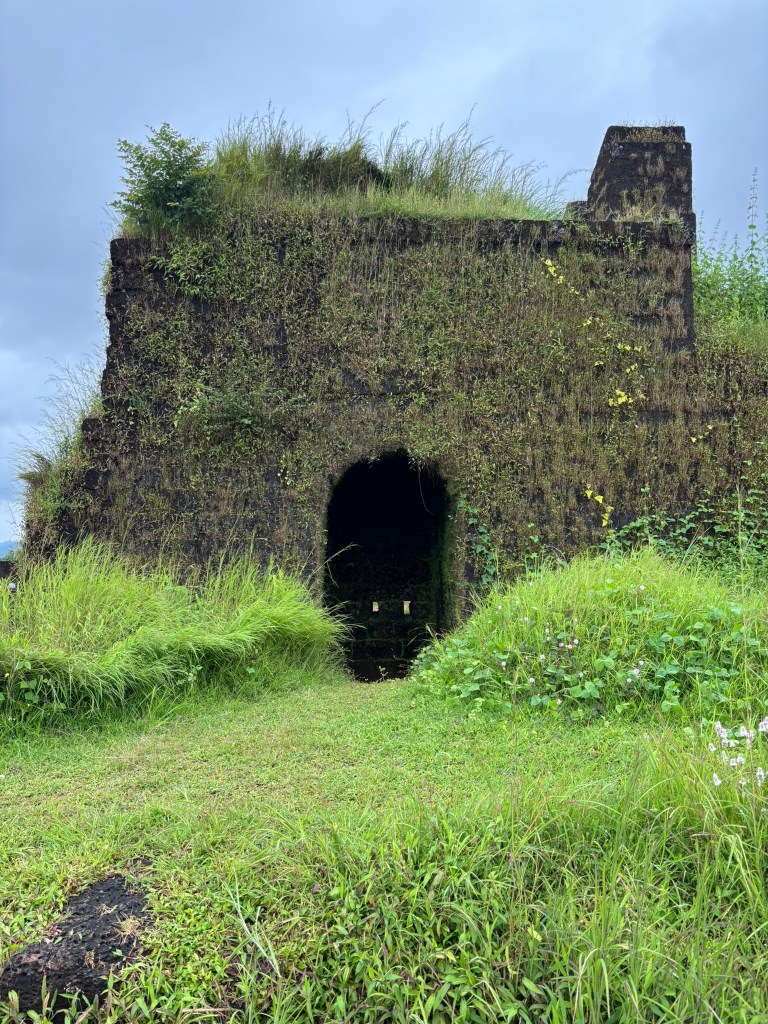
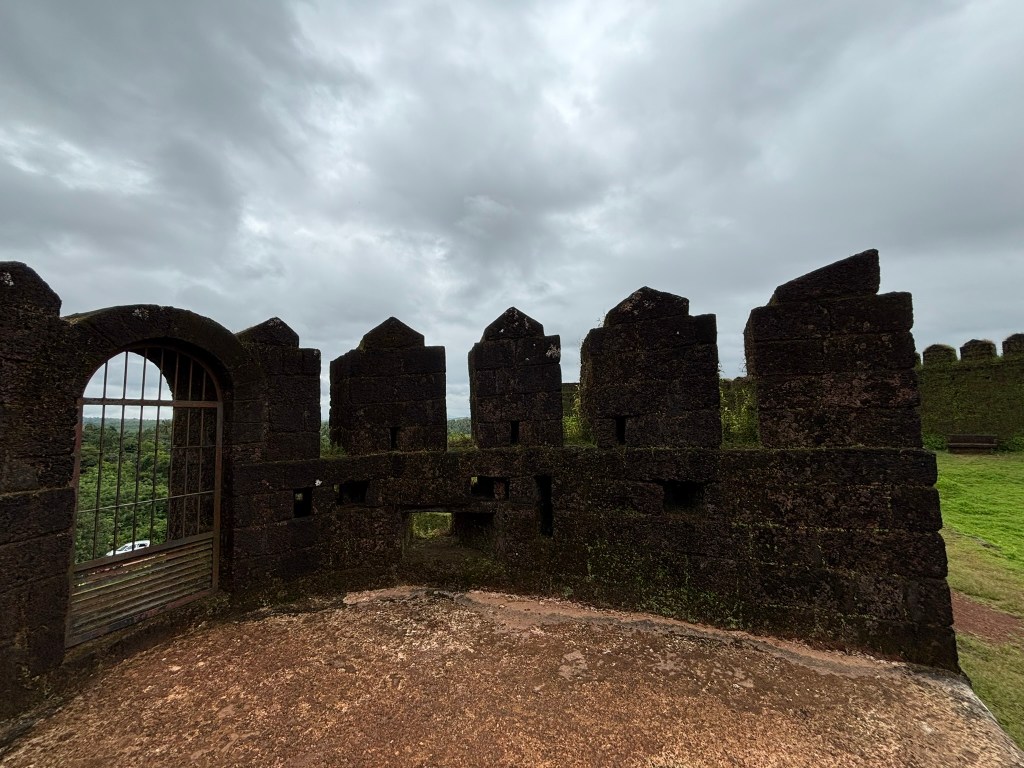
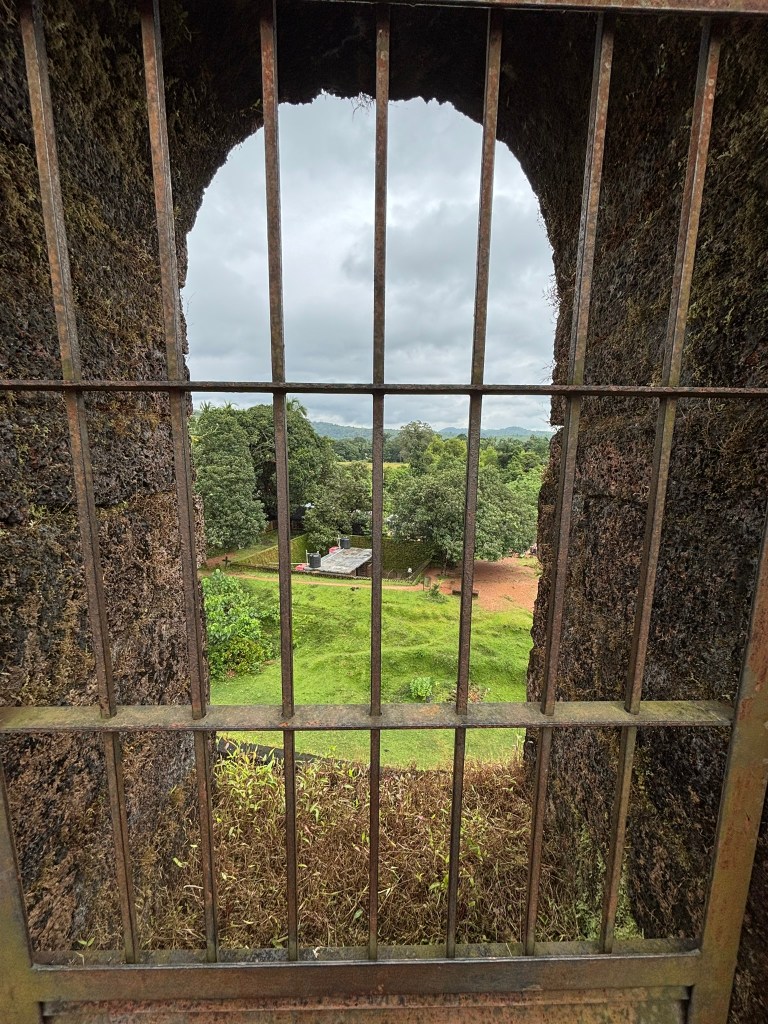
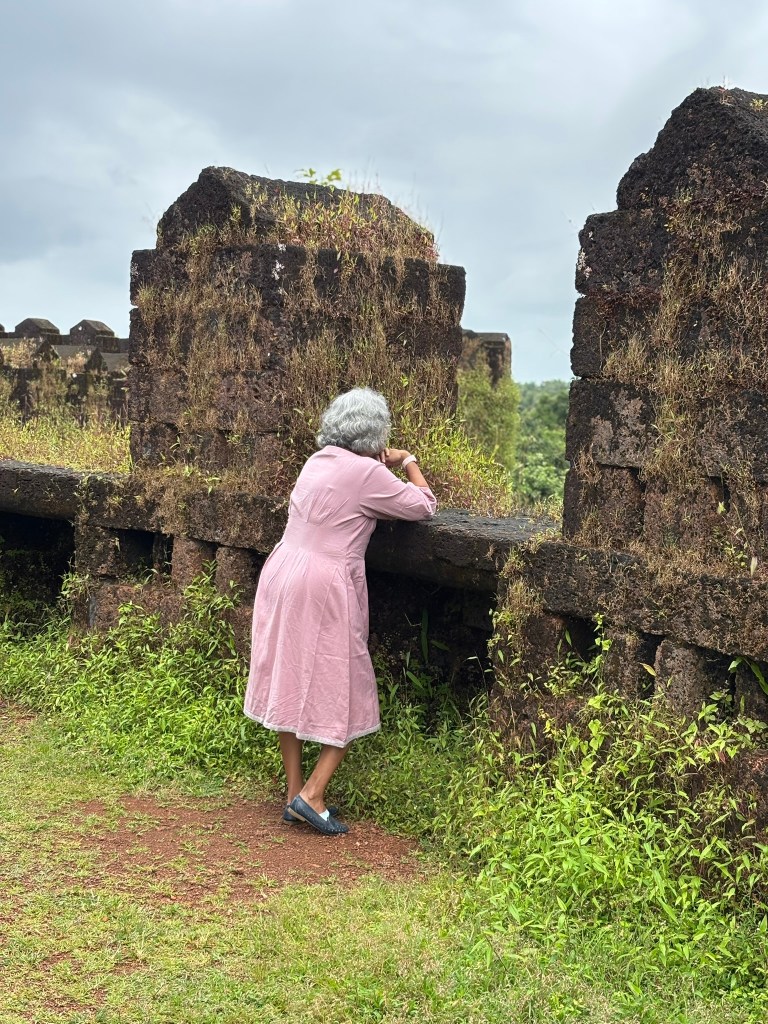
Although the fort has been declared a protected monument by the ASI, it is unfortunate that there is no information posted inside the fort. A casual visitor would probably not feel the lack of it, but for the history buffs there is nothing that tells the legacy of the fort or the events it has witnessed. The wells, the tunnels, the walls and the ruins- they keep their secrets.
 butterfliesonmymindblog