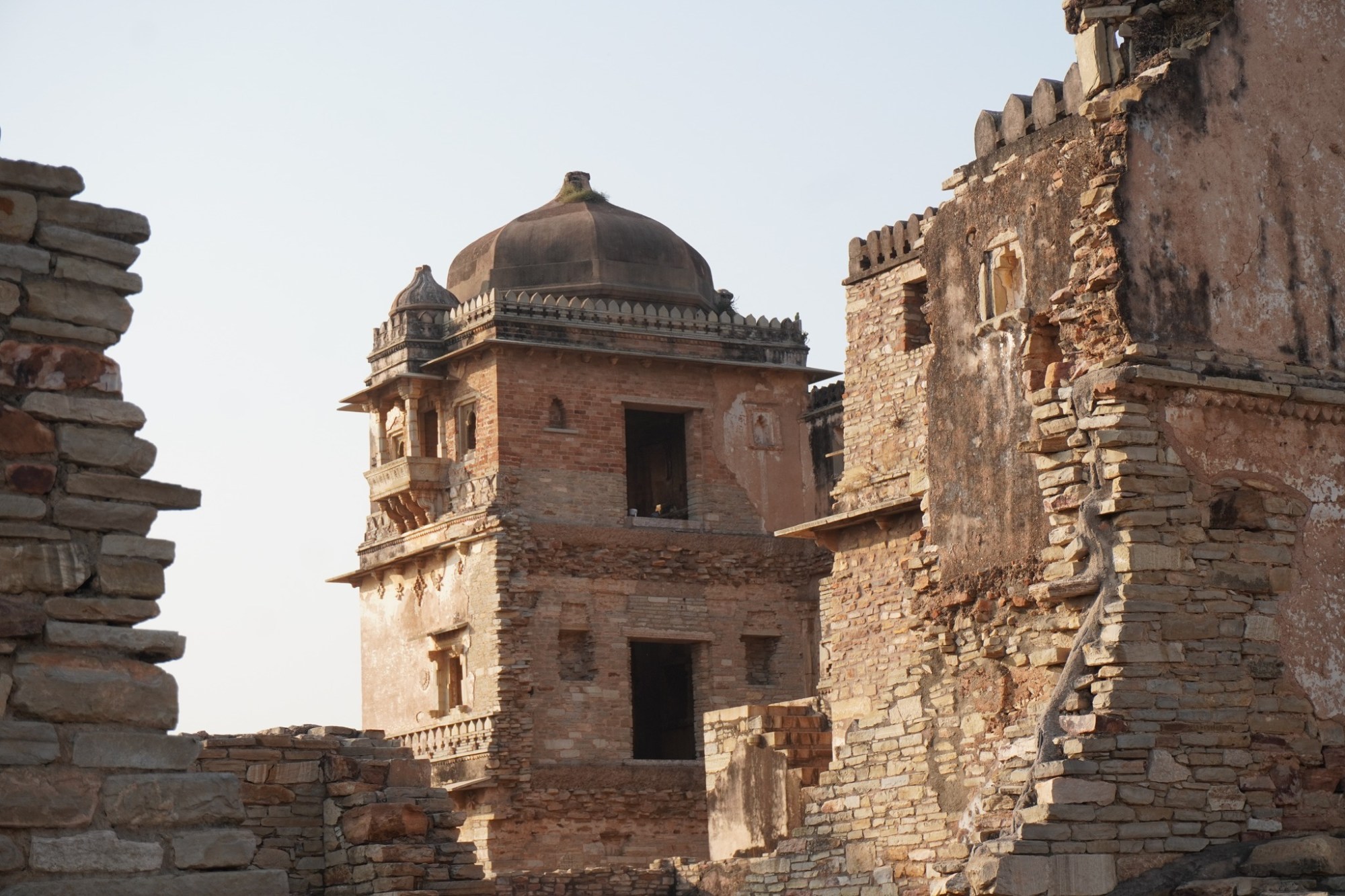
Chittor! Capital city of the Mewar kingdom for several centuries.
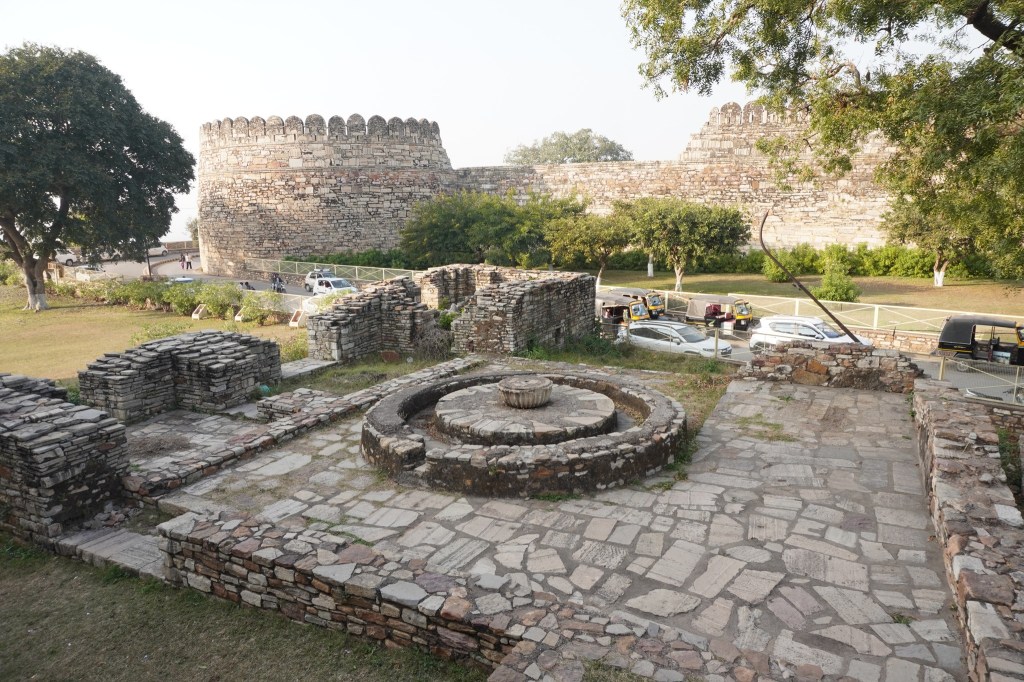
Chittorgarh- where myth, legend and history come together so seamlessly that it is difficult to know where one stops and the other begins.
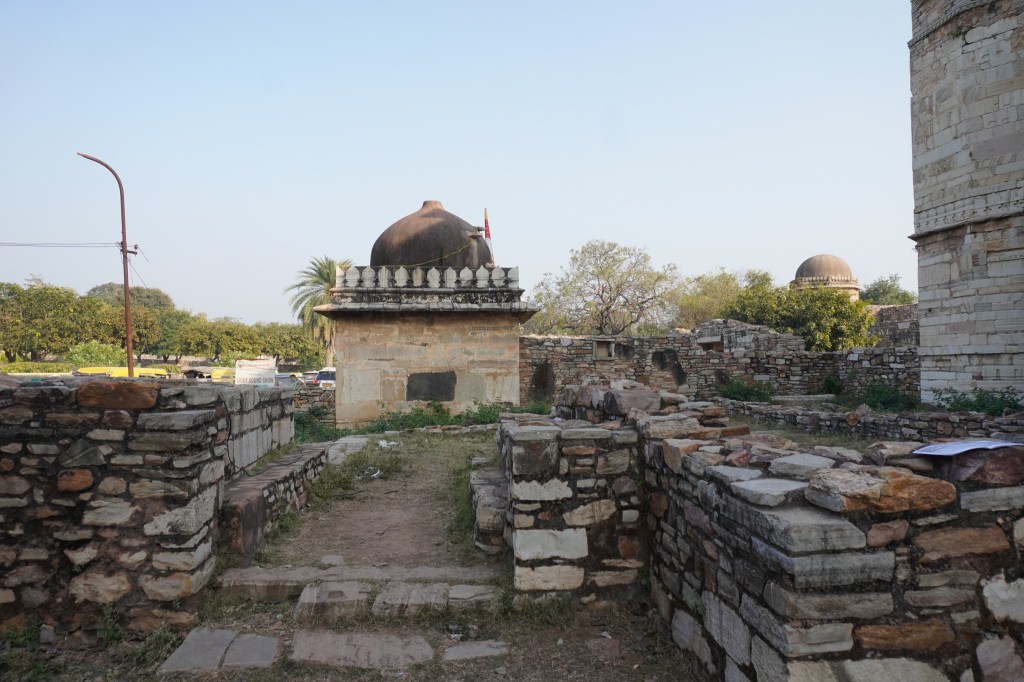
Chittorgarh- an imposing, awe-inspiring fort whose battle- scarred walls hold memories of epic battles, sieges, invasions, tragedies and triumphs.
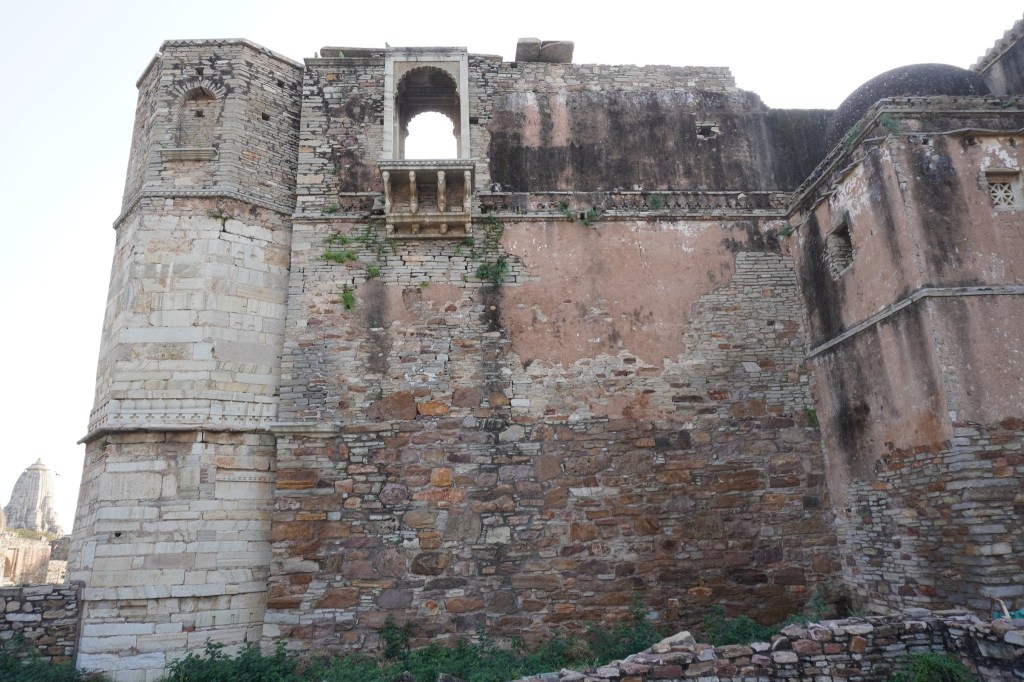
The largest fort in Rajasthan and among the largest in India, with a history that goes all the way back to the 7th or 8th century.
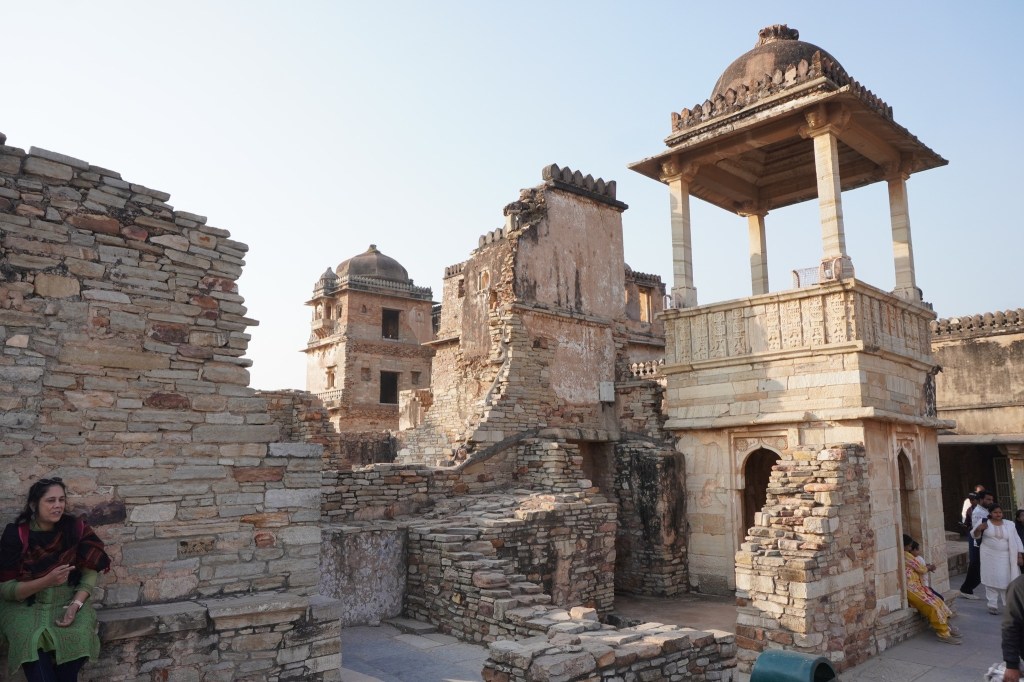
These ruins tell stories of characters like MeeraBai, Padmini, Ratan Singh, Udai Singh, Alauddin Khilji and Bahadur Shah.
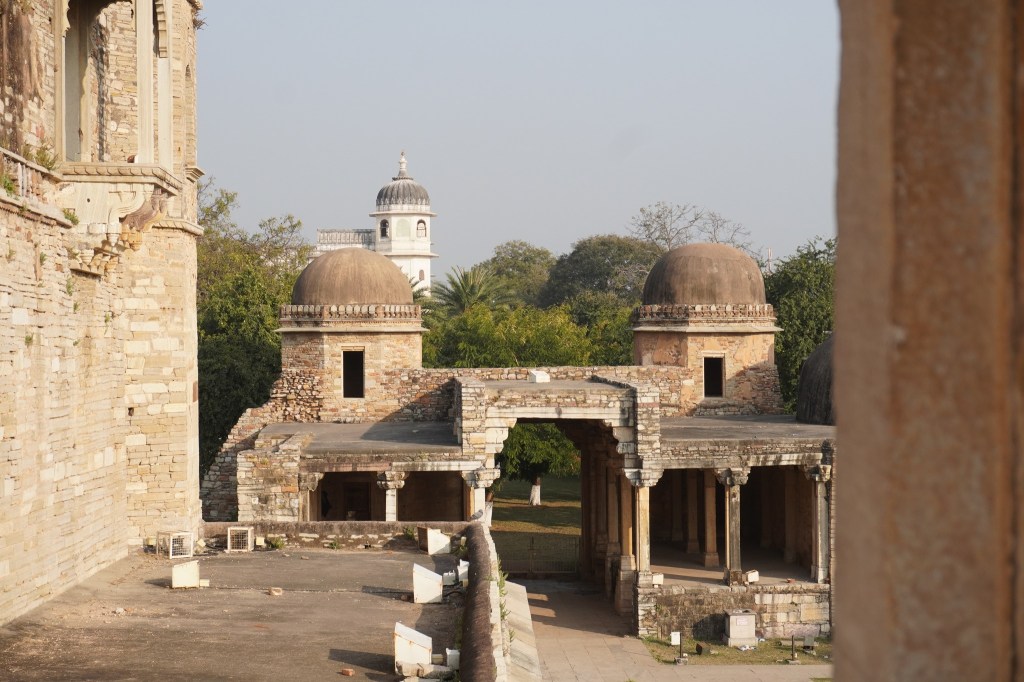
The entire fort takes up an area of 700 acres and it’s fish-shaped circumference is approximately 13 kms. Within its ramparts are towers, temples and palaces which were the residences of the rulers of Mewar.
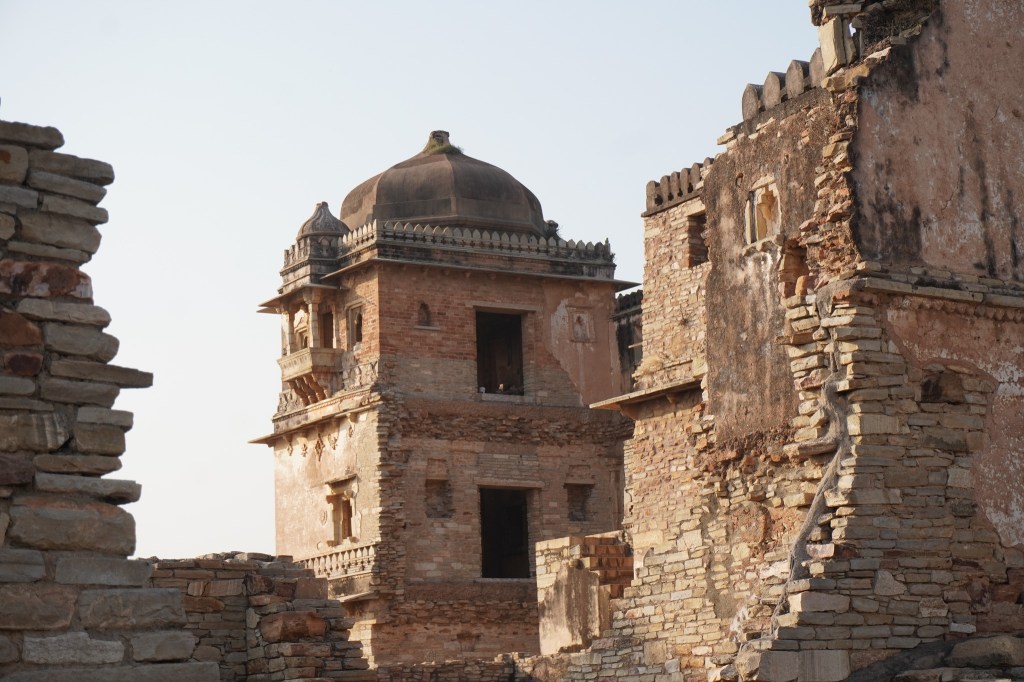
There are spaces where the rulers held court, where decisions were taken and battle strategies discussed and planned.
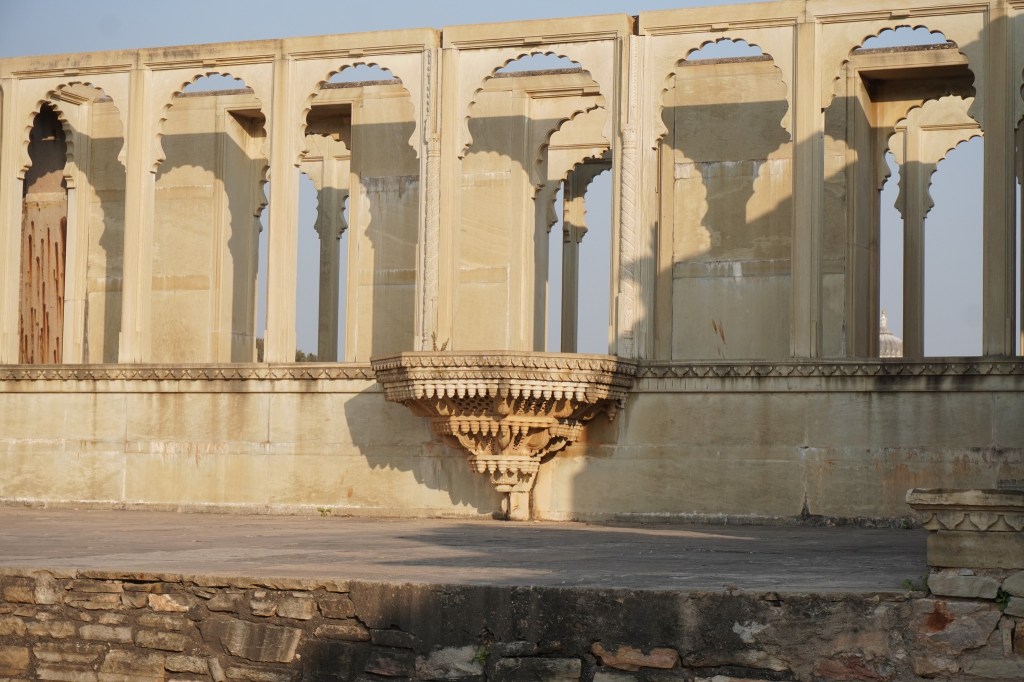
There are quarters for the attendants and servants of the royal families.
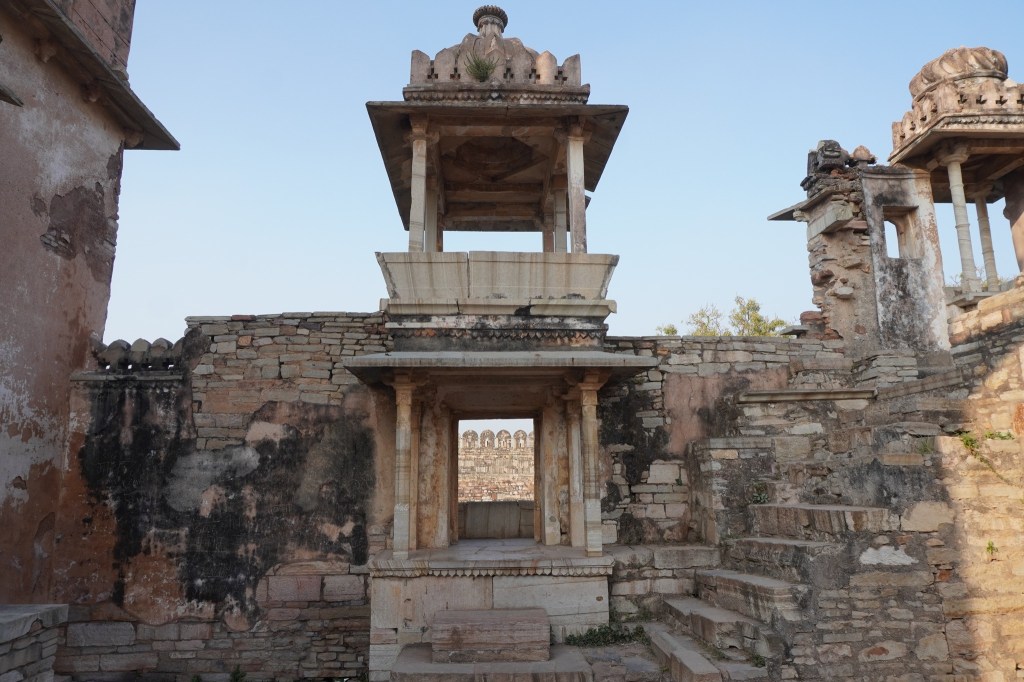
One can wander endlessly among these walls and imagine life in those days- where battle, intrigue, treachery and betrayal existed alongside valor, sacrifice and glory.
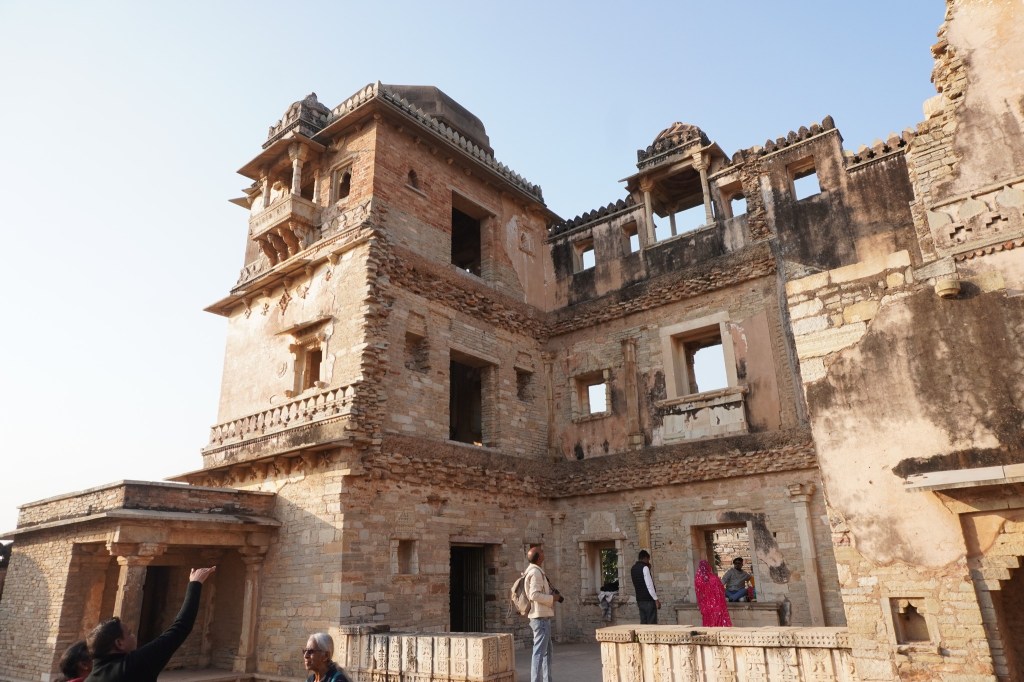
One can see the ramparts as they extend from one end to another and marvel at how the rulers of Mewar were able to defend their kingdom.
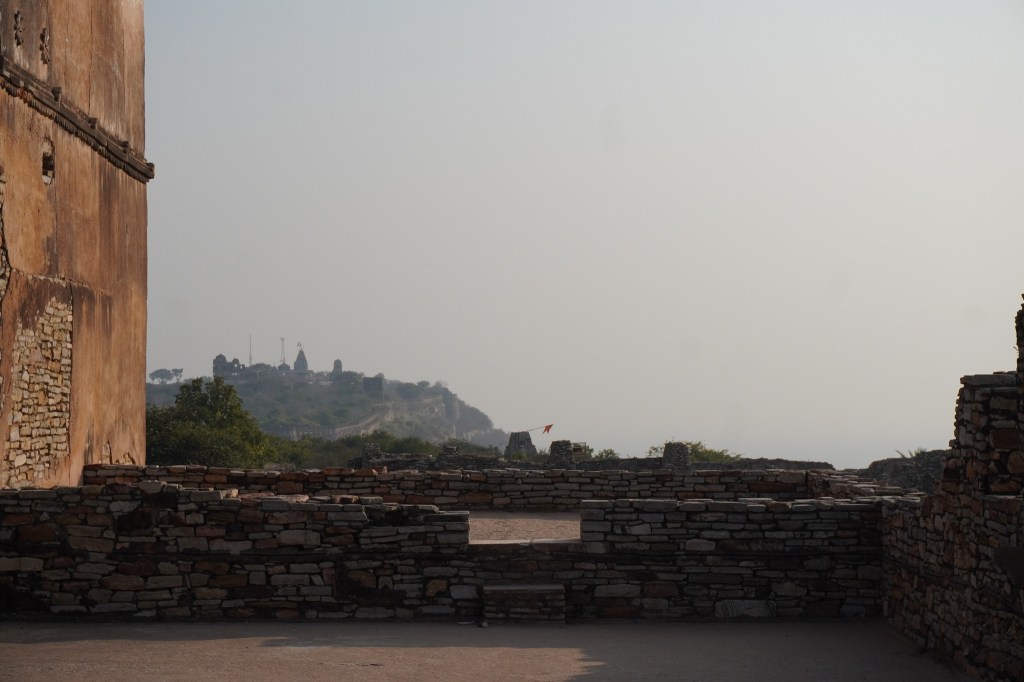
Strategically built at the top of a hill, the fort looks down at the city of Chittor, as it once must have stared down invading armies.
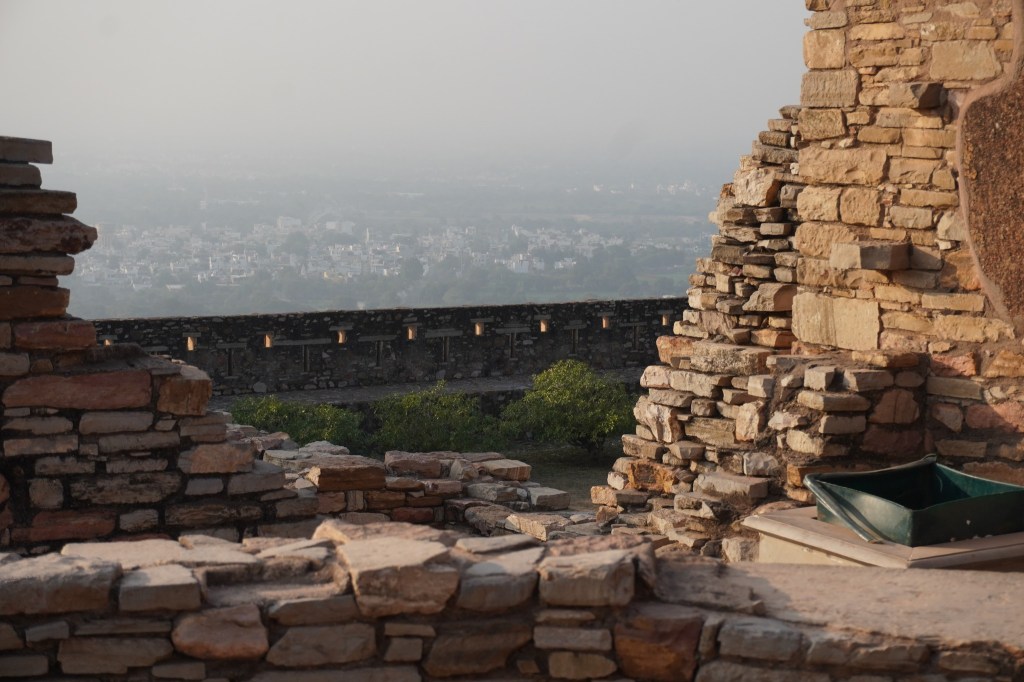
Chittorgarh withstood three sieges which were said to be followed by acts of ‘jauhar’ by the women residing within the fort. When Chittor finally fell to the Mughals, the then ruler made his descendants vow that they would not sleep on beds, nor live in palaces or eat off metal utensils till they had regained the fort.
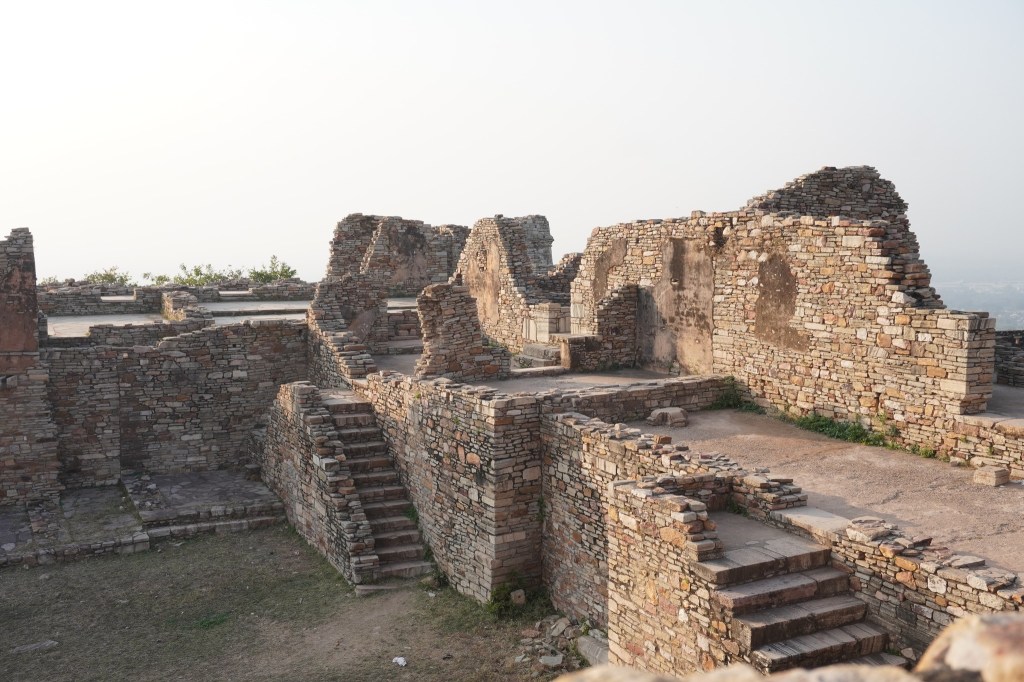
This unfortunately did not happen but till the 20th century, the rulers of Mewar would keep a leaf under their utensils and a reed mat under their beds as a symbol of upholding their vows.
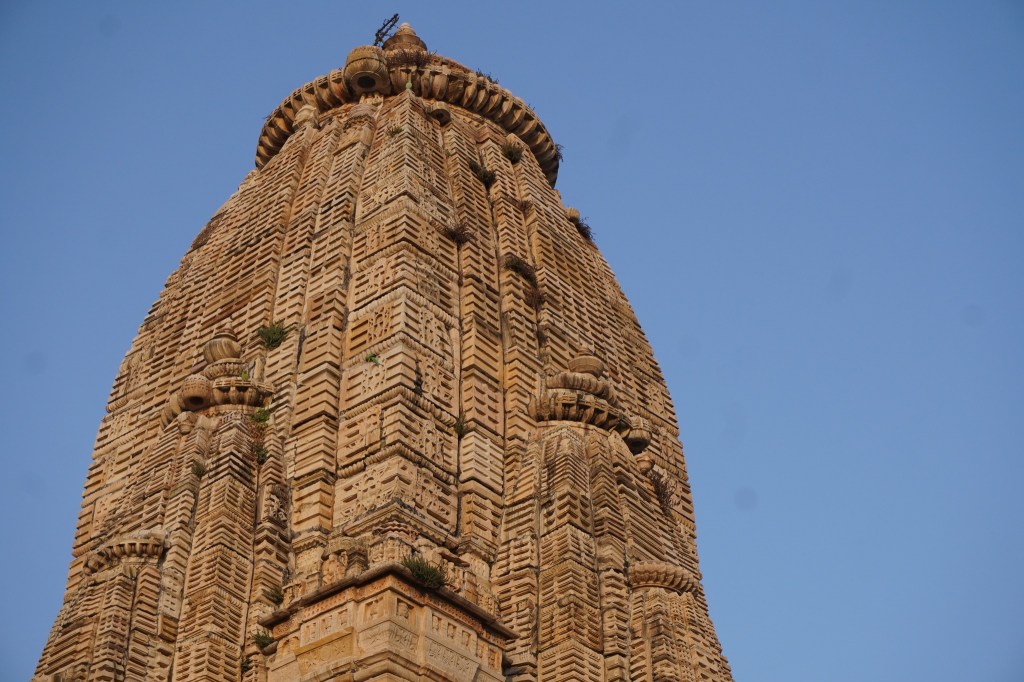
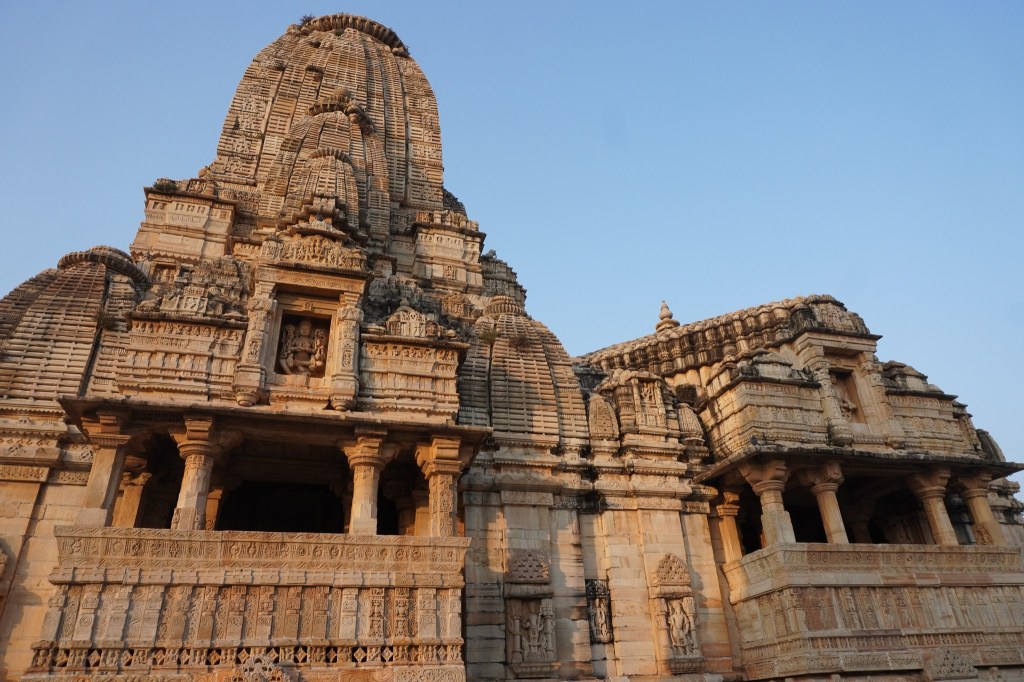
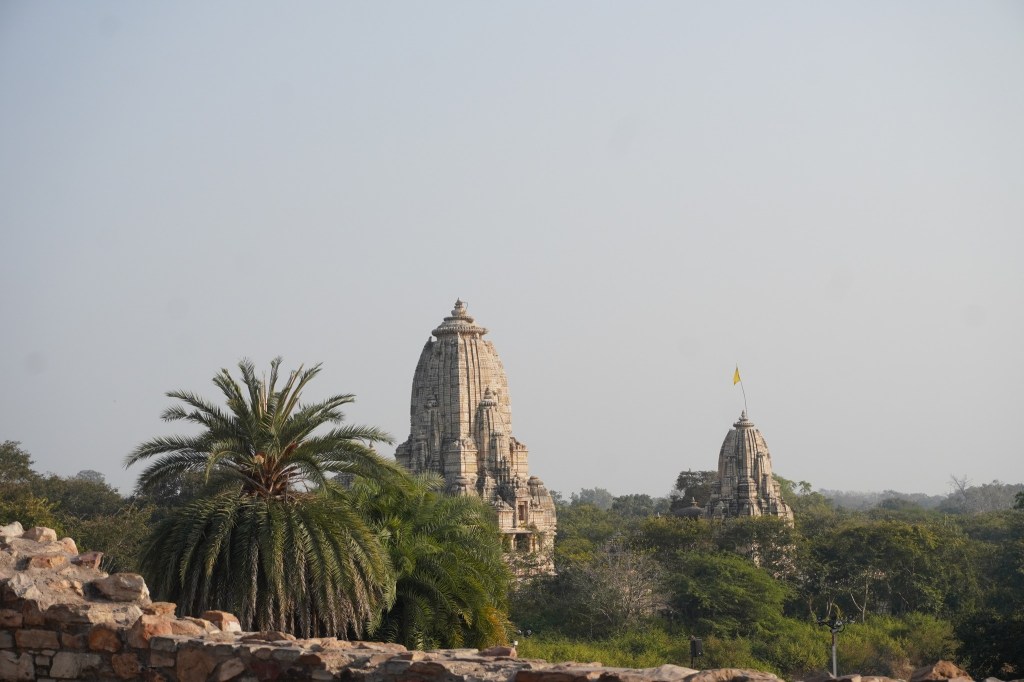
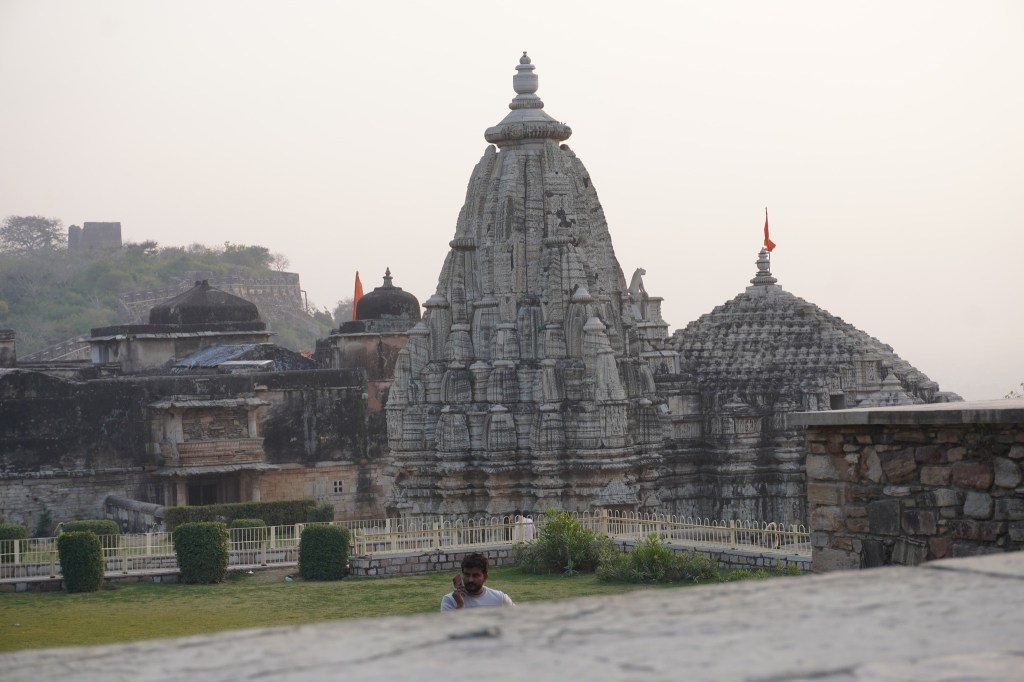
Within the walls of the fort are some beautiful temples with exquisite carvings and architecture.
There is also an impressive tower named ‘Vijay Stambh’ which was built in 1440 to mark the victory of Kumbha Singh over the ruler of Malwa. It reaches a height of 122 feet and has 9 storeys. Carvings in Arabic can be seen on the 8th storey which perhaps explain why the tower was left untouched during subsequent invasions.
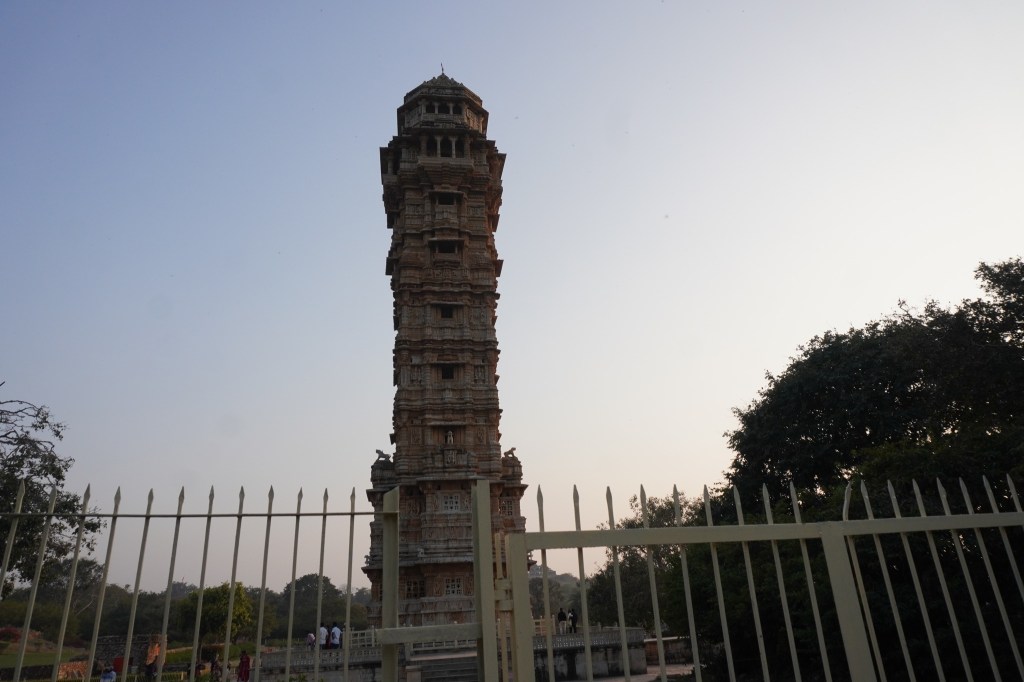
An imposing structure near the base of Vijay Stambh.
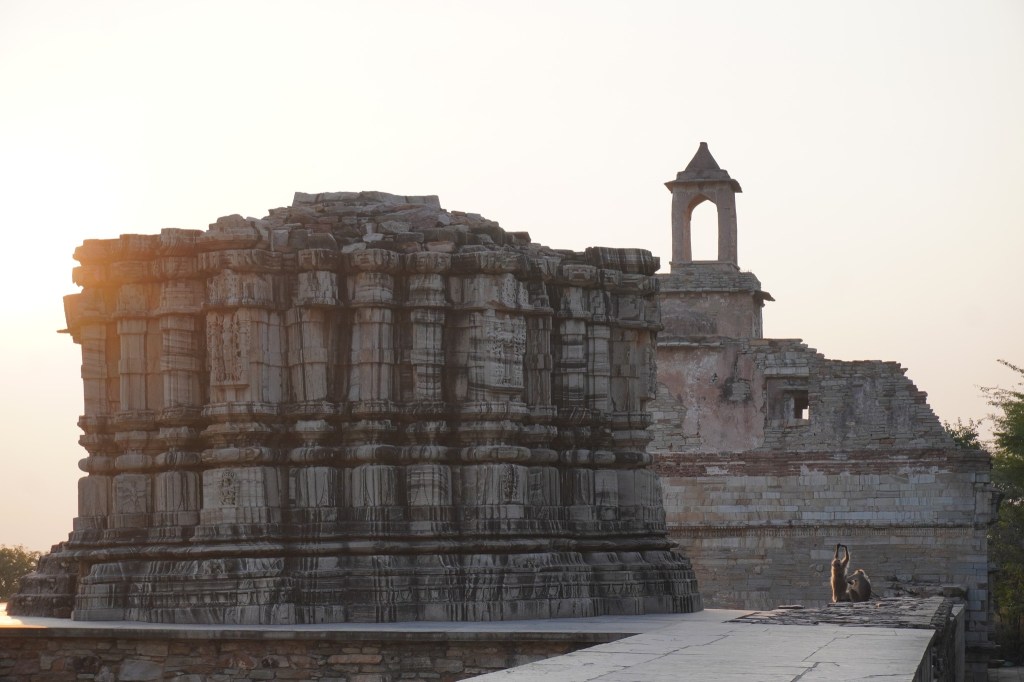
These temples seem to be lit up with the glow of the evening sun. The ‘golden hour’ at Chittor!
This is the site where the ‘jauhar’ is said to have taken place- thrice. Although there were crowds of people all around, the ground had an eerie calm or stillness about it. One can see the platforms which were used for the ‘jauhar’
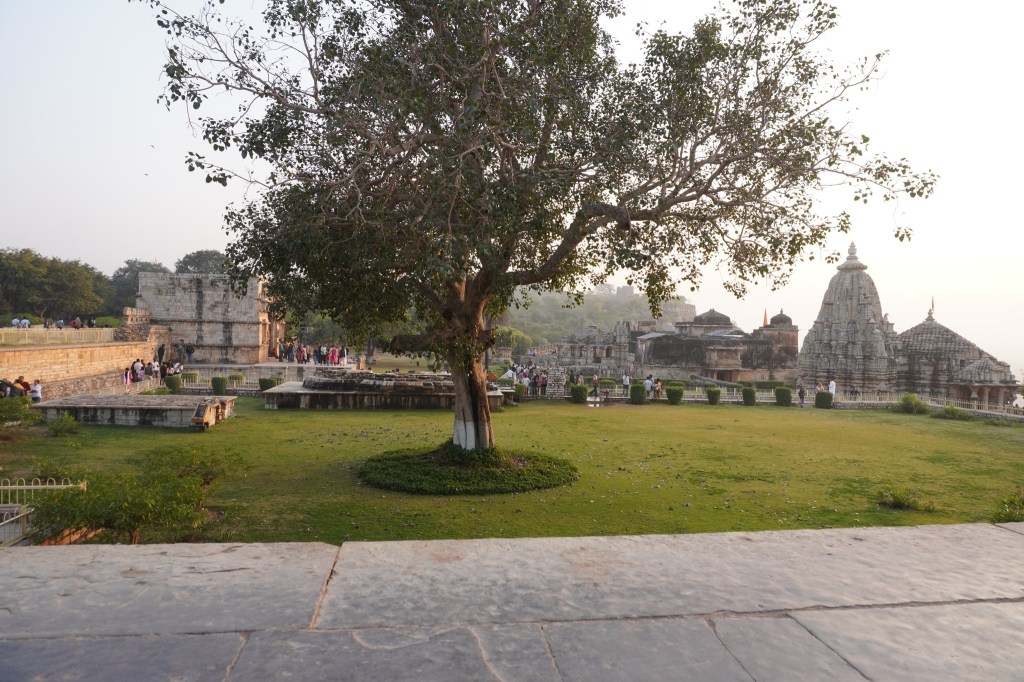
This being the main one.
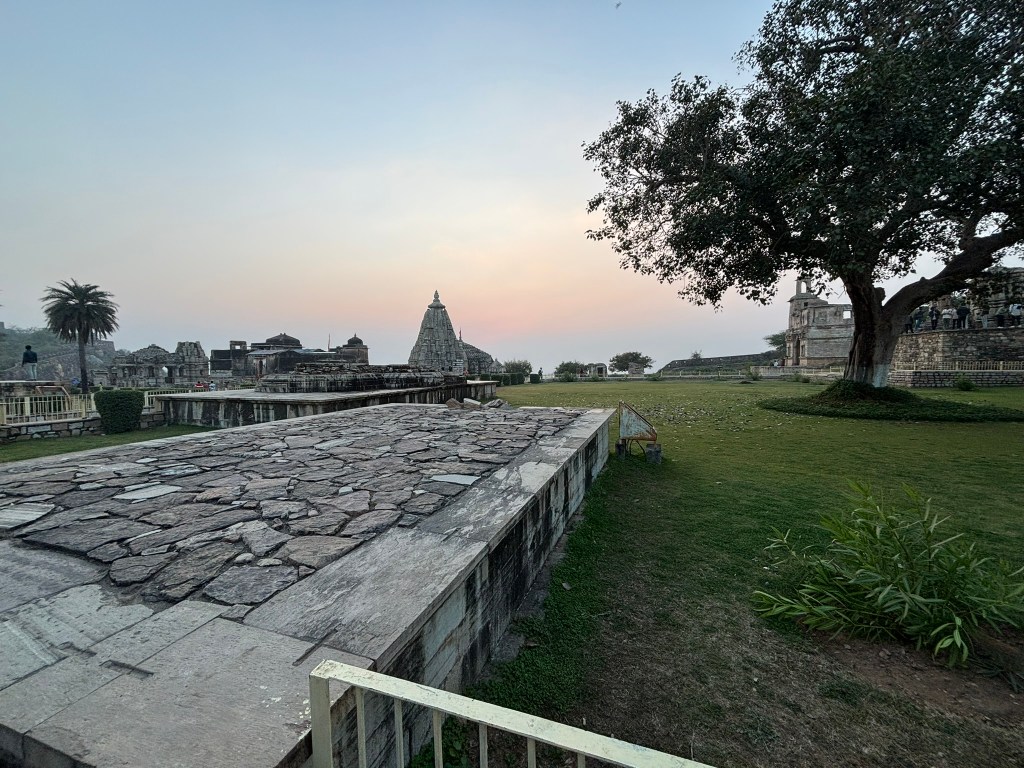
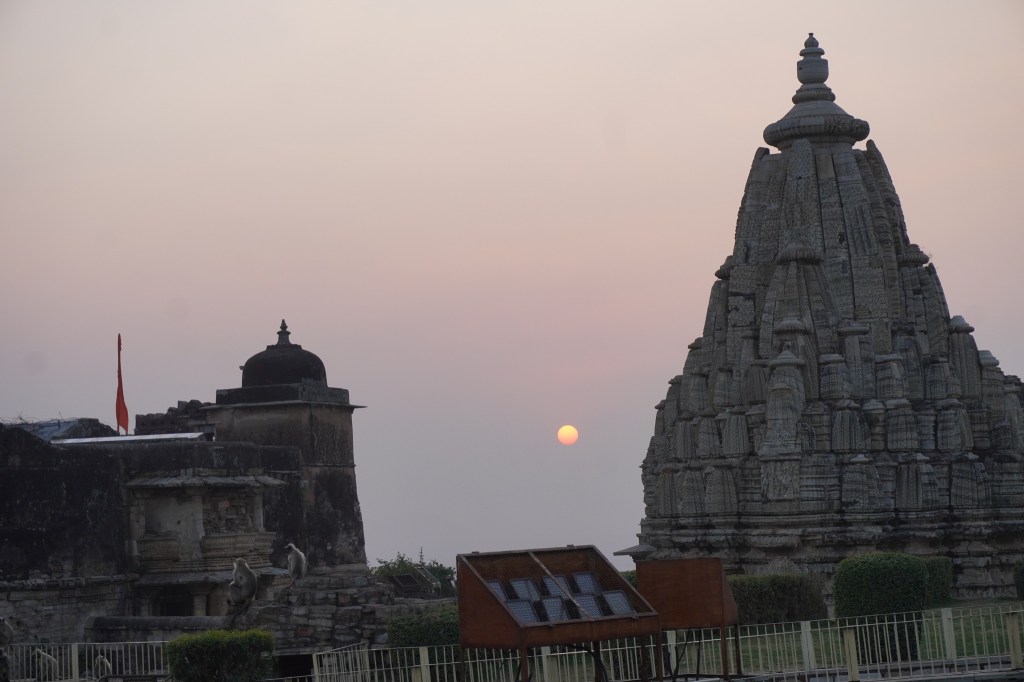
The sun was setting as we left the fort and the evening aarti could be heard from the nearby temples.
We stopped and turned to take a final look at the sun making its stately descent beyond the Aravallis.
On our way out we saw the palace of Rani Padmini as it stood in solitary isolation in the middle of the lake.
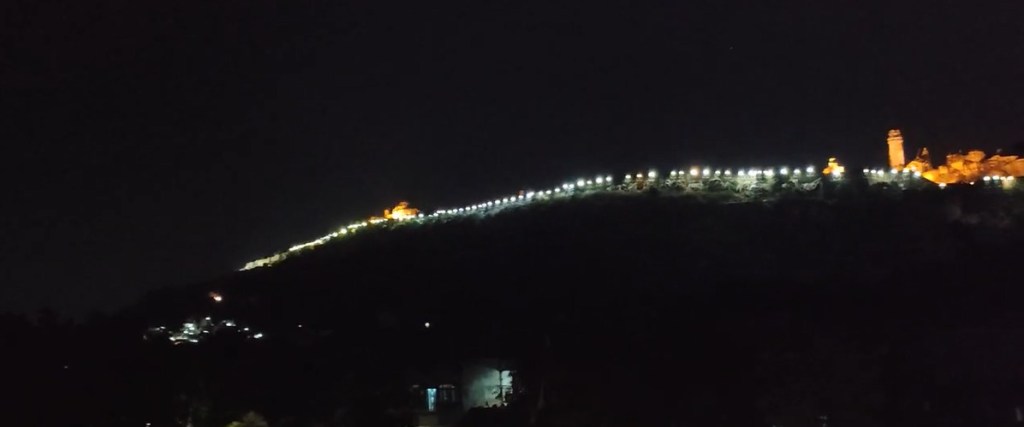
The sun had set as we drove down the winding roads that took us further and further away from the fort. We could see its massive ramparts all lit up, looming against the skyline, the Vijay Stambh standing proud and tall, as the fort too must have done, all those centuries ago.
 butterfliesonmymindblog